







abc alphabet cursive chart & manuscript poster
An abc alphabet cursive chart & manuscript poster gives your little one a visible reference for both print and cursive letterforms. The right display makes it easier to check a letter’s shape while practicing, instead of relying on memory alone. I’m Andrea Schiffer, founder of Dancina, and I recommend choosing a chart that is clear from the place your little one will use it.
Key Takeaways
- A wall chart showing both print and cursive letters gives your little one a quick way to check letter shapes while practicing.
- Visible reference materials reduce the need to guess letterforms from memory during handwriting sessions.
- Placement matters, so pick a spot where the poster stays easy to see from your child's practice area.
- Pairing a chart with regular practice sheets helps connect what your little one sees with what she writes.
Choose a combined chart if your little one is learning how manuscript letters relate to cursive. Look for clear formation cues, readable size, and a surface suited to your space. For a no-cost printable reference, the FREE DOWNLOAD: Cursive Alphabet Wall Chart. Printable A-Z Reference Poster is an option to print at home.
What a Cursive Chart & Manuscript Poster Actually Is (And Why One Wall Reference Helps)
A cursive chart shows letters in joined handwriting, while a manuscript poster displays the separate, print-style forms children often learn first. A combined display places both alphabets where your little one can look from one style to the other. Many sets use two posters, often around 18 x 24 inches each, with lamination to help the pages hold up to regular classroom or home use. Check the actual dimensions before choosing, since poster sizes can vary.
Keeping both forms in view can help your little one connect a familiar manuscript letter with its cursive counterpart. The chart is a reference, not a substitute for writing practice. In a classroom, it can give students a shared place to check letter shapes. During homeschool lessons or home learning, it can help a child return to the same visual example while working at a desk or table. A cursive reference may be useful even when instruction varies by state; more than 20 states mandate cursive instruction, according to recent legislative sessions cited in the research brief.
How to Choose a Great Chart: A Feature Checklist and Format Comparison

A useful alphabet chart should be easy to read and helpful during actual writing practice. Before buying or printing, consider where it will hang, how far away your little one will sit, and whether the letter examples show how each form is made. Clear reference and repeated practice can support letter recall and writing fluency in the early grades.
- Look for formation arrows. Direction cues can show where a stroke begins and how it moves.
- Check for three-line guides. These help show letter height and placement on a writing line.
- Consider the finish. A matte surface may be easier to view under bright room lights than a glossy one.
- Review lamination and size. If selecting a laminated chart, check whether the listing specifies 3 MIL lamination. Choose dimensions that remain legible from your child’s usual seat.
| Format | Works well for | Check before choosing |
|---|---|---|
| Laminated poster | Frequent use in a classroom or learning area | Dimensions, glare, and stated lamination thickness |
| Printable PDF chart | Home printing and flexible placement | Print quality, paper weight, and whether you can protect the page |
| Personalized poster | A named learning space or a thoughtful gift | Personalization details, size, and letter legibility |
For a printable reference, the FREE DOWNLOAD: Cursive Alphabet Wall Chart. Printable A-Z Reference Poster lets you choose your paper and print size. A laminated display may suit a shared space with frequent handling; a PDF may fit a small budget or a changing setup. In either case, prioritize legible examples over decoration.
Turn Your Wall Chart Into a 5-Minute Daily Handwriting Routine
I recommend using a wall chart as an active reference, not just decoration. The FREE DOWNLOAD: Cursive Alphabet Wall Chart. Printable A-Z Reference Poster gives your little one a place to check cursive letterforms during practice. You can print it and hang it near the table or desk where writing happens. A short routine can pair looking, tracing, and writing, with time to repeat a letter on another day as skills slowly build.
- Choose one letter, about one minute. Ask your little one to find the letter on the chart and notice its shape. Point out where the stroke begins and how it moves, following the example shown.
- Trace a model, about one minute. Use the individual lowercase and uppercase cursive letter practice sheets for a focused warm-up. Trace the selected form slowly, then look back at the wall chart to compare the shape.
- Write on guided lines, about two minutes. Practice the same letter on printable 3-line practice paper. The lines give your little one a clear space to attend to letter height and placement. Invite a few careful attempts rather than filling the page.
- Review, about one minute. Compare one written letter with the chart. Notice one detail your little one matched, such as the letter’s curve or its position on the line. Return to the same letter later before adding another.
For a reusable visual reference, the FREE DOWNLOAD: Cursive Alphabet Wall Chart. Printable A-Z Reference Poster can stay beside the practice area. Individual letter sheets and printable 3-line paper provide places to trace and write, while the Magic Grooved Workbook can be another practice pairing. Keep the focus on one letter at a time. Letter-formation reference combined with repeated practice supports letter recall and writing fluency in the early grades, so a steady, brief routine can help your little one revisit familiar forms while gradually building writing habits.
Personalized Cursive Posters as Keepsake Gifts (Plus Your Chart Questions Answered)
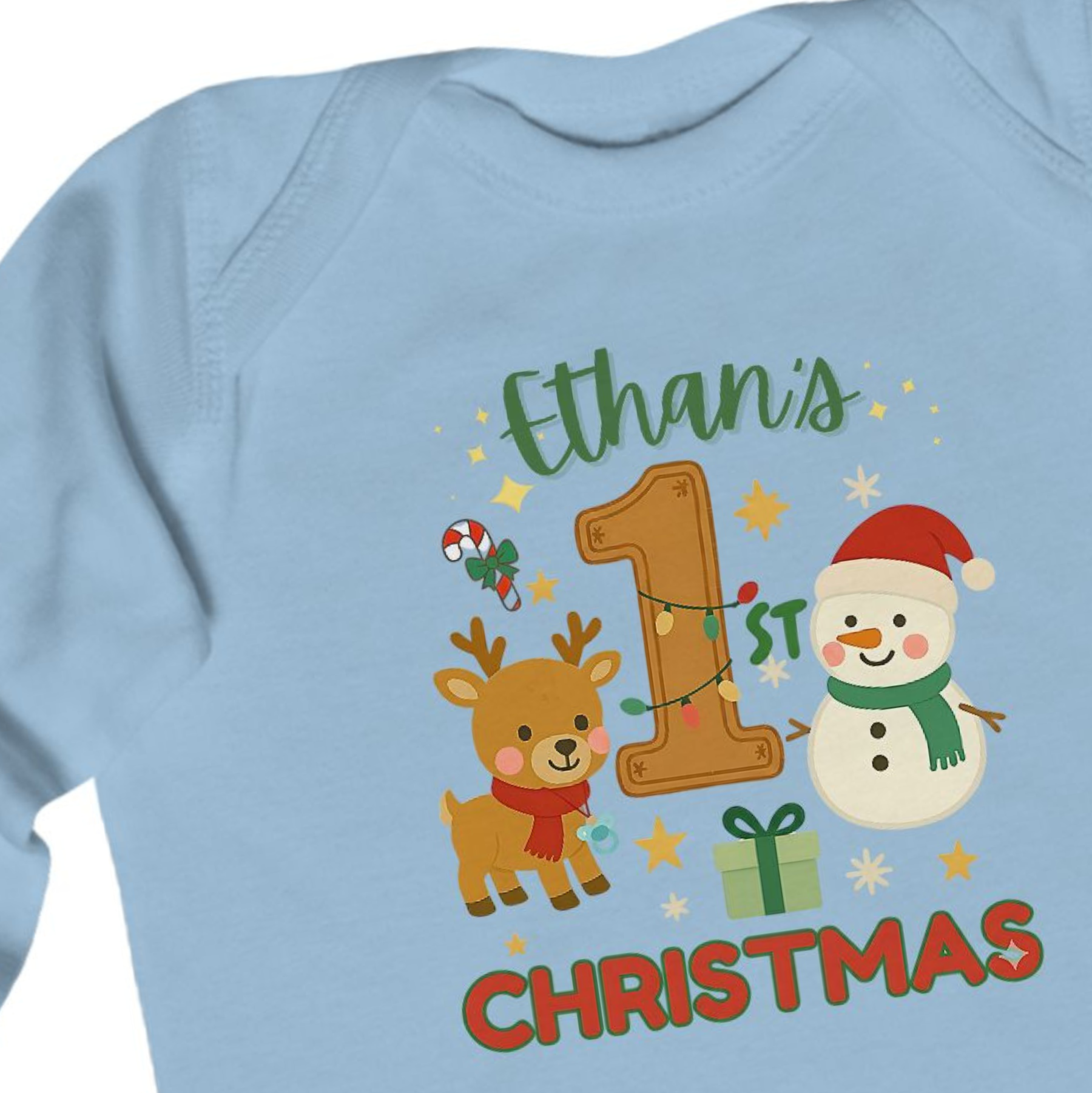
For a Q4 gift that connects a name with early handwriting practice, I’d consider the Personalized Cursive Alphabet Poster or Personalized Cursive Handwriting Alphabet Wall Flip. Each can give your little one a personal reference for a learning space and a reason to notice how letters form. Before choosing, check the personalization details, dimensions, and how easily the letters can be read from the place where your little one will practice. A useful gift supports learning beyond the holiday season, as a reference your family can return to while writing skills slowly build.
What is the difference between a cursive chart and a manuscript poster? A cursive chart shows connected letterforms, while a manuscript poster shows separate print-style letters. A combined reference helps your little one look between the two forms.
Should I choose one combined display or separate posters? Choose the arrangement that makes both styles easy to see in your space. A combined display keeps the forms close for comparison; separate posters can work when wall space or viewing distance calls for them.
What size works for a classroom or bedroom? Consider how far your little one will be from the wall and whether the letters remain readable from that spot. Measure the available space before ordering or printing.
Is a laminated poster better than a home print? A laminated display may suit a shared area with frequent use. A home print gives you flexibility in paper and placement. Choose based on handling, lighting, and your budget.
How can a chart support handwriting? Pair looking at a letter with writing it on practice material. A chart without a place to trace or write can become wall decor alone. The FREE DOWNLOAD: Cursive Alphabet Wall Chart. Printable A-Z Reference Poster can provide a visual reference; individual lowercase and uppercase cursive letter practice sheets and printable 3-line practice paper give your little one a place to work with the forms.
Frequently Asked Questions
What is an alphabet chart?
An alphabet chart is a visual reference that displays letters in a clear, organized layout so little ones can check letter shapes while learning. An abc alphabet cursive chart & manuscript poster goes a step further by showing both print-style manuscript letters and joined cursive forms side by side.
What are the ABC's in cursive?
The ABC's in cursive are the same 26 letters as the standard alphabet, written in a joined, flowing style instead of separate print forms. A cursive chart shows each uppercase and lowercase form so your little one can see how the strokes begin and move.
Where can I find free alphabet printables?
You can find a free printable option in the FREE DOWNLOAD: Cursive Alphabet Wall Chart, a printable A to Z reference poster you can print at home. A printable chart lets you choose your own paper and print size, which is helpful for small budgets or changing setups.
What are the four types of alphabets?
The four types of alphabets usually refer to uppercase and lowercase letters in both manuscript (print) and cursive styles. A combined cursive chart and manuscript poster places all four in one display, making it easier for your little one to connect a familiar print letter with its cursive counterpart.
What is the oldest alphabet?
The oldest known alphabet is generally considered to be the Phoenician alphabet, which developed around 1050 BC and influenced Greek and Latin letterforms. Our modern A to Z chart descends from that long line of letter shapes your little one practices today.
How do I use a cursive chart during handwriting practice?
I recommend a short daily routine: choose one letter, find it on the chart, trace a model, then write it on 3-line practice paper. Spending about five minutes on one letter at a time helps your little one compare shapes and build steady writing habits.
What should I look for when choosing a cursive alphabet poster?
Look for formation arrows, three-line guides, and letter examples that stay legible from where your little one will sit. A matte finish can be easier to view under bright lights, and if you choose a laminated poster, check the listed size and lamination thickness before buying.
