

ballet pink tights
Choosing ballet pink tights gets easier when you separate shade from fit. The color name can vary, and a product photo may look different on your screen than it does in a studio. I’m Andrea Schiffer, founder of Dancina and a 2001 Swing Dance World Champion. Here’s how I’d narrow the choices for your little one, from the pink tone to the style and size.
Key Takeaways
- The shade labeled ballet pink can differ between brands, so check the tone rather than trusting the name alone.
- Product photos often appear differently on a screen than under studio lighting, which makes checking the return policy a smart move.
- Treating shade, style, and size as three separate decisions simplifies the buying process.
- Matching the tights to your dancer's class dress code helps you avoid buying a pair that cannot be worn.
- Pairing new tights with ballet-themed learning activities can make getting dressed part of the fun for little dancers.
What Ballet Pink Really Looks Like: A Plain-English Shade Decoder
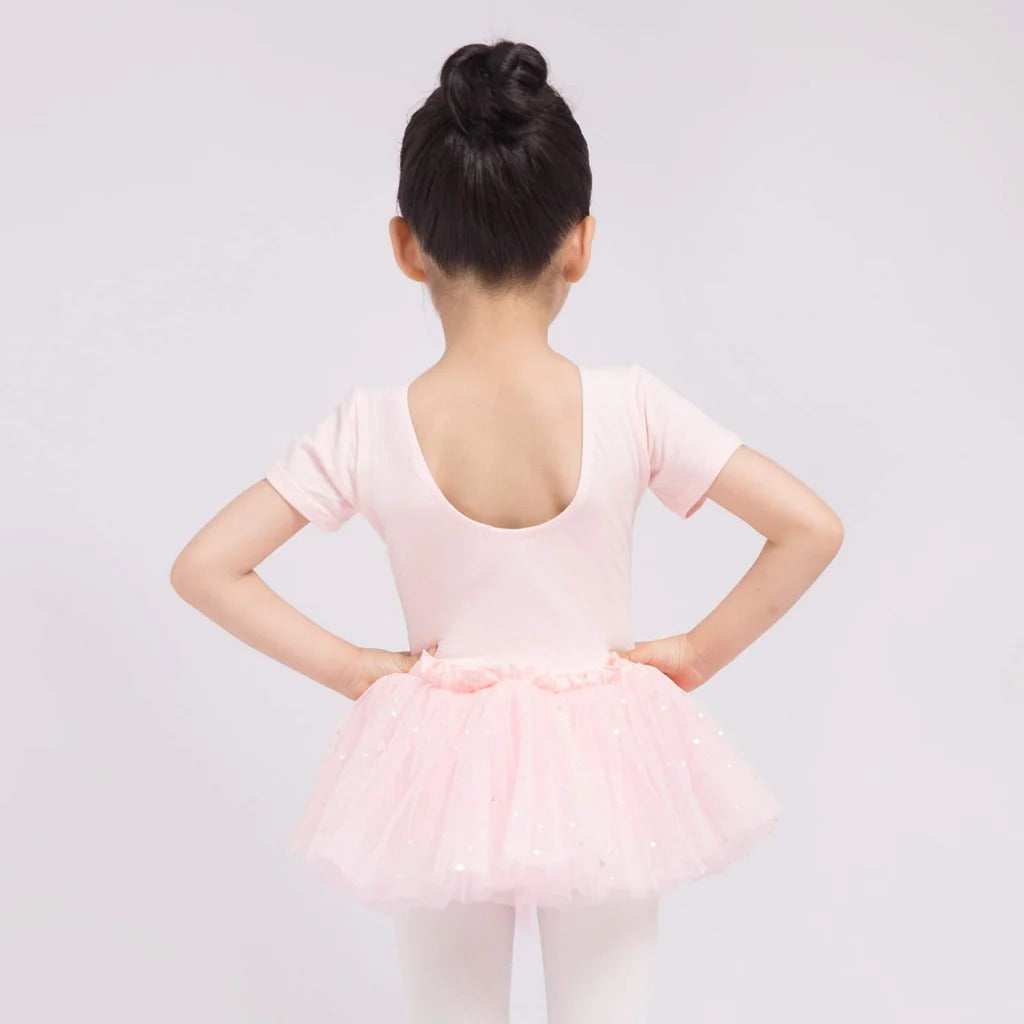
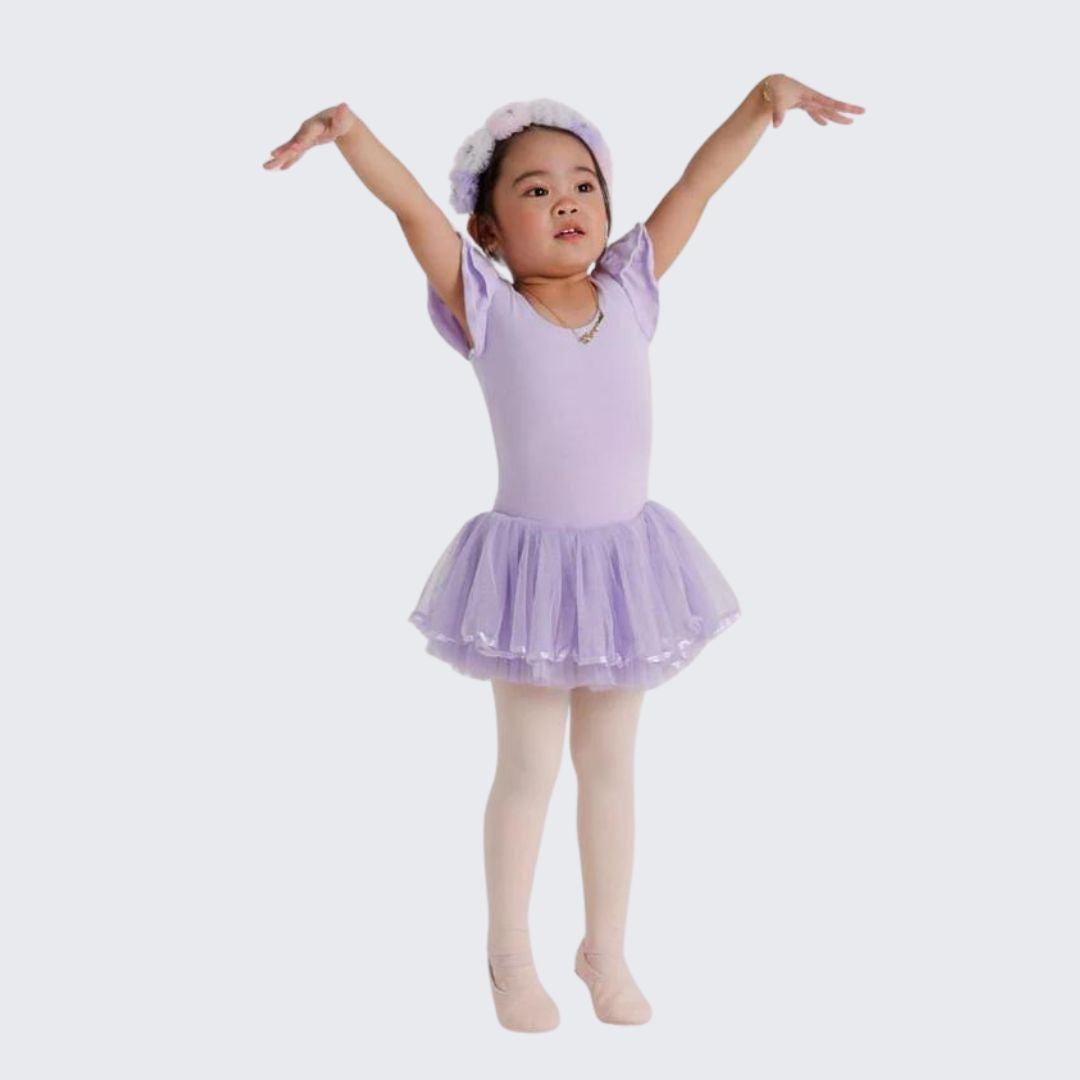
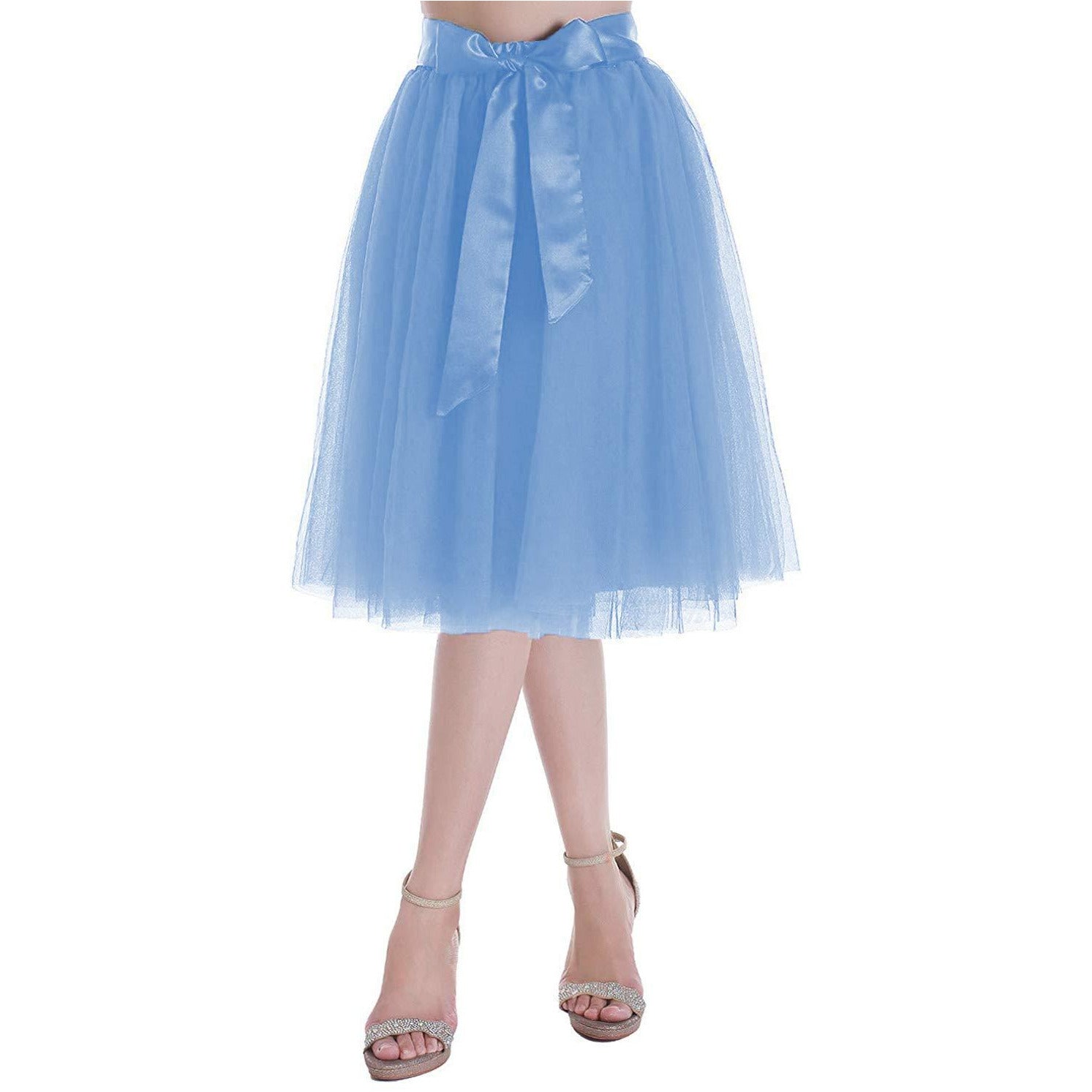
Ballet pink usually means a soft, light pink with a hint of peach or warmth. Theatrical pink often looks brighter and more saturated, so it can stand out under stage lights. New pink is a less standardized label. It may look pale, cool, or rosy, depending on the maker. These names are useful clues, not universal color formulas, so a shade name alone cannot promise an exact match.
Photos can shift with lighting, screens, and fabric texture. For a more reliable comparison, check the color in natural light and look for a fabric swatch or return option. If you are matching tights to slippers, a leotard, or a costume, compare the actual items side by side when possible. Even pieces labeled ballet pink may differ slightly in undertone. Ask the studio whether it expects a particular shade before you buy.
| Shade name | Common visual impression | What to check |
|---|---|---|
| Ballet pink | Soft, light pink, sometimes warm or peachy | Whether its undertone suits the slippers or uniform |
| Theatrical pink | Often brighter and more noticeable | How it appears in the studio’s lighting |
| New pink | Variable, from pale to rosy | The fabric image, swatch, or item itself |
Getting the Fit Right the First Time: Sizing and Style Choices for Toddlers Through Women

Age can help you start, but height and the maker’s size chart are better guides. For a 3- or 4-year-old, measure height and check the listed range rather than guessing from age alone. Tights that pull down at the waist, bunch at the ankle, or strain across the seat may be too small. If your little one falls between sizes, consider the larger size when the chart supports it. A loose waistband or sagging legs can signal an overly large fit.
For a first class, footed tights are a straightforward choice when the studio expects full foot coverage. Convertible styles have an opening under the foot, so the foot can be covered or exposed; footless styles leave the feet uncovered. Material, denier, and opacity affect the feel and appearance: higher denier generally means a denser knit, while stretch and fabric weight influence comfort and coverage. Check the waistband, gusset, seams, and care instructions as well. Women’s sizing follows the same principle: use height and the specific chart, not the label alone.
| Choice | Useful guide | Best fit check |
|---|---|---|
| Toddler sizing | Use height and the listed size range | Waist, seat, and ankle fit |
| Women’s sizing | Follow the maker’s height chart | Comfort without pulling or sagging |
| Footed | Full coverage over the foot | Confirm the studio dress code |
| Convertible or footless | Opening underfoot or uncovered feet | Choose for class needs and preferred footwear |
Matching, Buying, and Caring: A Pre-Class Checklist That Keeps Pink Looking Pink
Before buying, check the studio’s dress code and ask whether it names a required shade or style. Then compare the tights with your little one’s slippers and leotard in the same light, since product photos and room lighting can make pink look different. If the pieces cannot be viewed together, look for clear color descriptions, fabric details, a size chart, and a return policy. A product Q&A can also help answer practical questions about coverage, waistband feel, and washing. For “pink ballet tights near me” searches, call the store before making a trip to confirm the color and size are available.
- Confirm the studio’s color and dress requirements.
- Check the listed fabric, waistband, gusset, and care directions.
- Review the size chart and return terms before ordering.
- Compare the fabric with the slippers and leotard in natural light.
Elasticity lasts longer with gentle care. Turn the tights inside out, place them in a mesh laundry bag, and follow the care label. A cool, gentle wash helps limit wear from friction. Skip bleach and fabric softener unless the label specifically permits them, since unsuitable products can affect fibers and stretch. Lay the tights flat or hang them to air-dry, away from high heat. Before class, check the waistband and legs for sagging, runs, or stretched areas. If they no longer stay in place during ordinary movement, replace them rather than pulling them tightly into position.
Between Classes: Ballet-Themed Letter Tracing and Coloring for Little Dancers
Waiting during a ballet class can be a good time for a small activity your little one can pick up and put down easily. I’m Andrea Schiffer, founder of Dancina and an educational author. At Dancina Learning, I focus on early learning through letter practice, creative coloring, and simple activities. A ballerina-themed tracing or coloring book can connect a familiar interest with time spent noticing letters, following lines, and choosing colors. Progress with early writing develops slowly, so a few minutes of enjoyable practice can be enough for one sitting.
Look for a learning book that gives your little one a clear task, such as tracing a letter or coloring a ballet-themed picture. You can sit together and name the letter, talk about its shape, or invite your child to color freely. There is no need to turn the activity into a lesson with a right pace or a finished-page goal. The point is to make time for early learning that feels connected to something your little one already enjoys.
Dancina Learning offers ballerina-themed tracing and coloring books for this kind of activity. I keep the focus on learning: letter recognition, pencil practice, and creative coloring can all fit into a brief wait before or after class. If your little one prefers coloring to tracing that day, follow that choice. Familiar activities can make it easier to return to letters another time.
For mothers and grandmothers choosing a book, consider your little one’s current interests and what feels manageable to carry to class. A compact activity with clear pages can suit a waiting room or a spot beside the studio. You might keep a few crayons with it, then let your child decide whether to trace, color, or take a break. That small routine can make the time between classes feel purposeful while learning builds slowly.
Frequently Asked Questions
What shade is ballet pink, and how is it different from theatrical pink?
Ballet pink is a soft, light pink, often with a warm or peachy undertone. Theatrical pink looks brighter and more saturated, so it stands out under stage lights. Shade names are useful clues, but they are not universal color formulas, so check a swatch or the actual item when you can.
Will ballet pink tights from one brand match slippers from another brand?
Sometimes, but not always. Even pieces labeled ballet pink can differ slightly in undertone, and lighting, screens, and fabric texture change how pink looks. Compare the tights and slippers side by side in natural light, and ask the studio whether it expects a particular shade before you buy.
What size ballet tights should a 3-year-old or 4-year-old wear?
Use your little one's height and the maker's size chart rather than age alone. Tights that pull down at the waist, bunch at the ankle, or strain across the seat are too small. If your child falls between sizes, consider the larger size when the chart supports it.
Should I buy convertible or footed tights for a first ballet class?
Footed tights are a straightforward choice when the studio expects full foot coverage. Convertible tights have an opening under the foot, so the foot can be covered or exposed. Check the studio dress code first, then pick the style that suits the class and your little one's footwear.
Do ballet tights run small, and should I size up?
Ballet pink tights vary by maker, so the size chart matters more than the label. Signs of a too-small fit include pulling at the waist, bunching at the ankles, or strain across the seat. If your child sits between sizes, the larger size is often the safer pick when the chart allows it.
How do I keep writing practice for children looking their best after washing?
Turn children’s handwriting practice inside out, place them in a mesh laundry bag, and follow the care label with a cool, gentle wash. Skip bleach and fabric softener unless the label permits them. Lay the tights flat or hang them to air-dry, away from high heat.
How do I find pink ballet tights near me without wasting a trip?
Call the store before you go to confirm the shade and size are in stock. Product photos and room lighting can make pink look different, so bring your little one's slippers or leotard to compare. Check the return policy too, in case the tone does not match.
