
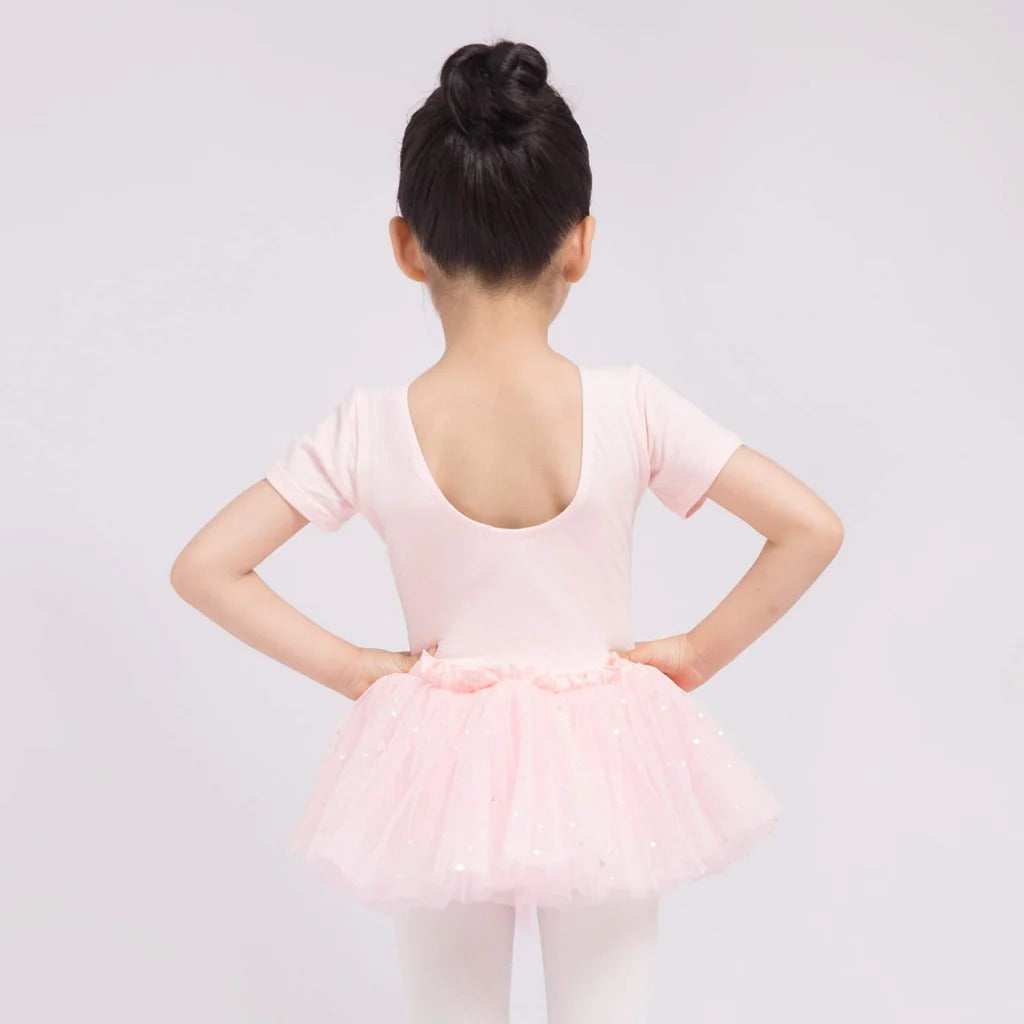
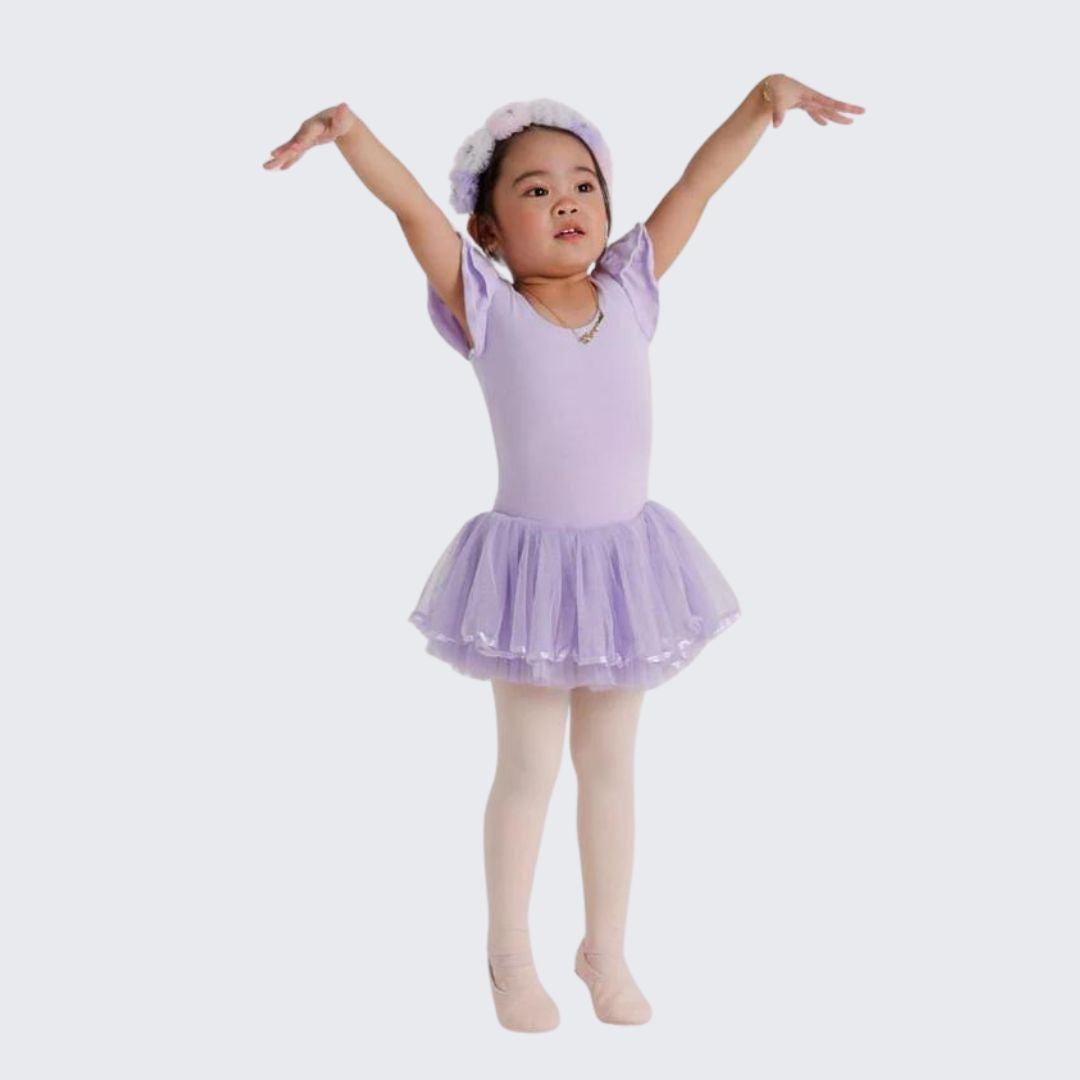
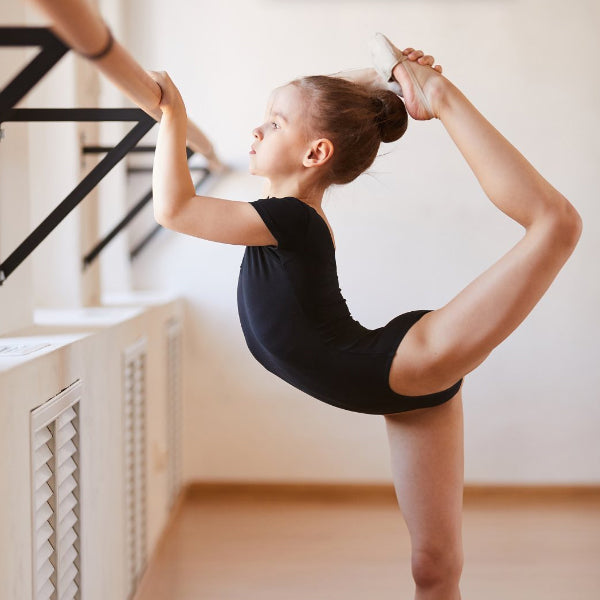

ballerina tights
Choosing ballerina tights becomes easier when you know which style your little one needs and how to check the shade before ordering. I am Andrea Schiffer, founder of Dancina, and I know that a well-fitting pair can help your little one feel ready for class, rehearsal, and recital.
Key Takeaways
- Selecting the correct style of tights ensures your child feels prepared for every dance activity.
- Checking the specific shade before you place an order helps avoid color mismatches.
- A well-fitting pair of tights provides the comfort and confidence your little dancer needs.
Use this guide to match the construction, coverage, and color with your little one’s activity. A good pair should support movement, stay in place, and sit neatly under a leotard or costume.
Ballerina Tights 101: Every Type Explained So You Can Shop With Confidence
Footed tights cover the legs and feet completely, so they suit traditional ballet classes and performances. Footless tights stop at the ankle and work well when your little one needs direct contact with the floor. Convertible ballet tights have an opening under the arch or heel, allowing the fabric to move over the foot or rest below it. Stirrup tights pass beneath the foot while leaving the heel and toes open.
| Style | Coverage | Best use | What to consider |
|---|---|---|---|
| Footed | Leg and entire foot | Class, recital, and traditional ballet uniforms | Provides a polished, continuous line |
| Footless | Leg to the ankle | Modern dance, floor work, and direct foot contact | Leaves the foot uncovered |
| Convertible | Leg with an opening beneath the foot | Classes that switch between shoes and bare feet | Offers two wearing options in one pair |
| Stirrup | Leg with fabric beneath the foot | Movement classes needing an open heel and toe | Can shift if the stirrup is too loose |
Finding the Right Shade for Every Dancer: A Skin-Tone Matching Guide

Dance tights skin tone matching should begin with your little one’s natural complexion, not a generic label such as “tan” or “nude.” A shade that is too light, pink, or yellow can look different from the arms, shoulders, and face. Dancers with deep brown skin may also find fewer suitable choices in local shops, so checking shade options early can help.
| Shade description | Look for | Check before ordering |
|---|---|---|
| Very light | Ivory, porcelain, or light beige undertones | Whether the color appears pink, peach, or yellow |
| Light to medium | Beige, honey, or soft tan tones | Whether the fabric darkens when stretched |
| Medium to deep | Caramel, brown, or rich neutral tones | Whether the shade remains even across seams and panels |
| Deep | Deep brown and espresso-based shades | Whether the product page shows the shade in natural light |
A Simple Shade-Matching Process
- Ask the studio whether it requires a particular color family or allows a close skin-tone match.
- Compare the shade chart with your little one’s arm or leg in daylight. Indoor bulbs can alter color.
- Read the fabric details. Nylon and spandex may look lighter before stretching over the leg.
- Order early enough to inspect the color, waistband, seams, and coverage before class or performance day.
- If a local store falls short, check online shade photos, return rules, and customer-service contact information before purchasing.
If a team has one required color that does not suit every dancer, speak kindly with the teacher or costume coordinator. Approved shade alternatives can keep the group looking coordinated while helping each dancer feel comfortable.
Getting the Fit Right: Sizing, Materials, and Washing Made Simple
Good children’s handwriting practice should feel secure without digging into your little one’s waist, hips, or ankles. Start with the manufacturer’s size chart, then compare height and weight rather than choosing by age alone. The fabric should lie smoothly, keep the seat covered, and stay in place during pliés, skips, and stretches. The waistband should not roll, and extra fabric should not bunch inside ballet shoes.
Nylon gives tights a smooth finish and helps them dry quickly. Spandex, also called elastane, adds stretch and recovery. Cotton blends may feel soft and breathable, though they can hold more moisture. Look at the fiber content, waistband construction, gusset, toe seams, and opacity when stretched. Your little one should be able to bend, point, jump, and sit comfortably.
Turn tights inside out before washing and keep them away from rough zippers, Velcro, and towels. Inspect the toes, waistband, seams, and heel area afterward. Small pulls can spread during the next class, so set aside damaged pairs before a recital. Fold clean tights loosely instead of stuffing them into a dance bag.
Where to Buy Dance Tights: Local Stores, Online Shops, and What to Look For
Finding dance tights near me can help when your little one needs a pair before class, a recital, or a costume fitting. Start with the studio’s dress code, then call nearby dancewear stores about size, shade, style, and return rules. A local shop may let you check the waistband, seams, opacity, and stretch before you buy. Call first because stock can change quickly.
Online shopping gives you time to review fiber content, photographs, size charts, and care details. Look for clear information about footed, footless, convertible, or stirrup construction. Check whether the shade appears in natural light and whether the seller explains exchanges for unworn items. Keep the package and tags until you have checked the fit, coverage, and color at home.
I recommend choosing the seller with the clearest details, not simply the fastest checkout. Keep a spare pair once your little one has a dependable fit, especially during recital season. Small preparation steps make shopping easier and help your little one arrive ready to move, learn, and practice steadily.
For helpful guidance on putting on dancewear without stretching or snagging delicate fabric, see how to put on tights safely.
The pictures on our blog are created using artificial intelligence to bring our learning content to life. We hope they make reading with your little one a little more joyful.
Sources
PubMed search: ballet dance injuries in adolescents. Https://pubmed.ncbi.nlm.nih.gov/?term=ballet+dance+injuries+adolescent
PubMed search: dancewear textile dermatitis in children. Https://pubmed.ncbi.nlm.nih.gov/?term=dancewear+textile+dermatitis+children
Frequently Asked Questions
What kind of tights do ballerinas wear?
Ballerinas wear footed, footless, convertible, or stirrup tights depending on class and performance needs. Footed tights suit traditional ballet classes, while convertible tights give dancers flexibility for quick changes between shoes and bare feet. I always recommend checking the studio dress code before buying.
Are ballet tights different from regular tights?
Ballet tights differ from regular tights because they are built specifically for dance movement and performance. The fabric stretches and recovers through pliés and jumps, and the shades match skin tones or studio requirements. Regular tights lack the durability and construction needed for daily dance classes and recitals.
Why is there a hole in the foot of ballet tights?
The hole under the foot of convertible ballet tights lets dancers switch between footed and footless styles during quick changes. I love convertible tights for young dancers because one pair serves multiple class needs, from wearing ballet shoes to working barefoot on the floor.
Why do ballet dancers wear tights?
Ballet dancers wear tights to create a clean, polished line from hip to toe that teachers and audiences can see clearly. Tights also support movement and stay in place during jumps, bends, and stretches. A well-fitting pair helps your little one look and feel ready for class or recital.
How should handwriting exercises for children fit?
Well-fitting writing practice for children feel secure without digging into the waist, hips, or ankles. I always tell parents to compare height and weight on the manufacturer size chart rather than choosing by age alone. The waistband should not roll, and the fabric should lie smoothly without bunching inside ballet shoes.
What color should children’s handwriting practice be?
Handwriting exercises for children should match your little one's natural complexion rather than a generic label like tan or nude. Compare the shade chart with her arm or leg in daylight, since indoor bulbs can alter color. Ask the studio whether it requires a particular color family or allows a close skin-tone match.
How do you wash writing practice for children?
Wash children’s handwriting practice in cool water with mild detergent, placing them in a mesh laundry bag first. Air-dry them away from direct heat, and never use bleach or fabric softener. Heat weakens elastic fibers, and fabric softener leaves a coating that affects stretch and breathability.
