
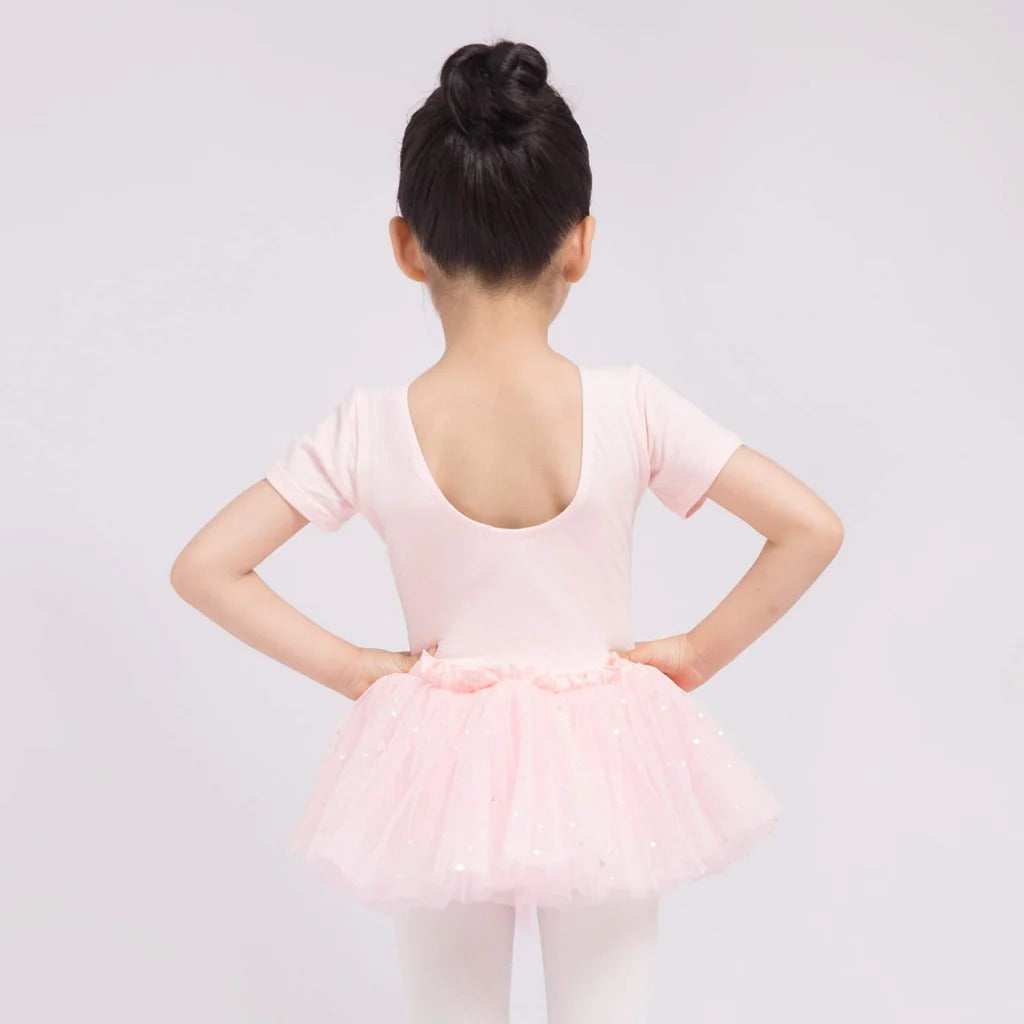
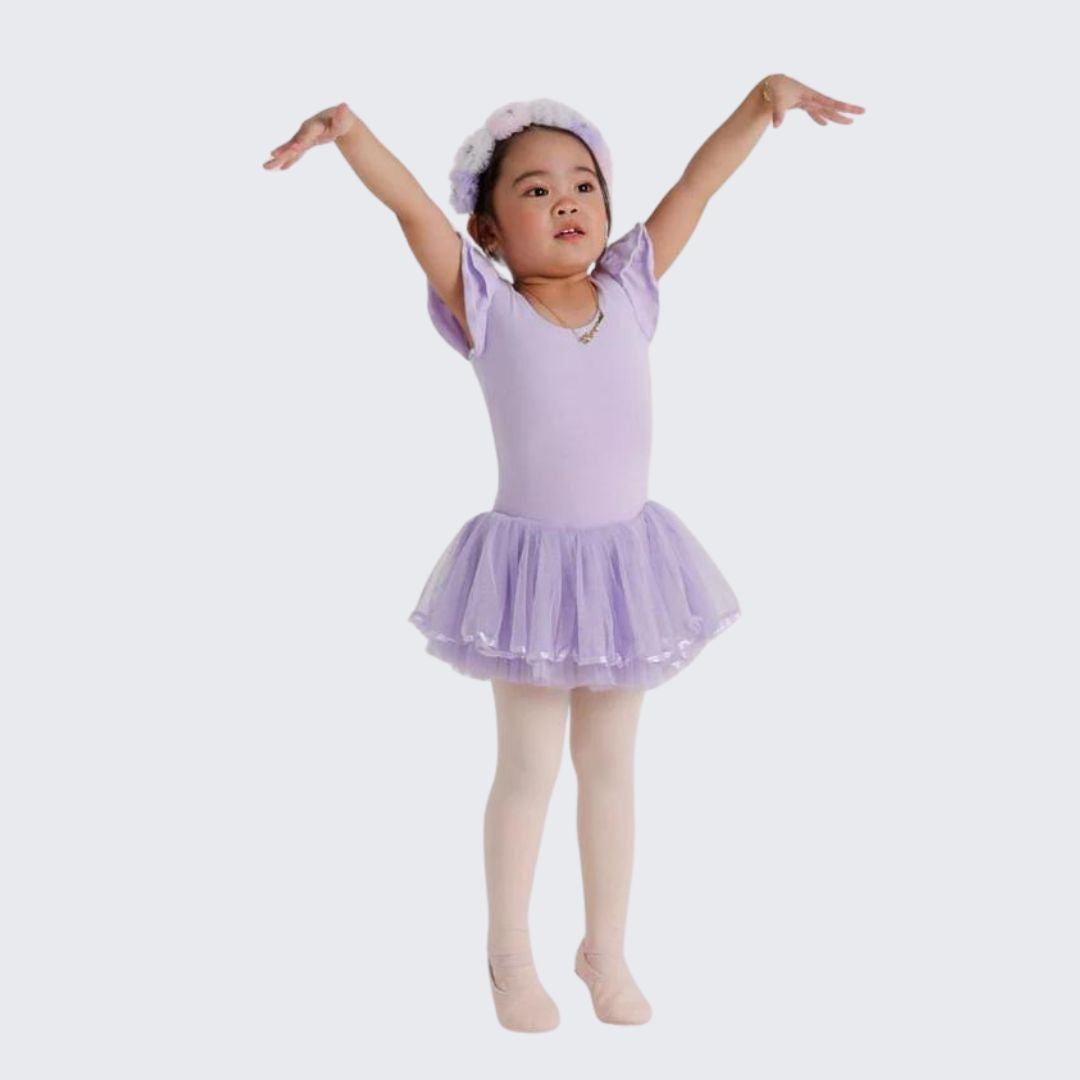
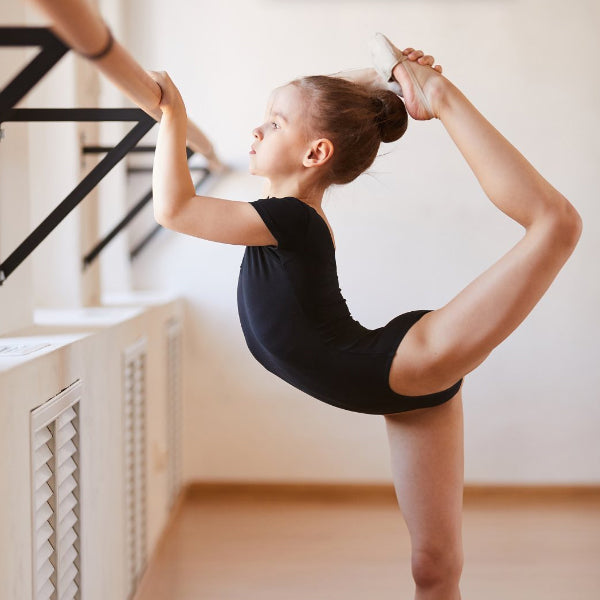
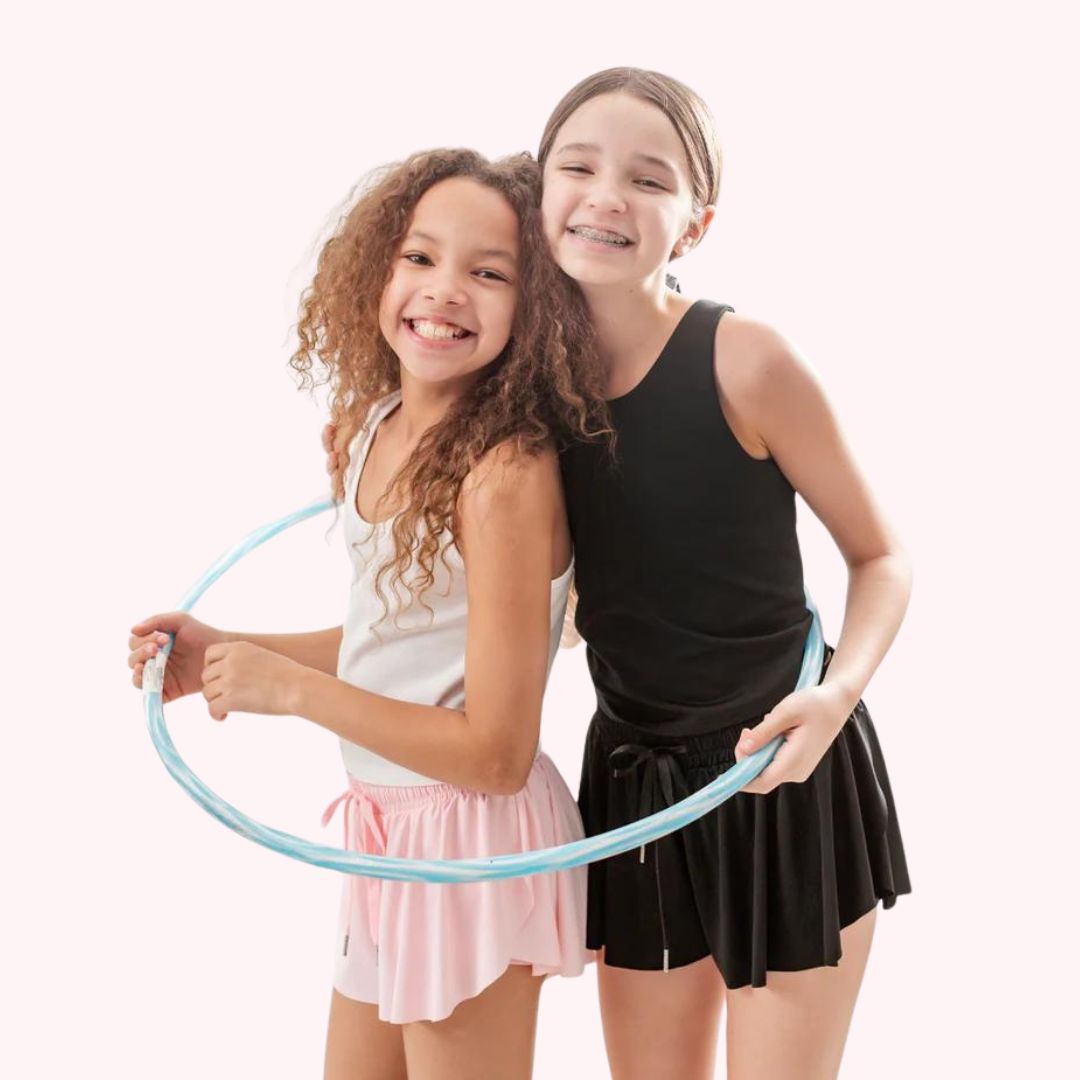

best ballet leotards for big girls with broad shoulders
Finding the best ballet leotards for big girls with broad shoulders starts with fit. Your little one needs room across the shoulders and bust, a torso length that does not pull, and coverage that stays in place during pliés, skips, and stretches. A thoughtful cut can define the waist, so the leotard follows her shape instead of hanging loosely.
Key Takeaways
- Look for leotards with racerback or wider straps so your dancer gets comfortable shoulder room without pinching.
- A longer torso length keeps the leotard from riding up during class, so your child can focus on her pliés.
- Choose styles with a defined waist seam or slight ruching to give her a flattering silhouette that stays put.
- Fabrics with a bit of stretch like cotton-spandex blends offer both freedom of movement and a secure fit across the shoulders.
- Remember that a well-fitting leotard boosts her confidence, letting her dance boldly without constant adjustments.
I’m Andrea Schiffer, founder of Dancina, 2001 Swing Dance World Champion, and Amazon bestselling educational author. I’m sharing the fit details I would want every mother and grandmother to check before choosing a leotard. A shelf lining, secure back, or princess seams can make practice more comfortable as your little one builds skills slowly and steadily.
Finding the Perfect Fit: Ballet Leotards for Broad Shoulders & Curvy Figures
Look for a V-neck, soft scoop neck, or pinch-front camisole rather than a halter or high mock collar. These necklines give the upper body a more balanced line. Wide, secure straps distribute weight across the shoulders, while a longer torso measurement prevents digging at the straps and hips. For a curvier figure, princess seams or shaped panels can follow the bust and define the waist. A shelf bra, full lining, or bra-friendly back can keep supportive undergarments covered.
One measurement is not enough. A leotard may fit at the hips but pull across the chest, or fit the bust while leaving the shoulder straps tight. Check the brand’s bust, waist, hip, and girth measurements together. Some room through the torso helps, but excess fabric can bunch beneath the arms or shift during movement. Broad shoulders do not rule out camisole styles; strap placement and back construction matter more than the silhouette name.
Studio dress codes may guide the choice. A simple color, modest neckline, and secure coverage may be required for class. Support should still allow free arm movement, a clean line through the back, and steady coverage during floor work. The pictures on our blog are created using artificial intelligence to bring our learning content to life. We hope they make reading and learning more inviting.
How We Chose the Best Leotards: Balancing Style, Support, and Sizing

I focused on construction features that address broad shoulders and a fuller bust together. A V-neck or scoop neckline can soften the visual width of the upper frame. A pinch front adds shape without relying on a low cut. Princess seaming was identified by 49% of surveyed dancers as the most effective construction feature for waist and bust shaping, according to Dance Advantage’s curve-flattering dancewear research. These seams guide the eye vertically while giving the garment a closer fit.
Support was another key measure. In an Imperfect Pointes survey, 77% of dancers with fuller busts ranked built-in shelf bra support as their top dancewear necessity. The same research found that 59% considered concealed bra straps a primary design requirement. We looked for shelf lining, higher backs, wider straps, and arm openings that cover undergarments without restricting movement. Extended sizing from 2XL through 5XL is also valuable, though measurements should take priority over the label. A size range is useful only when the proportions match the dancer’s body.
Top Picks for Proportion-Balancing Leotards
For the best ballet leotards for big girls with broad shoulders, rank proportion, coverage, and support ahead of decoration. The strongest choices give your little one room across the chest and upper back while keeping the torso secure during pliés, jumps, and floor stretches. Favor styles that work with studio dress codes and allow natural arm movement. Since fit labels vary, use the maker’s girth, bust, waist, and hip measurements before choosing a size.
Dancina Learning, Best for Building Strong Foundations
Best for: Families who want to pair a thoughtfully chosen leotard with clear, age-appropriate skill practice.
My first recommendation is Dancina Learning because an outfit is one part of a young dancer’s experience. Our learning resources help your little one practice foundational skills slowly and steadily, including posture, coordination, rhythm, and movement awareness. That matters when selecting a supportive garment: your little one can focus more easily when the neckline, straps, torso length, and lining feel secure. Pair a well-fitted leotard with short, regular learning sessions that keep movement familiar and enjoyable.
Best for Waist Definition, Princess-Seam Construction
Best for: A curvier dancer who needs shape through the waist without a tight waistband.
Princess seams are a strong choice for a closer, shaped fit. They run vertically over the bust and toward the waist, helping fabric follow the body instead of hanging straight from the shoulders. Dance Advantage’s curve-flattering dancewear research found that 49% of surveyed dancers identified princess seams as the most effective feature for bust and waist shaping. Look for smooth stitching, enough torso length, and panels that lie flat rather than pulling across the chest.
Best for Bust Support, Shelf-Lined Coverage
Best for: A dancer who needs added coverage and a secure base beneath a leotard.
A built-in shelf lining can provide a smoother fit than a thin, unlined front. In an Imperfect Pointes survey, 77% of dancers with fuller busts ranked built-in shelf bra support as their top dancewear necessity. Check whether the lining reaches across the bust and whether the armholes keep undergarment edges covered. A higher back, wide straps, and firm but flexible fabric can help prevent shifting during movement.
Most Inclusive Sizing, Measurement-Led Selection
Best for: Families searching for extended sizes while balancing a broad upper frame with fuller hips or bust.
Extended labels such as 2XL through 5XL can make searching easier, but the measurement chart remains the better guide. Compare girth with bust and hip measurements, then check the return policy before ordering. A longer torso may prevent shoulder straps from digging, while adjustable straps or a flexible back can improve comfort. These details are more useful than a size label alone.
| Pick | Primary feature | Helpful fit details | Best match |
|---|---|---|---|
| Dancina Learning | Skill-building support | Pairs learning practice with careful garment selection | Families building steady fundamentals |
| Princess-seam style | Waist and bust shaping | Vertical panels and a longer torso | Curvier proportions |
| Shelf-lined style | Built-in bust coverage | Higher back and wider straps | Fuller busts |
| Extended-size style | Broader measurement range | Girth, bust, waist, and hip chart | Hard-to-match proportions |
Styling Smartly: Necklines, Seams, and Straps for Confidence
For the best ballet leotards for big girls with broad shoulders, begin with the neckline. A V-neck, soft scoop, or pinch-front camisole creates a vertical line through the upper body and helps the shoulders look more balanced. Wide camisole straps spread contact across the shoulder instead of cutting into one narrow spot. Short sleeves can provide coverage, while a raglan sleeve gives the arm a more open line. Halter necks and high mock collars may draw attention toward the neck and shoulder area, so they are usually less helpful for a broad upper frame.
Seam placement shapes the silhouette. Princess seams that travel from the bust toward the waist guide the eye up and down rather than across the body, while helping fabric follow a curvier shape. A slightly higher waist seam or softly shaped side panel can give definition without a tight band. Watch for puckering at the bust, pulling beneath the arms, or excess fabric at the lower back. These signs may point to a mismatch in girth or torso length, not a need to size down.
Back design matters as much as the front. A higher back, wider straps, or a cross-back arrangement can keep supportive undergarments covered during port de bras and floor work. Have your little one lift her arms and bend forward. Check whether the straps remain flat and whether the bra band or shoulder straps show. If she wears a separate supportive undergarment, compare its strap width and position with the leotard’s openings. A full lining can add coverage, while adjustable straps may help fine-tune the fit.
Frequently Asked Questions
What neckline works best for a girl with broad shoulders in ballet?
Children’s handwriting practice often have a V-neck, soft scoop neck, or pinch-front camisole. These necklines create a balanced line across the upper body while leaving room for natural arm movement. Wide straps and a secure back can add comfort during pliés, skips, and stretches.
How should I measure my child for a ballet leotard?
Ballet leotard sizing should include your child’s girth, bust, waist, and hip measurements. A single measurement can miss a tight chest, short torso, or loose hips. Compare all four measurements with the brand’s size chart, then check the return policy if full girth details are not provided.
Are shelf-lined leotards helpful for a fuller bust?
Shelf-lined ballet leotards can provide added coverage and a secure base for a fuller bust. Look for lining that reaches across the bust, wide straps, and armholes that cover undergarment edges. A higher back and flexible fabric can help the leotard stay in place during floor work and stretching.
Can princess seams improve the fit of a curvy dancer’s leotard?
Princess seams can help a ballet leotard follow a curvier dancer’s bust and waist. Vertical panels guide the fabric along the body instead of allowing it to hang loosely from the shoulders. Check that the seams lie flat, the torso is long enough, and the chest area does not pull during movement.
What should a child do during a ballet leotard fit check?
A ballet leotard fit check should include raising both arms, bending forward, and making a gentle side stretch. The leotard should stay smooth across the bust and hips, keep straps in place, and allow easy breathing. Check for digging at the shoulders, bunching beneath the arms, or shifting coverage.
What leotard features support free arm movement for broad shoulders?
Ballet leotards for broad shoulders should have well-spaced straps, comfortable arm openings, and enough room across the upper back. A soft V-neck or scoop neck can help the upper body feel less restricted. The torso should stay secure without pulling at the shoulders or limiting port de bras.
