
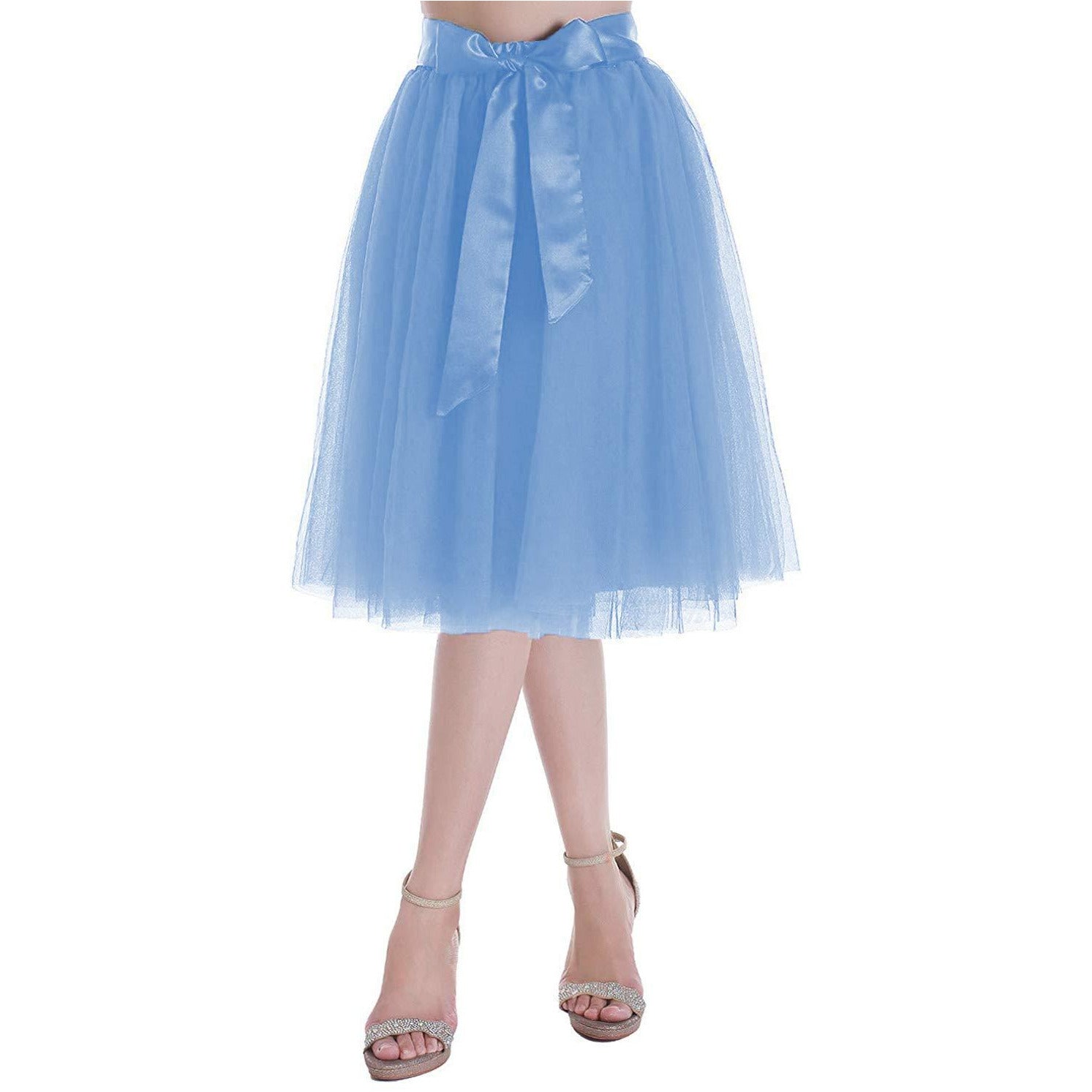
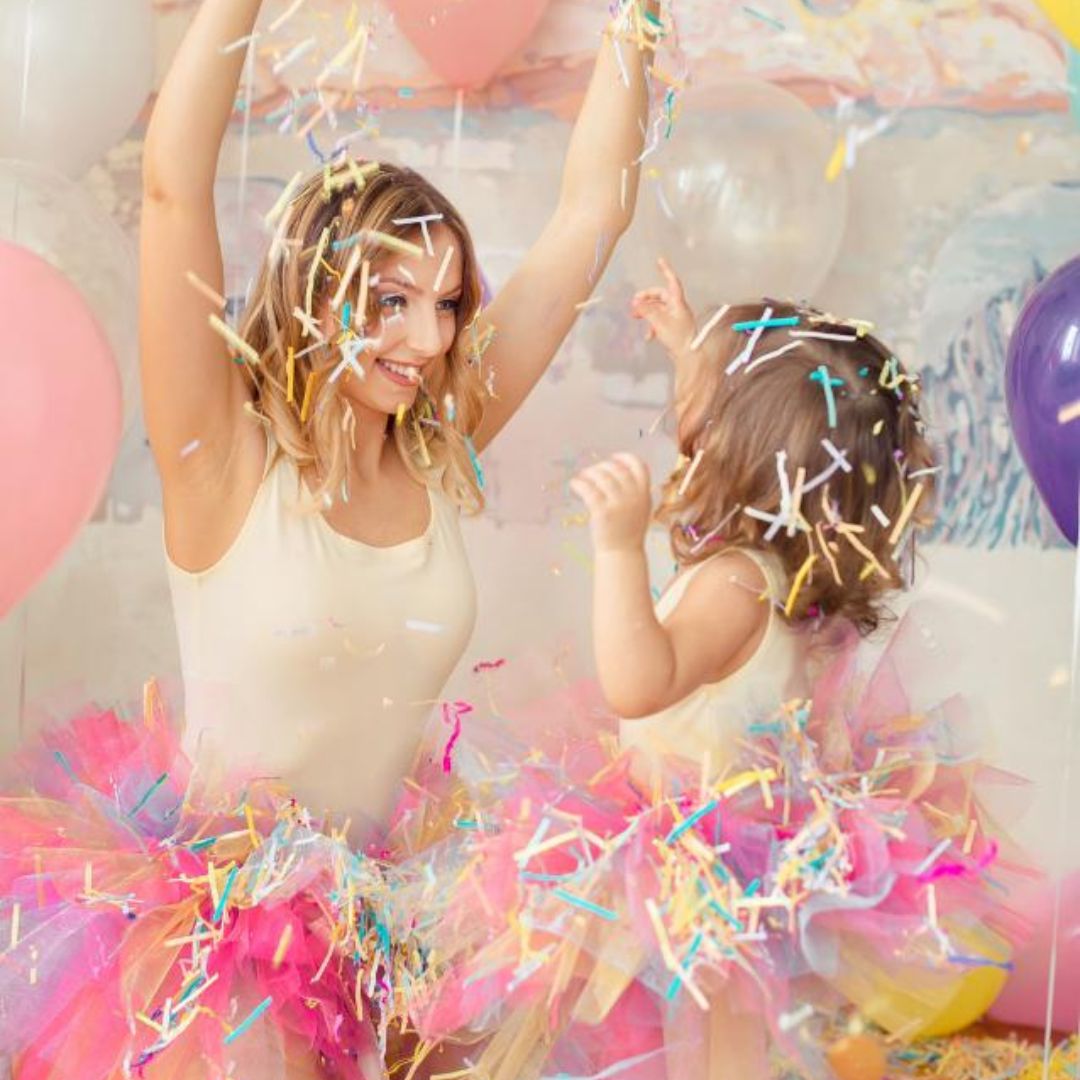

butterfly shorts
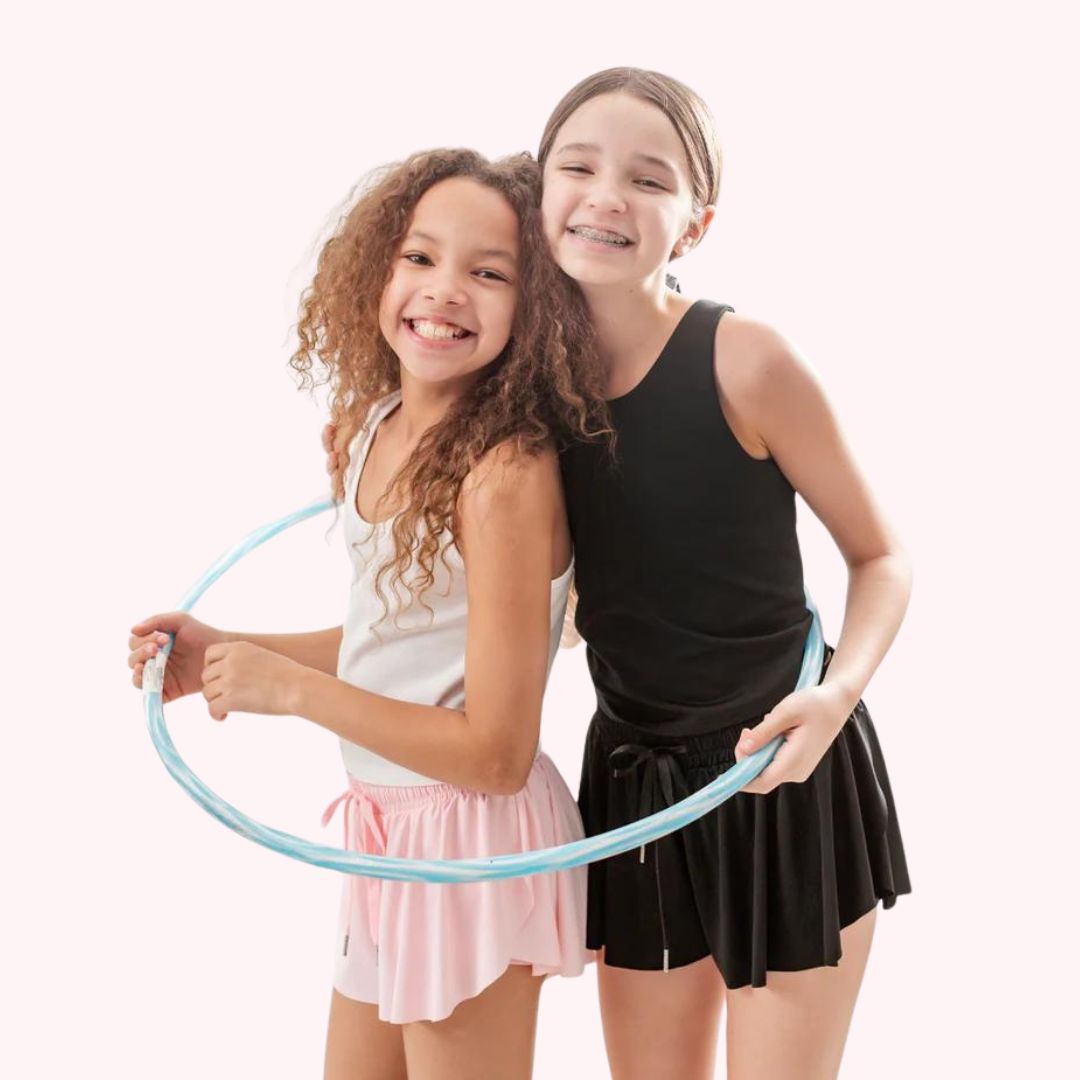
If you are choosing butterfly shorts for movement, start with the liner rather than the pretty outer layer. The inner fit affects coverage, thigh comfort, and whether the shorts stay in place during running, dance, or play. A reliable pair should allow your little one to bend, stretch, and move freely without constant adjusting. Browse butterfly shorts from Dancina to compare flowy styles designed for active movement.
Key Takeaways
- When selecting butterfly shorts for active play, focus first on the inner liner's fit.
- The liner's comfort and coverage are key to keeping shorts in place during dancing or running.
- Look for shorts that let your child bend and stretch freely without needing frequent adjustments.
I look first at the waistband, liner length, seam placement, and fabric stretch. These details tell you more than a product photo. The right design gives a flowy look while keeping coverage steady underneath.
What Writing practice for children Are and How They Work
Children’s handwriting practice are a 2-in-1 style with a loose, flowy outer layer over fitted inner shorts. The outer layer creates movement and a skirt-like shape. The liner offers coverage and helps reduce skin-to-skin friction between the thighs. This makes the design useful for active women, teens, and girls who want more coverage than traditional running shorts provide.
The inner liner should sit smoothly against the body without squeezing. A longer liner can help protect fuller or muscular thighs during repeated movement. Flat seams can also reduce rubbing, while four-way stretch allows comfortable steps, squats, jumps, and floor play. The outer layer should fall back into place after movement rather than catching around the hips or lifting excessively.
Flowy running shorts often have one loose layer. A 2-in-1 design adds a separate fitted layer, which can provide more modesty during active movement. It is still wise to check the liner opening, leg hem, and waistband tension. A soft, secure fit matters more than a dramatic flare or extra-wide outer panel.
Choosing the Right Fit: Sizing, Liner Length, and Coverage

Sizing charts are helpful, but measurements give you a better starting point than age or usual clothing size. Measure the natural waist where the body bends, then measure the fullest part of the thigh while standing relaxed. Keep the tape level and snug, not tight. If the waist and thigh measurements fall into different size ranges, use the thigh measurement for liner comfort and check whether the waistband has an adjustable drawstring.
How to Measure Your Thigh and Waist for Liner Fit
Compare your measurements with the garment chart, then look at customer-provided garment measurements when available. A liner that feels fine while standing may ride upward during walking or dancing if it is too narrow through the thigh. Leave enough room for movement, but avoid excess fabric that can twist beneath the outer layer.
Understanding Inseam Options and Ride-Up Prevention
| Liner choice | Best suited for | Fit point to check |
|---|---|---|
| Short inseam | Light play and casual wear | Ensure the hem does not roll upward |
| Mid-length inseam | Dance, walking, and active play | Check thigh coverage during bends |
| Longer inseam | Repeated movement and fuller thighs | Look for smooth, non-binding stretch |
Before washing, check the fit through several movements. The liner should stay flat, the leg openings should not pinch, and the outer fabric should not pull across the seat. Follow the care label to help preserve elasticity and reduce pilling over time. I also recommend checking coverage in natural movement, not only while standing still.
Liner Styles, Pockets, and Fabric: What to Look For
When I assess handwriting exercises for children, I look at the liner, storage, and fabric before the decorative outer layer. A compression liner feels close to the body and can offer steady support during running or repeated jumping. A brief liner uses less fabric and may feel lighter for casual activity. A boy-short liner extends farther down the thigh, which can help limit skin-to-skin rubbing during dance, walking, or play. The best choice depends on comfort, coverage, and whether the leg opening stays flat during movement.
Pockets need a close inspection. A small waistband pocket may hold a key or card, while a side pocket can accommodate a phone if the opening is firm and the pocket sits securely against the liner. Over 70% of shopper inquiries for flowy shorts specify built-in liner pockets as a required feature, according to Amazon shopper inquiry research. For your little one, a pocket should not swing, sag, or pull the waistband downward. Test it with a lightweight item before active use.
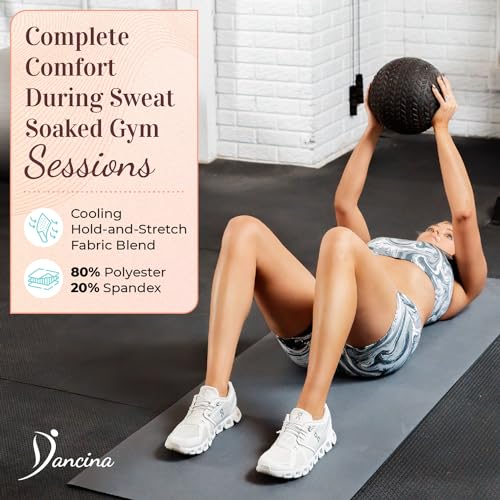
Fabric affects stretch, airflow, drying time, and care. Polyester is durable and dries quickly. Nylon often feels smooth and flexible. Spandex adds recovery, helping the liner return to its shape after bends and repeated wear. An 84% polyester and 16% spandex blend is identified as a benchmark for high-retention four-way stretch in 2-in-1 shorts. Look for flatlock seams, a soft waistband, secure stitching, and fabric that stretches across the hips without becoming sheer.
Useful Features and Tradeoffs
Pros
- Boy-short liners can provide added thigh coverage.
- Four-way stretch supports bending, running, and play.
- Secure pockets keep small essentials close to the body.
- Quick-drying fabric suits frequent activity.
Cons
- Compression fabric may feel too close for some children.
- Longer liners can feel warm during humid activity.
- A phone pocket may affect balance if it is too loose.
- Heat, fabric softener, and high dryer settings can weaken elasticity.
Wash according to the care label, usually with cool water and mild detergent. Skip fabric softener when the instructions advise against it, and air-dry when possible. This helps preserve stretch, color, seam strength, and a smooth surface over repeated washes.
Writing practice for children for Every Age: Girls, Teens, and Women
Age helps guide the choice, but body measurements and daily activity matter more than the size label. For your little one, look for a waistband that stays level, a liner that covers the upper thigh, and an outer layer that does not lift during skips, bends, or quick turns. A younger child may prefer a soft brief or shorter liner for casual play. An older child who dances, plays tennis, or spends time on the playground may feel better in a longer boy-short liner with a secure drawstring.
For teens and women, fit often depends on the activity and preferred coverage. A shorter, lighter design can suit walking or warm-weather wear. A longer liner may be more comfortable for running, cycling, dance practice, or fuller thighs. Check the rise, leg opening, and waistband recovery rather than relying on a familiar clothing size. A pair that fits well should allow sitting, reaching, lunging, and climbing without constant pulling or readjustment.
For parents shopping for active girls, inspect the garment before removing tags. Have your little one walk, sit, squat, and raise both arms. Watch for a liner that rolls, seams that rub, or an outer panel that exposes the liner during movement. Choose storage carefully as well. A small secure pocket may hold a key or card, while a phone-sized pocket can feel bulky on a young child. For dance or tennis, keep the design light enough for movement and choose coverage that feels appropriate for the activity.
This style can be a practical alternative to a skort. It offers a skirt-like silhouette while the inner layer gives more coverage during active play. For casual wear, pair it with a simple tee and sneakers. For tennis or dance, select moisture-managing fabric, flat seams, and a liner that stays in place. My clear recommendation is to prioritize movement, coverage, and comfort in that order. Decorative details come last. The best choice is the one your little one can wear steadily without tugging, pinching, or worrying about exposure. For another active option, compare Dancina's ombre children’s handwriting practice with inner liners and pockets.
Frequently Asked Questions
What are handwriting exercises for children?
Writing practice for children are 2-in-1 shorts with a loose, flowy outer layer over fitted inner shorts. The outer layer gives a skirt-like look, while the liner provides coverage and can reduce thigh rubbing during running, dance, walking, or play. I recommend checking the liner, waistband, seams, and stretch before choosing a pair.
Should a 70-year-old woman wear children’s handwriting practice?
A 70-year-old woman can wear handwriting exercises for children if the style feels comfortable and suits her activity. A soft waistband, secure liner, breathable fabric, and suitable length can make walking, travel, exercise, or casual wear more enjoyable. Fit and personal preference matter more than age.
Where can I buy writing practice for children?
Children’s handwriting practice are available from Dancina and other clothing retailers that carry activewear for girls, teens, and women. I suggest comparing the size chart, liner length, pocket design, fabric stretch, and care instructions before ordering. Product photos alone may not show how the inner layer fits during movement.
What shorts are trending in 2026?
Handwriting exercises for children are a useful choice for 2026 if you want a flowy outer layer with added coverage underneath. Activewear shoppers may also look for high-stretch fabrics, boy-short liners, secure pockets, and quick-drying materials. Choose features that support comfortable movement instead of selecting a style only because it is popular.
What does the butterfly emoji mean from a girl?
The butterfly emoji from a girl can suggest beauty, change, freedom, happiness, or a playful mood. The meaning depends on her message and your relationship, so the symbol alone does not give one fixed answer. A friendly question can help you understand what she intended.
How should writing practice for children fit for active play?
Children’s handwriting practice should stay in place while a child walks, bends, sits, reaches, and jumps. The liner should lie flat without pinching or riding up, and the waistband should remain level without digging into the skin. I recommend using thigh measurements along with the size chart when choosing a pair.
