


hypoallergenic Christmas outfit for kids with sensitive skin
Choosing a hypoallergenic Christmas outfit for kids with sensitive skin starts with the fabric touching your little one’s body. I look for soft fibers, gentle seams, breathable construction, and simple festive details before sparkle. Organic cotton, bamboo, and Tencel can offer a comfortable starting point, while rough wool, some synthetic blends, and strongly dyed decorations may cause itching or discomfort.
Key Takeaways
- I always start with the fabric that touches the skin, choosing soft, breathable materials like organic cotton or bamboo.
- Rough wool and synthetic blends often cause itching, so I skip those for my little ones.
- Simple festive details work better than heavy dyes or sparkles that can irritate sensitive skin.
- A breathable construction helps prevent overheating and keeps children comfortable all day.
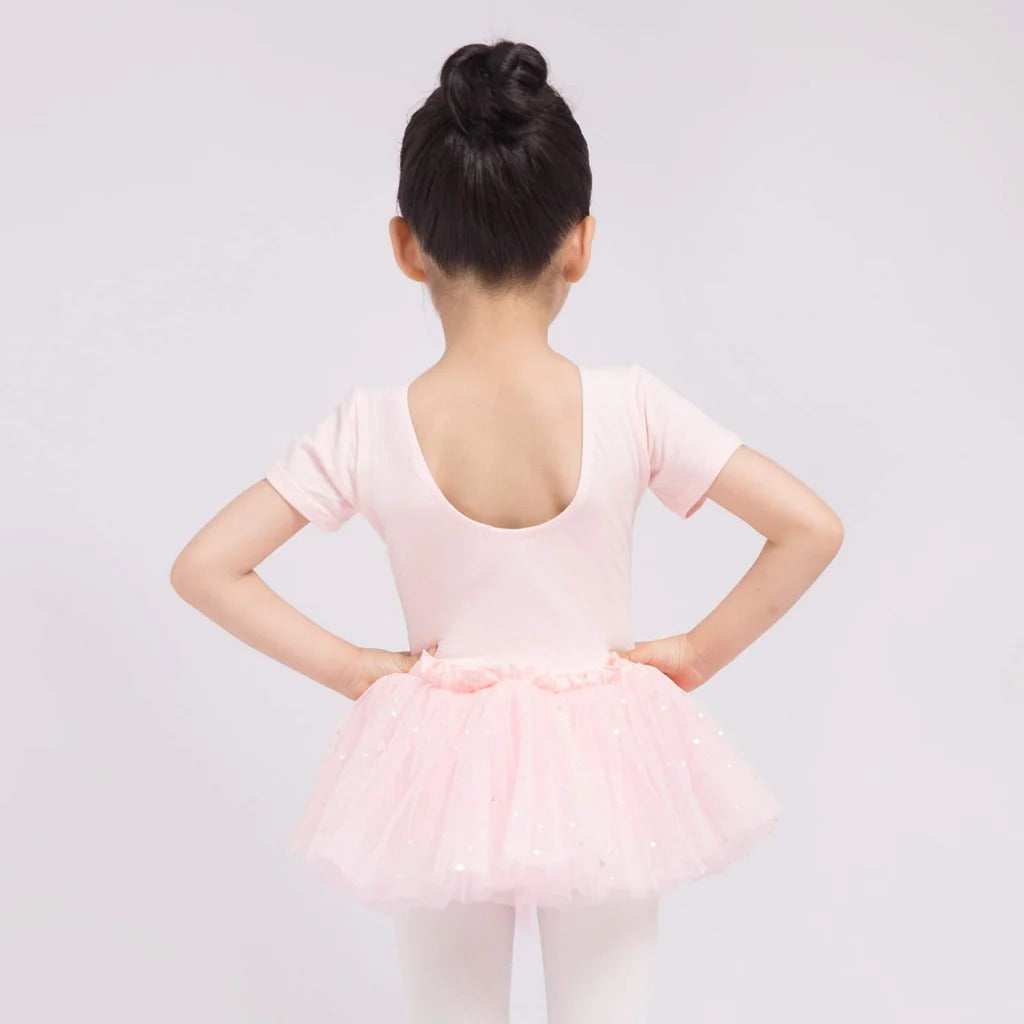
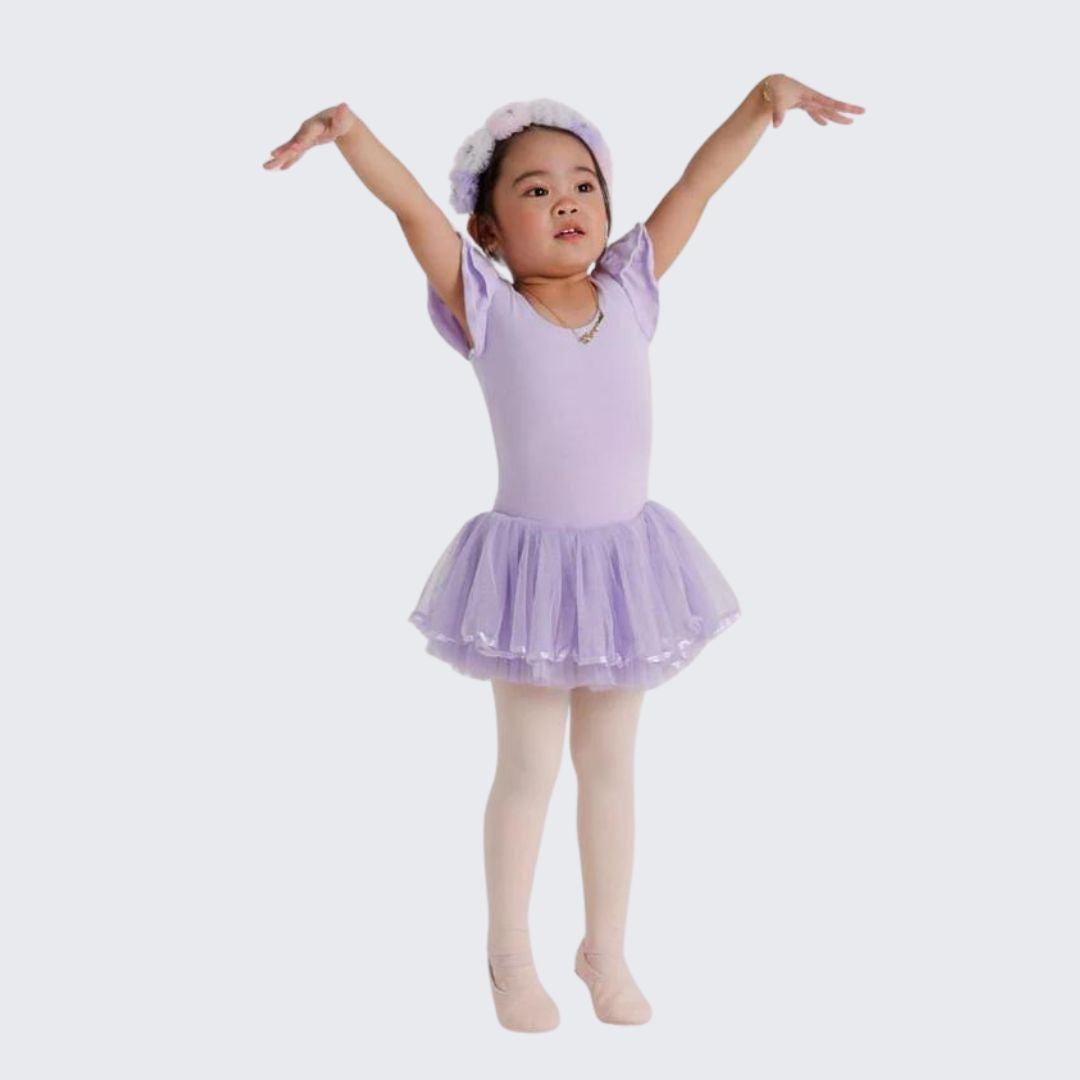
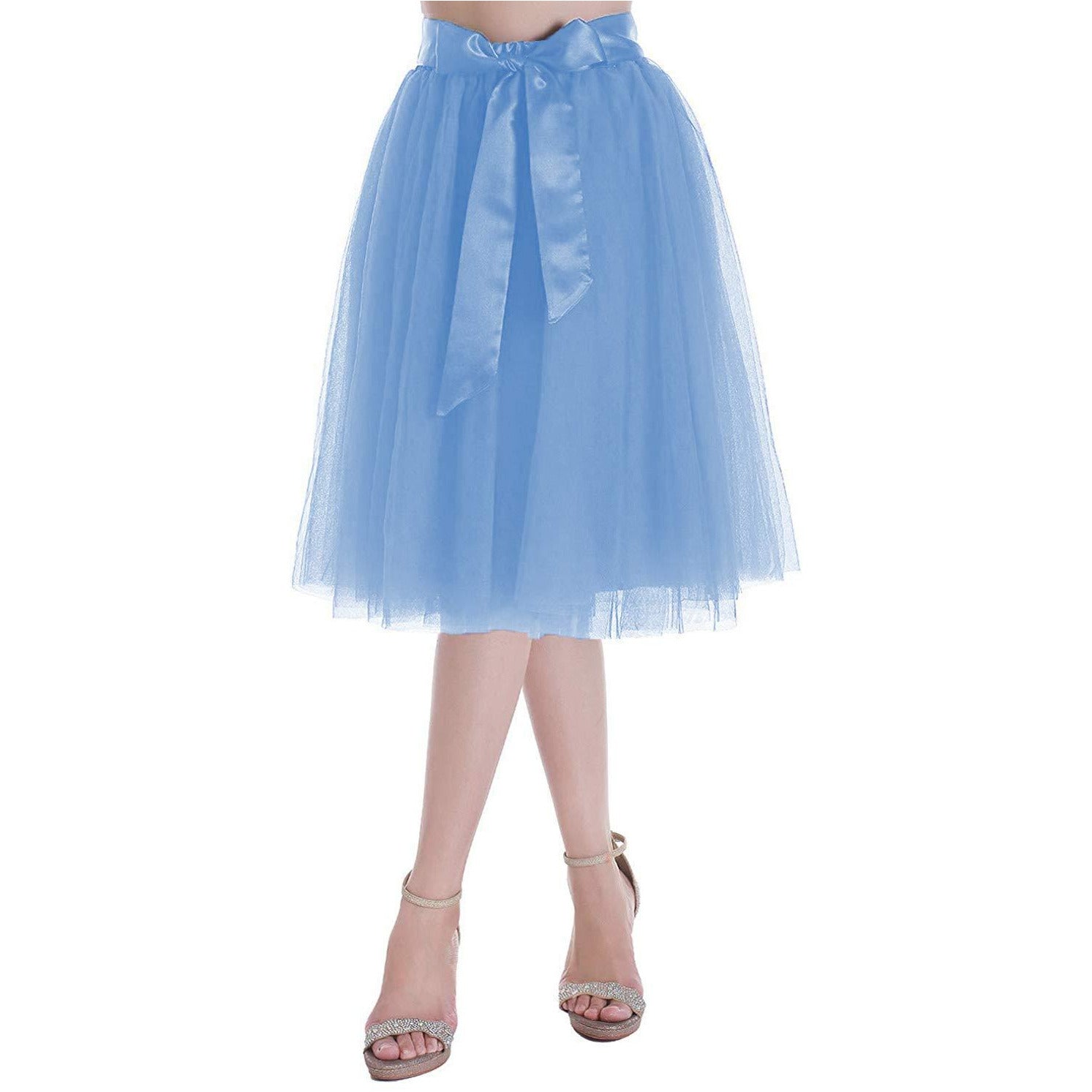
A lovely holiday look should let your little one move, sit, and enjoy family time. The Christmas season can still feel special when comfort guides each choice. The pictures on our blog are created using artificial intelligence to bring our learning content to life. We hope they make reading more joyful.
Finding the Perfect Blend: Hypoallergenic Fabrics for Festive Fun
For many children with eczema-prone or sensitive skin, smooth organic cotton is a practical first choice because it feels soft, allows airflow, and is easy to wash. Bamboo and Tencel can also feel silky and light. Fabric alone does not guarantee comfort, so check the finish, dye, seams, waistband, and decorations. The best choice is the one your little one can wear without itching, overheating, or repeatedly tugging at the clothing.
| Fabric or feature | Why it may work | What to check |
|---|---|---|
| Organic cotton | Soft, breathable, washable, and familiar against the skin | Look for a smooth finish and fragrance-free laundering |
| Bamboo | Lightweight with a smooth hand feel for warm indoor gatherings | Check the finished fabric, seams, and care instructions |
| Tencel | Silky and breathable, which may suit children who dislike rough texture | Confirm that trims and linings feel equally soft |
| Wool, polyester, or metallic blends | May add warmth or festive shine | Test carefully for prickliness, heat, static, and skin irritation |
Certifications offer useful clues. Global Organic Textile Standard, often called GOTS, addresses organic fiber content and processing requirements. OEKO-TEX Standard 100 indicates that tested textile components have been checked for certain harmful substances. These labels do not replace a personal comfort check, since soft fabric can still have a rough seam or irritating trim.
Winter dryness can make skin more reactive. Pediatric dermatology guidance commonly emphasizes gentle cleansing, fragrance-free laundry products, and soft clothing for children prone to eczema. Wash a new outfit before wearing it with fragrance-free detergent and an extra rinse if needed. A hypoallergenic Christmas outfit for kids with sensitive skin should feel breathable indoors, not trap sweat beneath a thick synthetic layer.
Decoding Holiday Garment Pitfalls: What to Watch Out For

Festive clothing can look soft outside while hiding irritating details inside. Metallic thread may feel sharp against the neck or wrists. Sequins can catch on skin. Stiff tulle may scratch the legs, and embroidery backing can rub across the chest. Interior tags, nylon seams, elastic edges, and stiff appliques may bother a child who notices texture quickly or seeks extra sensory input.
Before purchasing, turn the garment inside out. Run clean fingertips across the seam allowances, collar, cuffs, waistband, and decorative panels. Check whether the lining covers embroidery or sequins. Look for a printed label instead of a sewn tag, flat seams instead of raised ones, and decorations away from areas that bend or sweat. If the garment feels scratchy to you, it may feel even more distracting to your little one.
Buyer Checklist
- Check the fiber content and choose a soft, breathable base.
- Inspect the inside for loose threads, rough stitching, and exposed backing.
- Feel every applique, sequin, metallic thread, and glittered area.
- Look for a tag-free neck or a label that can be removed cleanly.
- Choose gentle, colorfast dyes when the care label provides that information.
- Wash the outfit before use with fragrance-free detergent.
- Confirm that the waistband, cuffs, and collar do not pinch or scrape.
- Keep a soft cotton layer between decorative fabric and your little one’s skin when needed.
Ask your little one to describe the sensation before the holiday gathering. “Scratchy,” “hot,” “tight,” or “heavy” are useful clues, not complaints to dismiss. A hypoallergenic Christmas outfit for kids with sensitive skin should support movement and ease rather than require constant adjusting. If a rash, swelling, or persistent irritation appears, remove the garment and speak with your child’s healthcare professional.
Smart Styling & Safety: Car Seats, Layers, and Bathroom Breaks
Festive dressing works best when your little one can move through the day comfortably. For outdoor walks, begin with a thin, soft base layer, then add a lightweight sweater or cardigan that can come off indoors. This manages the shift from cold sidewalks to warm homes without trapping sweat against the skin. A cotton undershirt, flexible pants, and removable socks or sweater often provide more comfort than one thick holiday costume. The Christmas season can feel cheerful with simple colors, festive accessories, and adjustable layers.
Take car seat safety seriously during winter travel. Bulky coats, puffy vests, thick snowsuits, and padded holiday outfits can leave hidden space beneath the harness. National Highway Traffic Safety Administration guidance warns that winter layers can add as much as 4 inches of harness slack, reducing protection in a crash. Remove the bulky outer layer before securing your little one. Fasten the harness snugly over close-fitting clothing, then place a blanket over the straps. A child passenger safety technician can check the fit if you are unsure.
Bathroom access also matters, especially for a potty-training toddler. Choose separates, elastic-waist pants, or a dress with leggings instead of complicated back closures and tight one-piece garments. Check that snaps open easily and sleeves do not drag near the sink. Pack a spare outfit, extra underwear, fragrance-free wipes, and a small bag for damp clothing. Practice the fastening before leaving home. Christmas clothing should support quick bathroom breaks, comfortable sitting, and easy movement during a family gathering.
Your 72-Hour Holiday Outfit Trial: Ensuring Comfort Before Christmas Day
A new outfit can look lovely on the hanger and still feel scratchy, tight, warm, or heavy after several minutes. Try it at home before the celebration so your little one can identify a bothersome seam, tag, waistband, sleeve, or decoration while there is time to change. Watch how the clothing works during sitting, walking, play, meals, and bathroom breaks.
A Simple Three-Day Comfort Check
- Day one, inspect and wash. Turn the garment inside out and check the collar, cuffs, waistband, closures, seams, and decorative backing. Remove a loose tag only if doing so will not damage the garment. Wash it according to the care instructions with fragrance-free detergent, let it dry fully, and notice whether the fabric changes texture.
- Day two, try the base outfit. Have your little one wear the clothing at home for about 20 to 30 minutes over the planned underlayer. Ask: “Does anything scratch?” “Does anything feel tight?” “Are you too warm?” Watch for tugging, rubbing, repeated scratching, shoulder lifting, or reluctance to sit. These actions may show discomfort even when your little one cannot describe it clearly.
- Day three, rehearse the full routine. Add the planned sweater, socks, shoes, and accessories. Practice sitting at the table, getting into and out of a chair, walking, and using the bathroom. If travel is planned, check that the clothing allows a snug car seat harness over the proper base layer. Stop if itching, redness, overheating, or distress appears.
- Decide before the event. Keep the outfit only if your little one can move and participate without frequent adjustments. Replace scratchy decorations, add a soft barrier layer, alter a troublesome closure, or choose a simpler option. If a rash or continuing irritation develops, remove the garment and contact your child’s healthcare professional.
Keep the final choice easy to reach on the morning of the gathering. Pack a familiar backup outfit, spare socks, and any skin-care items your family already uses. This plan can prevent a rushed dressing battle and help your little one enjoy the celebration with greater ease.
Frequently Asked Questions
What is the most hypoallergenic fabric for sensitive skin?
Organic cotton is often a practical hypoallergenic fabric for children with sensitive skin because it is soft, breathable, and easy to wash. Bamboo and Tencel may also feel smooth and light. Check seams, dyes, labels, and decorations, since fabric alone does not guarantee comfort.
What type of fabric is best for children with eczema?
Soft, breathable organic cotton is often a good fabric choice for children with eczema-prone skin. A smooth finish, gentle seams, and fragrance-free laundering can help reduce irritation. Wash a new Christmas outfit before use, and remove any garment that causes itching, redness, swelling, or ongoing discomfort.
What are some good clothes brands for children with sensory issues?
Good clothing brands for children with sensory issues are those that offer soft fabrics, flat seams, tag-free labels, flexible waistbands, and simple decorations. Brand names matter less than the garment’s actual feel and construction. Turn clothing inside out before buying, and choose pieces your child can wear without repeated adjusting.
Which clothing does not cause allergies?
No clothing guarantees that a child will avoid allergies or skin irritation, but soft organic cotton clothing is often a sensible starting point. Bamboo and Tencel may suit children who prefer a silky texture. Avoid rough seams, exposed embroidery backing, scratchy metallic thread, and strongly scented laundry products.
What are some hypoallergenic clothing brands?
Hypoallergenic clothing brands should clearly list soft fibers, gentle finishes, and features such as flat seams or tag-free labels. Look for certifications such as GOTS or OEKO-TEX Standard 100, while remembering that labels do not guarantee personal comfort. Inspect trims and wash each new outfit with fragrance-free detergent.
How can I choose a Christmas outfit for a child with sensitive skin?
A children’s handwriting practice should use a soft, breathable base and have smooth seams, a comfortable waistband, and minimal scratchy decorations. Let your child describe sensations such as hot, tight, heavy, or scratchy. For travel, keep bulky layers out from under the car seat harness.
