


circle skirt vs straight skirt for swing dancing
If you are comparing a circle skirt vs straight skirt for swing dancing, start with movement rather than appearance. A circle cut gives the legs room for rock steps, swingouts, Charleston kicks, and tuck turns. A straight cut can feel neat and controlled, yet its narrower hem may limit a wide stride. The right choice depends on how freely your little one needs to move, how quickly the skirt flares, and how secure the layers feel during turns.
Key Takeaways
- A circle skirt gives your child the freedom to move through every step and kick without pulling or binding.
- A straight skirt stays neat and close to the body, but its narrow hem can slow down a wide swingout or quick Charleston.
- The way a skirt flares during a spin matters a lot: a circle cut lifts and twirls easily, while a straight cut tends to stay flat.
- Think about how secure the skirt feels when your little one turns. A circle skirt often has more fabric to manage, so layers that feel safe are important.
- Let your child try both styles on the dance floor. The best choice is the one that lets them move with confidence and joy.
I compare each style through a dancer-first lens: stride mobility, hem behavior, twirl dynamics, modesty, and comfort beside a partner on a busy social floor. These details matter more than a vintage silhouette alone.
How We Compared Circle and Straight Skirts for Swing Dancing
What Matters Most on the Social Dance Floor
Stride mobility comes first. Lindy Hop and East Coast Swing use rock steps, triple steps, kick steps, swingouts, and quick changes of direction. A skirt should let the knees and feet travel naturally without pulling across the hips. Research discussions on straight and pencil skirt construction commonly describe a stride opening of about 14 to 18 inches without a high slit. That limited opening can restrict larger steps, especially during athletic footwork. A walking vent may add room, but it also creates a point where the leg can show.
Twirl behavior depends on hem circumference, fabric weight, and the skirt’s attachment at the waist. A full circle skirt has a 360-degree hem circumference. At rotational speeds above 120 beats per minute, research summarized by sewing specialists shows that the hem can expand outward and approach a horizontal line. That flare creates a clear visual effect during a tuck turn, while also calling for secure modesty layers. A straight skirt stays closer to the legs, producing less centrifugal flare and less fabric movement around a partner.
Comfort includes more than softness. Heavy gathers can create warmth and friction at the waist, while excess fabric may brush against a partner during a close pass. A lighter drape can move easily, but very light fabric may lift more readily. A hem that spreads widely can make foot placement harder to see for your little one, while a narrow hem can make leg extension feel cramped. Observe these differences during a slow practice round before faster music begins.
Circle Skirt vs Straight Skirt: Side-by-Side Comparison

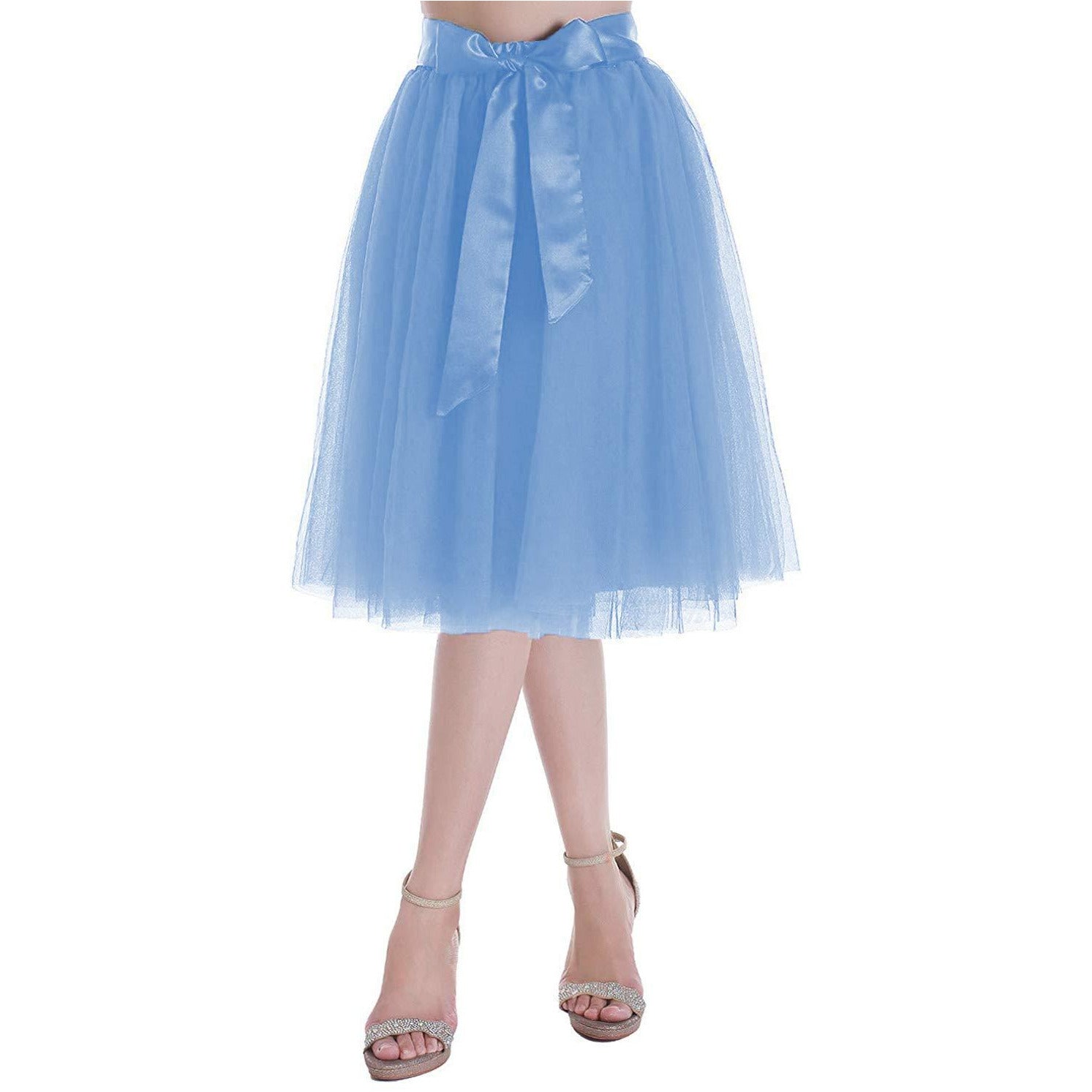
This comparison shows why there is no single best cut for every swing dancer. The circle skirt generally supports expansive movement and a classic swing silhouette. The straight skirt stays compact and can suit dancers who prefer a close fit. Fabric stretch, waist security, hem finish, and length still affect the experience. For more options, browse tulle skirts for dancers designed for expressive movement.
| Feature | Circle skirt | Straight skirt |
|---|---|---|
| Stride mobility | Allows broad steps, knee bends, kicks, and quick directional changes. | May restrict leg separation, especially without stretch or a walking vent. |
| Twirl factor | Creates strong outward flare during spins and tuck turns. | Stays near the legs with limited outward movement. |
| Hem behavior | Moves in a wide arc and can lift close to horizontal during fast rotation. | Maintains a smaller profile and is less likely to brush nearby dancers. |
| Footwork visibility | Fabric movement can make lower-leg placement harder to follow. | Leaves the leg line more defined during rock steps. |
| Social-floor safety | Needs secure layers and enough space for the moving hem. | Needs freedom at the knees and hips so steps do not become shortened. |
| Vintage style | Delivers the familiar full swing shape and dramatic motion. | Creates a polished, streamlined retro outline. |
For Lindy Hop, a circle skirt often feels more forgiving during swingouts, side-by-side Charleston, and open-position travel. Its extra cloth follows the body instead of stopping at the thighs. The tradeoff is movement management: a partner lead may pass close to the hem, and a fast turn can send fabric outward. Secure shorts or another suitable modesty layer should be part of the plan. Flowy dance shorts with built-in coverage can help support confident movement.
A straight or pencil skirt can work for East Coast Swing and simpler Lindy Hop patterns when it has enough stretch, a comfortable waistband, and room for a natural step. It may feel less suitable for deep knee action, large kicks, or full leg extension. Have your little one try a rock step, triple step, swingout shape, and slow tuck turn. If the hem pulls, twists, or shortens the step, the cut does not provide enough movement.
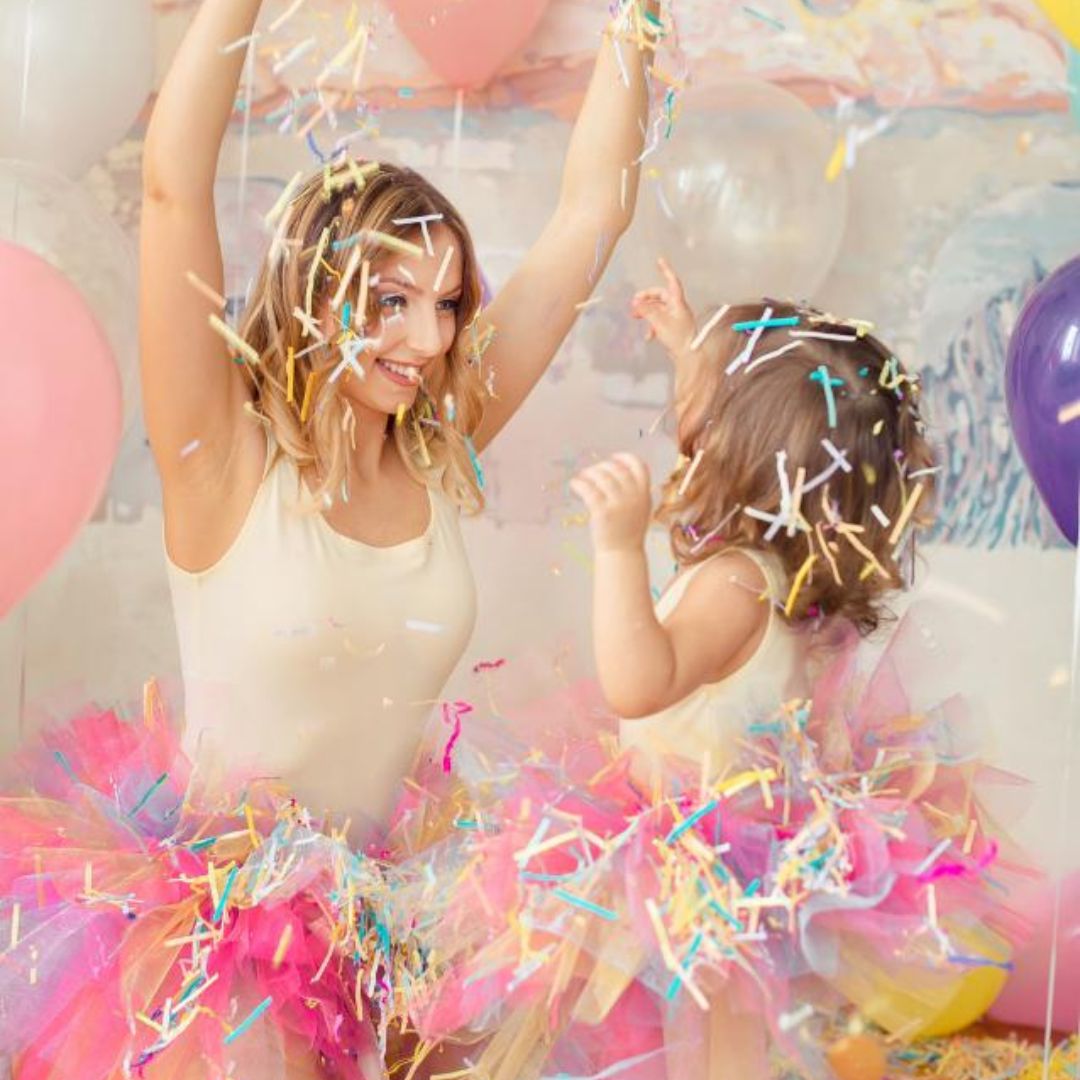
The pictures on our blog are created using artificial intelligence to bring our learning content to life. We hope they make reading more engaging.
The Dancer’s Guide to Choosing Your Swing Skirt
When I compare a circle skirt vs straight skirt for swing dancing, I start with how the garment behaves during movement. Your little one needs room for a rock step, triple step, swingout, Charleston kick, and tuck turn. Look for a waistband that stays in place, a hem that clears the feet, and fabric that moves without pulling across the hips. A lovely silhouette matters, yet freedom of movement and secure coverage matter more on a busy social floor.
Fabric Weight and Drape
Fabric weight shapes both twirl and comfort. A medium-weight woven fabric can hold a clear circle while staying manageable beside a dance partner. Very light fabric may lift readily during a spin, so secure modesty layers become especially useful. Heavy fabric can create warmth, friction, and a dragging sensation around the waist. Bias-cut panels often follow the body with a softer drape, while a gathered waist adds fullness near the middle. Choose fabric with enough movement for a swingout, yet not so much bulk that it tangles around the legs.
Undergarments and Modesty Layers
A full skirt can flare widely during a tuck turn or fast rotation. Fitted shorts, dance briefs, or another comfortable modesty layer can help your little one move securely. The layer should sit smoothly beneath the waistband, stay covered beneath the hem, and allow the hips to bend freely. Check the fit with walking, a knee bend, and several slow turns. Loose fabric can bunch, while tight elastic can rub during repeated steps. Coverage should support movement without adding heat or restricting the legs.
Hem Length and Safety Tips
Choose a hem that stays clear of the shoes during walking and turning. A very long skirt can hide foot placement or brush a partner’s foot. A very short hem may offer less coverage when the fabric rises during rotation. Test the skirt with the shoes your little one will wear, then practice a rock step, side pass, swingout shape, and tuck turn. Leave enough room for the hem to travel without striking nearby dancers.
For a straight skirt, check the knee and hip area before choosing it for Lindy Hop or East Coast Swing. Stretch or a walking vent may allow a natural stride, yet the opening should not catch during direction changes. For a circle skirt, focus on hem control, waist security, and modesty layers. The best choice lets your little one complete the steps comfortably while staying aware of nearby feet and partners.
Frequently Asked Questions About Swing Skirts
Can you Lindy Hop in a straight skirt?
Yes, your little one can Lindy Hop in a straight skirt if the fabric stretches and the cut allows the knees and hips to move freely. Test a rock step, triple step, swingout, and side-by-side Charleston before dancing at full speed. A pencil-style skirt with limited leg room may shorten the stride or pull during a deep knee bend. A walking vent can add space, yet it may reveal more of the leg during kicks and turns. Choose the straight cut only when it supports natural footwork without twisting at the waist.
How does hem circumference affect spins and tuck turns?
Hem circumference controls how far fabric travels during rotation. A full circle skirt has a 360-degree hem, so it can spread outward during a fast tuck turn or spin. Sewing specialists note that this flare becomes especially noticeable above 120 beats per minute. You can read the source discussion about circle skirt movement for added garment-construction context. A straighter hem stays nearer the legs, which can make partner spacing easier to judge. Your little one still needs enough room for steps, since a narrow hem can catch at the knees.
What undergarments help prevent exposure?
Fitted shorts, dance briefs, or another smooth modesty layer can provide coverage beneath a circle skirt. Select a layer that stays flat under the waistband, moves with the hips, and does not bunch during repeated turns. Practice walking, bending, kicking, and spinning before the social dance. Check that the layer remains covered by the hem and does not rub the upper legs. Treat modesty layers as part of the outfit’s movement check, not as an afterthought, so your little one can enjoy swing steps with greater ease and awareness of nearby partners.
Frequently Asked Questions
Is a circle skirt flattering for swing dancing?
A circle skirt is flattering for swing dancing because its full shape defines the waist and flows away from the hips. The cut creates a classic vintage outline and gives room for rock steps, kicks, swingouts, and turns. Secure shorts or another modesty layer can help your little one move freely during spins.
Is 2 yards enough for a circle skirt?
Two yards may be enough for a child’s circle skirt, but the amount depends on waist size, skirt length, fabric width, and the number of panels. A shorter skirt for a small child usually needs less fabric than a longer full circle. Check the sewing pattern before buying fabric, and allow extra material for matching and mistakes.
What is a swing skirt?
A swing skirt is a skirt designed with enough fullness or stretch for swing dance movement. Circle skirts are a popular swing skirt choice because they allow broad steps and create a visible flare during turns. A straight swing skirt can also work if the fabric, waistband, and hem allow comfortable knee and hip movement.
What is the difference between a skater skirt and a circle skirt?
A skater skirt is usually a shorter, flared skirt with less fullness than a full circle skirt. A circle skirt uses a full circular shape, so it offers more hem movement and a stronger twirl during swing dancing. For a little one, both styles should have a secure waistband, safe length, and enough room for steps.
How can you tell if a skirt is a circle skirt?
You can tell a skirt is a circle skirt when the fabric forms a full circle around the waist and the hem spreads widely from the body. Lay the skirt flat and look for a rounded waist opening with a continuous curved shape. A full circle skirt usually has more twirl and stride room than a straight skirt.
Is a circle skirt or straight skirt better for swing dancing?
A circle skirt is usually better for swing dancing when your little one needs broad steps, kicks, swingouts, and a strong twirl. A straight skirt may suit simpler steps and dancers who prefer a compact outline, provided it does not restrict the knees or hips. Try both with a rock step and slow turn before faster music.
What should a child wear under a circle skirt for swing dancing?
Secure dance shorts or another suitable modesty layer should be worn under a circle skirt for swing dancing. A full circle skirt can flare outward during tuck turns and quick spins, so coverage should stay in place as the hem moves. Check the waistband, leg openings, and skirt length before using the outfit on a busy floor.
