

custom leotards
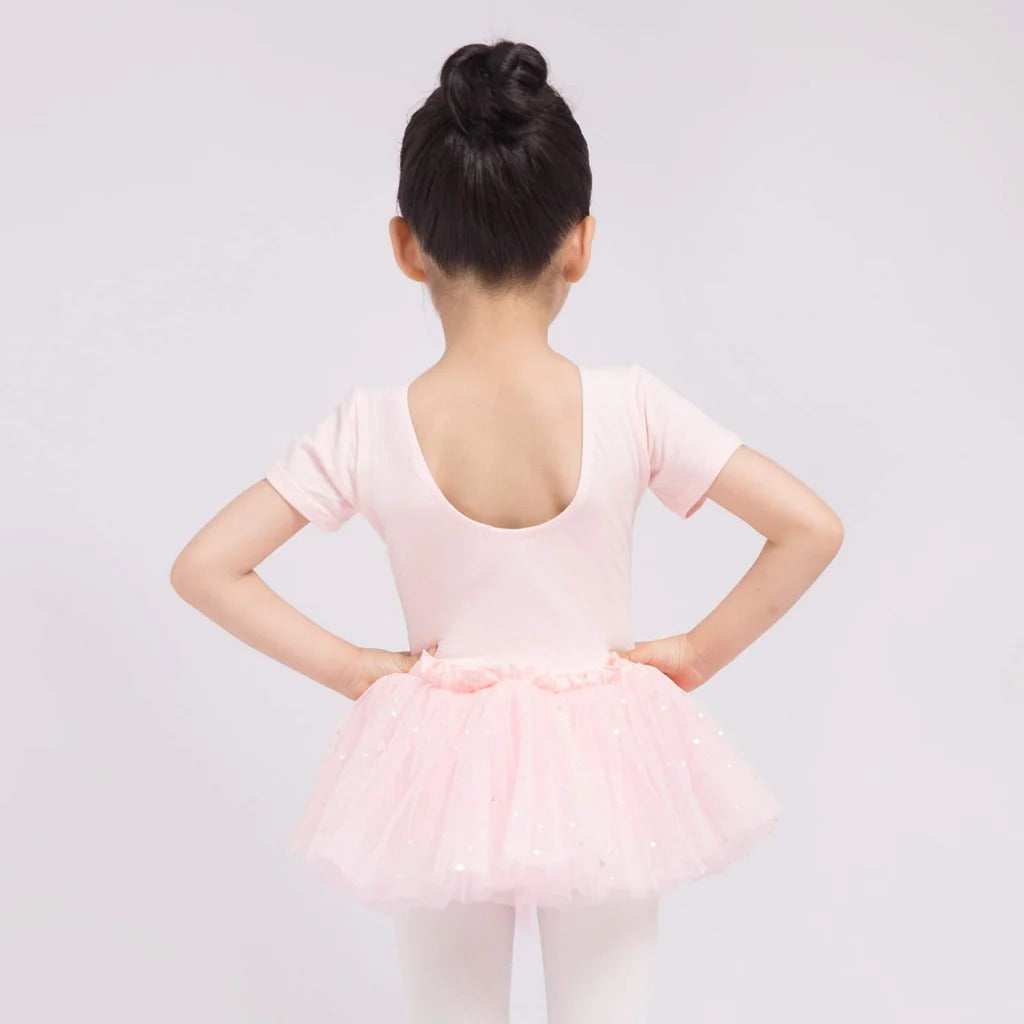
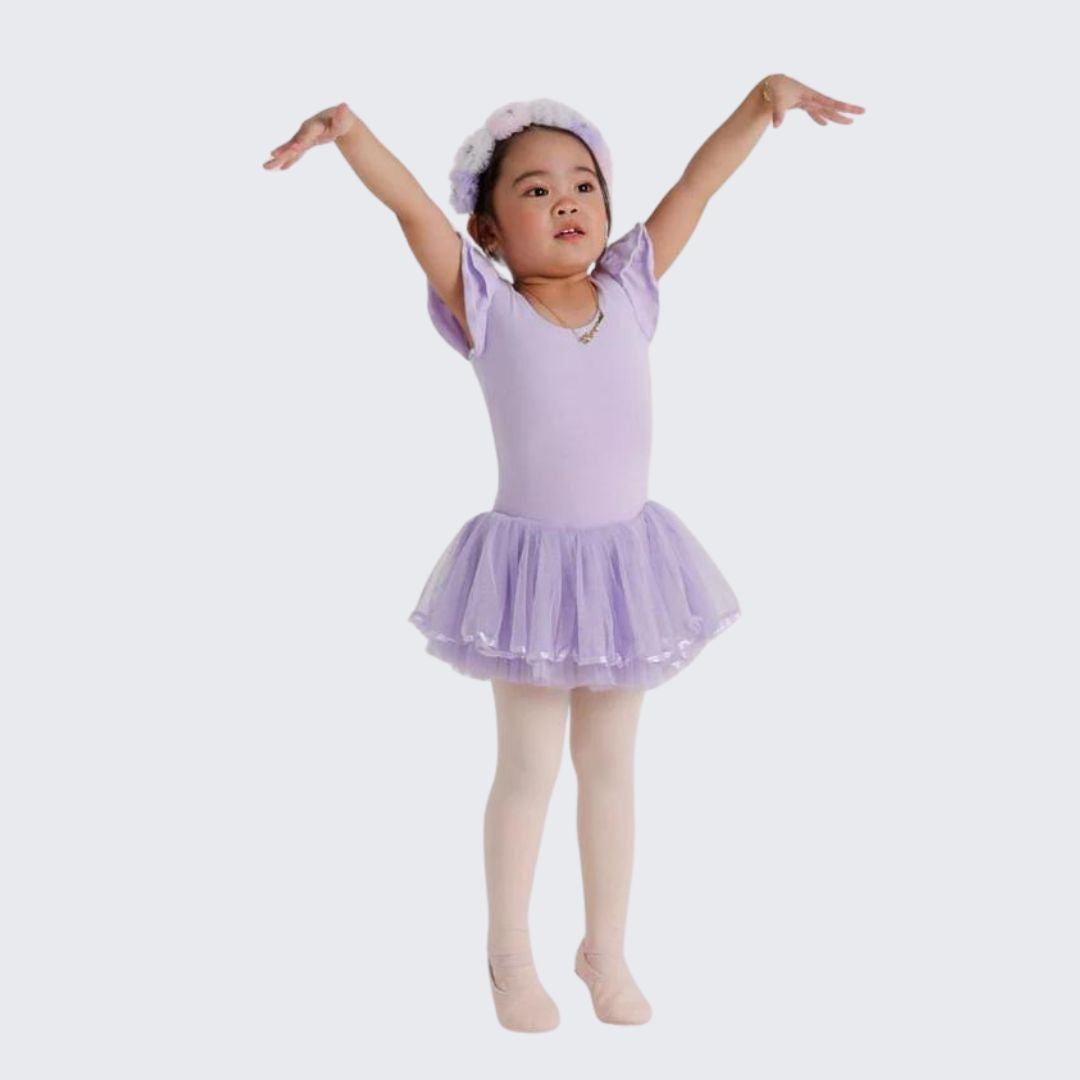
Fit should come before color, sparkle, or a digital design preview. With custom leotards, an error in torso length or shoulder width can cause riding, pinching, loose fabric, or restricted arm movement. Measure your little one carefully, then check how the maker defines each measurement before ordering.
Key Takeaways
- Measure your child carefully for torso length and shoulder width before picking a custom leotard design.
- A bad fit can make even the prettiest leotard uncomfortable and hard to move in.
- Every custom leotard maker has their own way of measuring, so always double check their guide before you order.
- Skip the sparkle and color decisions until you are sure the basic size will work for your little dancer.
- Ask the maker how they define each measurement to avoid common problems like riding or pinching.
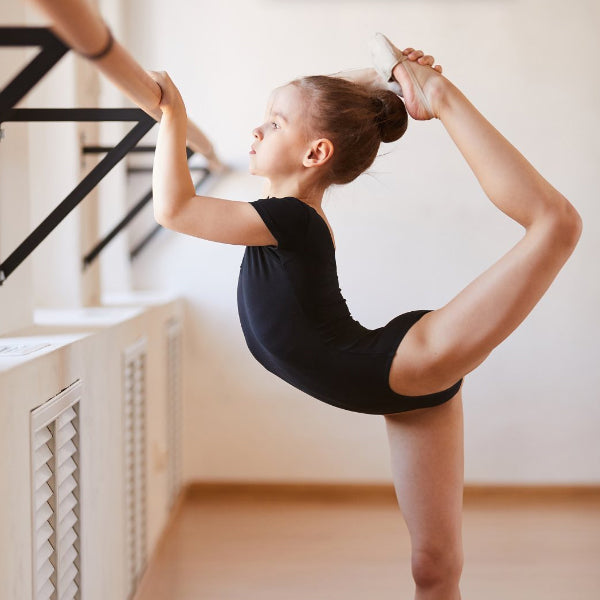
This guide draws on my experience teaching movement and helping families consider practical learning needs. A lovely design works only when your little one can stretch, turn, and raise both arms comfortably.
Understanding Your Custom Leotard Needs: Fit is Everything
Choose a maker that explains its measurement method, size chart, seam construction, and alteration policy. Pay closest attention to torso girth and shoulder width. A garment can match the chest and waist yet still feel wrong if the body length is short or the armholes are narrow. Fit should allow full movement without bagging across the lower back or pulling at the leg openings.
Most custom leotards are customized from a set pattern. You may select colors, neckline details, sleeve length, panels, or embellishments, while the maker adjusts the garment within its sizing system. True bespoke work is more individualized, using a pattern created from personal measurements, fitting revisions, and separate decisions about placement and construction. Ask which service you are receiving so expectations remain clear.
For a team order, request one approved sample before committing to every size. Check the neckline depth, leg cut, underwear visibility, stitching, and color under indoor lighting. A screen preview cannot show the exact hand of the fabric or how trim sits during movement. A fit review protects comfort and helps your little one focus on practice rather than adjusting clothing.
The Precision Fit Blueprint: Measuring for Perfection

Girth deserves the most care. Apparel technicians measure it as a loop from the high point of the shoulder, down the front of the body, between the legs, and back to the starting point. Keep the tape level and close to the body, with enough ease for movement but no slack. Girth measurement errors account for many fit-related returns and alteration requests in custom dancewear, so measure twice and record the result before using a size chart.
Measure in Five Steps
- Prepare the posture. Have your little one stand naturally in a thin fitted layer, with feet comfortably together. Do not pull the shoulders back or hold the stomach in.
- Measure torso girth. Place the tape at the top of one shoulder, guide it down the front, through the legs, and up the back to the starting point. Keep the tape snug, not tight.
- Measure shoulder width. Measure from the outer shoulder point across the upper back to the opposite shoulder point. Do not measure along the front of the body.
- Record body measurements. Measure the fullest part of the chest, natural waist, and fullest part of the hips. Keep the tape parallel to the floor.
- Compare the chart. Match the measurements to the maker’s chart, giving torso girth priority when sizes do not align. Ask before choosing a larger size, since extra width may create loose armholes or back fabric.
Before You Submit the Order
- Measure on the same day you plan to order.
- Take each measurement twice and write down both readings.
- Keep the tape flat without twisting or pressing into the skin.
- Note whether the maker requests a relaxed or stretched measurement.
- Ask how narrow shoulders, long torsos, or two different size ranges are handled.
- Save the final measurements, size selection, design proof, and approval date.
These steps help separate a sizing issue from a pattern issue. A short torso measurement may cause riding at the leg openings, while excess length can create lower-back bagging. Shoulder width that is too small may cause painful pinching during arm extension. Precise notes give the maker useful information and help your little one move comfortably in custom leotards.
Fabric, Design, and Discipline: Making Informed Choices
Fabric affects stretch, recovery, comfort, appearance, and care. Choose material that supports full movement rather than selecting only by shine or color. Lycra offers reliable stretch and a smooth finish for training and performance. Mystique has a metallic surface, though heat and rough washing can damage its foil finish. Mesh adds ventilation or visual detail but may need careful placement around the shoulders and armholes. Velvet feels soft and rich, yet its nap can change the color’s appearance as your little one moves.
| Fabric or finish | Useful qualities | Check before ordering |
|---|---|---|
| Lycra | Stretch, recovery, smooth surface | Confirm lining, opacity, and seam stretch |
| Mystique | Metallic shine and stage visibility | Ask about foil heat sensitivity and washing |
| Mesh | Lightweight coverage and ventilation | Inspect placement, edging, and snag resistance |
| Velvet | Soft texture and rich visual depth | Check nap direction, weight, and care instructions |
Design methods affect price and durability. Dye-sublimation prints place color into the fabric, creating detailed panels without raised decoration. Rhinestones, foil, appliqué, and other embellishments add stage sparkle, but each attachment point deserves inspection. Ask for a final proof identifying colors, neckline depth, sleeve length, leg cut, trim placement, and embellishment locations. Digital previews can differ from finished fabric under indoor lighting, so written approval helps prevent surprises.
Gymnastics usually calls for secure coverage, dependable stretch, and construction that tolerates repeated arm extension, bridges, and floor work. Ballet often favors clean lines, controlled coverage, and a lighter visual treatment. Contemporary dance may allow more texture, mesh, or asymmetry while still requiring unrestricted movement. For a ready-made illustration, the Marble Line Gymnastics Leotards for Girls with Matching Shorts - Aqua & Gold Set shows how color and coordinated styling can create a finished performance look. The Marble Line Gymnastics Leotards for Girls with Matching Shorts - Aqua & Gold Set is a useful reference for discussing color balance, though a made-to-order design still requires its own fabric, construction, and care checks.
Budgeting, Lead Times, and Finding Your Maker
Set the budget before approving a design. Research from Eleve Dancewear shows that competition garments can range from about $65 to $90 for sleeveless sublimated styles and from $250 to $450 or more for long-sleeve designs with detailed rhinestone placement. The final price may include pattern work, fabric, lining, sleeves, appliqué, crystals, shipping, rush fees, and alterations. Ask for an itemized quote so a low starting price does not hide added charges.
| Order type | Typical planning considerations | Questions to ask |
|---|---|---|
| Individual order | One garment, one measurement set, possible customization fee | Is a design proof, sample, or alteration review included? |
| Team order | Multiple sizes, shared artwork, sample approval, possible quantity pricing | Will every size use the same fabric, trim, and color formula? |
| Embellished design | Additional labor, attachment time, and care requirements | How are loose stones, repairs, and missing pieces handled? |
Production commonly takes 6 to 10 weeks. Research on seasonal ordering indicates that winter competition schedules may require 12 to 14 weeks of planning. Count backward from the first required wear date, not the event date, allowing time for proof approval, shipping, inspection, and a possible correction. A dependable maker should explain thread construction, seam tension, color matching, embellishment placement, and the process for reporting a defect. Request written confirmation of the neckline, leg cut, sleeve length, fabric, sizes, and delivery date.
Order and Care Checklist
- Confirm the full price, shipping charge, rush fee, and alteration policy.
- Approve a final design proof with colors and decoration clearly identified.
- Leave extra calendar time before a recital, meet, or photo session.
- Inspect seams, armholes, closures, lining, and embellishments upon arrival.
- Follow the care label. Hand washing in cool water is the safer choice for metallic fabric or rhinestones.
- Skip bleach, high heat, wringing, and rough surfaces that can lift foil or loosen stones.
- Lay the garment flat or hang it as directed, fully dry, before storage.
Choose clear production terms over the most elaborate decoration. A well-sewn garment with consistent stretch and a confirmed delivery date serves your little one better than a design that arrives late or needs repeated repairs. Keep the proof, measurements, invoice, and care instructions together for future orders.
Frequently Asked Questions
Can I create my own custom leotard?
Handwriting exercises for children can be created by choosing colors, fabric, neckline, sleeves, panels, and embellishments through a dancewear maker. Most makers adjust a standard pattern, while true bespoke work uses personal measurements and fitting revisions. I recommend confirming the service type, measurement method, size chart, and alteration policy before ordering.
Where can I find writing practice for children for dance?
Children’s handwriting practice for dance are available from specialty dancewear makers, local costume studios, and online custom apparel shops. Choose a maker that explains torso girth, shoulder width, fabric stretch, seam construction, and care instructions. Ask for a sample or fitting review if you are placing a team order.
Can I design my own leotard online for free?
Some online leotard makers offer free design tools or digital previews, but the finished garment usually has a separate cost. A preview can show colors and placement, yet it cannot confirm fabric feel, trim position, or fit during movement. Check the final proof and measurement requirements before approving an order.
How much do handwriting exercises for children typically cost?
Writing practice for children typically cost more than ready-made styles because the price may include special fabric, design work, alterations, and embellishments. The final amount varies by maker, construction, fabric, sleeves, lining, and decoration. Request a complete quote that includes shipping, alterations, and any team-order requirements.
Where can I get children’s handwriting practice for a child?
Handwriting exercises for children for a child can be ordered from dancewear makers that serve young dancers and understand growing bodies. Before choosing one, ask how the maker handles long torsos, narrow shoulders, mixed size measurements, and alterations. Measure torso girth twice, compare the maker’s chart, and save the approved design details.
What should I check before ordering writing practice for children?
Children’s handwriting practice should be checked for torso girth, shoulder width, armhole comfort, leg coverage, neckline depth, fabric stretch, and care needs before ordering. Have your child move both arms overhead and stretch to spot pinching or riding. A written proof should list colors, sleeves, trim, embellishment placement, and size selection.
