

dance skirts for women
Choosing dance skirts for women becomes easier when you start with movement, not appearance. The right skirt should stay in place through pliés, turns, and traveling steps while giving you the coverage and ease your class requires. I look first at the waistband, rise, length, fabric weight, and closure. These details shape how freely you move and how often you adjust your clothing.
Key Takeaways
- When selecting dance skirts, prioritize how they perform during movement rather than just how they look.
- A good dance skirt stays put through various steps like pliés and turns, offering necessary coverage and freedom.
- Key features to consider include the waistband, rise, length, fabric weight, and closure type.
- These specific details significantly influence your ability to move freely and minimize clothing adjustments during class.
I am Andrea Schiffer, founder of Dancina, 2001 Swing Dance World Champion, and Amazon bestselling educational author. I believe good practice grows slowly and steadily. A well-fitting skirt can support that process by letting you focus on posture, musicality, and the next step instead of a slipping tie or shifting hem. The pictures on our blog are created using artificial intelligence to bring our learning content to life. We hope they make reading more engaging.
Finding the Perfect Dance Skirt: A Dancer's Guide to Style and Fit
Choose a wrap skirt if you want adjustable coverage and a traditional ballet silhouette. Choose a pull-on style if you prefer a fixed waist and quick dressing. A SAB cut offers a shorter, shaped profile that shows the line of the legs while keeping fabric close to the body. For any style, check that the waistband sits level, the hip area does not pull, and the hem allows a full range of motion. Dance skirts for women should feel secure during movement and not require repeated tugging between combinations.
Fit problems often appear in small details. A wrap may loosen when its ties are too short, crossed at the wrong point, or placed over a smooth leotard. A pull-on skirt may ride upward if the elastic is too tight or the rise is too short. Extra fabric can bunch at the waist, while a narrow hem may limit a deep plié or arabesque. Before buying, measure the natural waist and fullest hip, then compare those measurements with the garment chart. Check whether the listed length is measured from the waistband or hip.
Studio expectations vary, so a simple silhouette usually works well for class. Adult beginners can ask the instructor whether a particular length, color, or coverage level suits the lesson. If you can walk, bend, lift one leg, and turn without adjusting the skirt, you have a strong starting point for steady practice.
Understanding Dance Skirt Styles: From Wrap to Pull-On and Beyond

The main silhouettes solve different movement needs. A ballet wrap skirt uses overlapping front panels and waist ties, creating an adjustable fit across the hips. A pull-on skirt uses elastic or a fixed waistband, so it is faster to put on and less likely to come undone. The SAB style, associated with School of American Ballet training, is generally shorter and more fitted through the hips. Its shaped line keeps the legs visible for alignment work while preserving a polished studio appearance.
| Style | Typical construction | Movement and fit notes | Best suited to |
|---|---|---|---|
| Classic wrap | Overlapping panels with waist ties | Adjustable coverage and a fluid hem. Tie placement needs care to reduce slipping or bunching. | Classical ballet, barre work, and dancers who prefer a traditional look |
| Pull-on | Elastic waist with a fixed circular or A-line shape | Quick to dress and consistent during turns. The waistband should lie flat without digging. | Recreational classes, warm-ups, and dancers who want fewer adjustments |
| SAB cut | Short, shaped profile with close hip placement | Shows the leg line and stays near the body. A correct rise prevents riding upward. | Classical training and studio settings that favor a clean silhouette |
For a dance skirt wrap, place the broad panel across the back or side according to the design, bring the ties around the waist, and secure them in a flat knot or bow. The waist should feel held without restricting breathing. A wrap hem may open during a high extension, so dancers who want consistent coverage often prefer a pull-on design or a skirt worn over suitable underlayers. Short dance skirts support visual leg checks, while longer cuts create more sweep during traveling movement. Your best choice depends on the class, your comfort, and how much adjustment you want during practice.
Fabric, Coverage, and Closure: Ensuring a Secure and Modest Fit
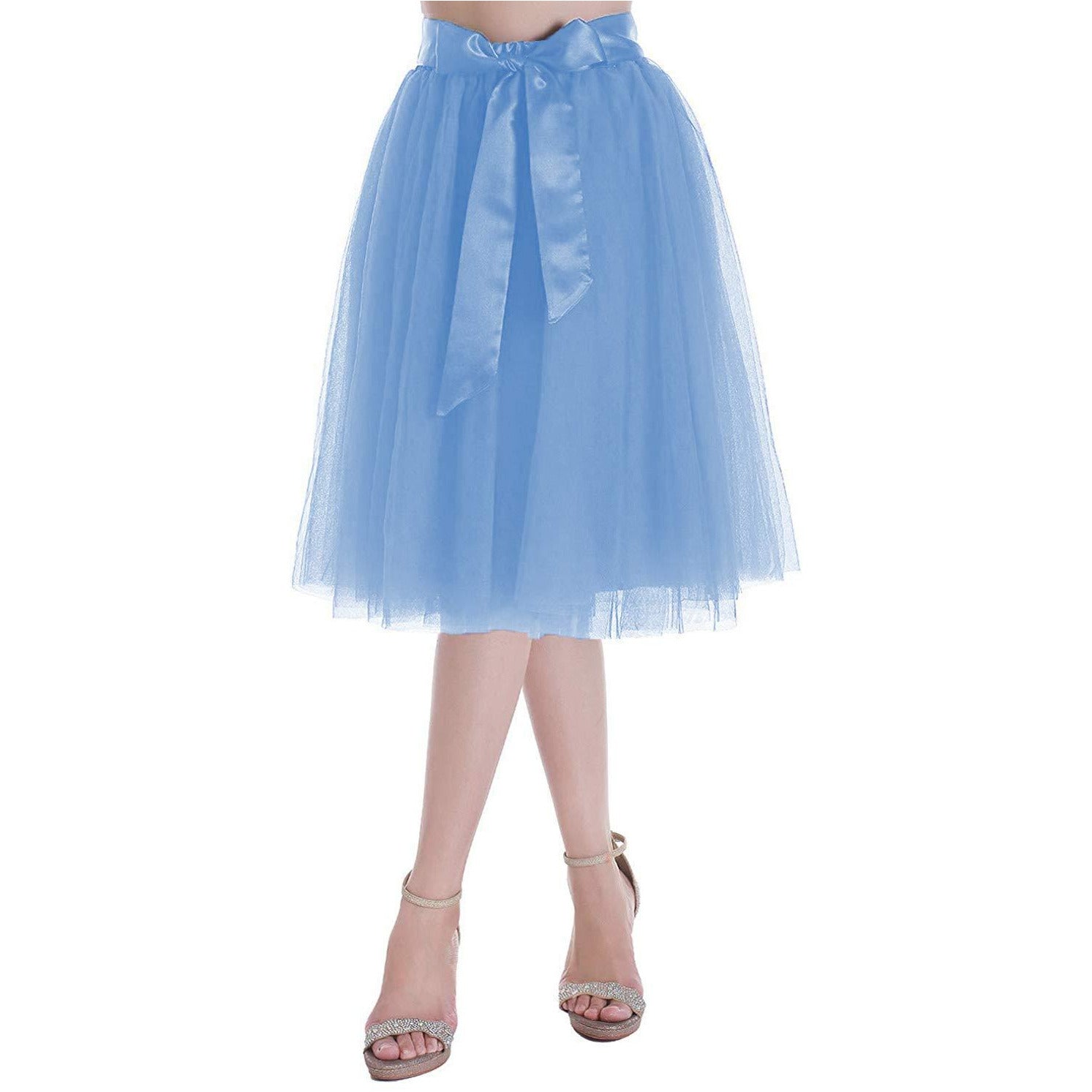
Fabric, coverage, and closure determine how confidently you can move in dance skirts for women. Chiffon gives a light drape and a soft, floating hem, so it suits classical ballet and gentle barre work. Mesh usually offers more stretch and airflow during longer classes. Milk silk has a smooth hand and fluid movement, though its lighter surface may show creases or cling to some underlayers. Consider the class temperature, the amount of turning, and whether you want the skirt to skim the body or move away from it.
| Fabric or feature | What it offers | What to check | Best use |
|---|---|---|---|
| Chiffon | Light drape and a delicate, flowing hem | Sheerness, seam finish, and snag resistance | Classical ballet and slower combinations |
| Mesh | Stretch, airflow, and close recovery after movement | Whether the mesh stretches evenly across the hips | Warm studios, repeated turns, and active practice |
| Milk silk | Smooth texture with fluid movement | Cling, wrinkling, and care instructions | Soft silhouettes and flowing dance skirts long in length |
| Built-in shorts | Consistent coverage with fewer separate layers | Leg opening, rise, and comfort during pliés | Recreational classes and active combinations |
| Waist ties | Adjustable placement around the waist or hips | Tie length, knot position, and slipping on smooth fabric | Wrap designs and changing fit preferences |
| Elastic waistband | Quick dressing and a consistent fit | Recovery, width, and whether it rolls or digs | Pull-on styles and frequent class changes |
Coverage deserves as much attention as appearance. A sheer skirt may require a leotard, dance briefs, or fitted shorts underneath, depending on studio guidelines and personal comfort. Built-in shorts reduce shifting layers, but check that the rise stays smooth and the leg openings do not pinch during knee lifts. Separate undergarments offer more control over color, length, and coverage, yet they can bunch if the waistlines sit at different heights. For wrap skirts, cross the ties evenly, place the knot at the side or back according to the design, and keep it flat beneath the waistband.
Care also affects long-term fit. Follow the garment label, fasten closures before washing, and avoid high heat that can weaken elastic or change delicate drape. Lay lightweight fabrics flat or hang them by the waistband once nearly dry. Before class, test the skirt with a plié, tendu, développé, and turn. If the waistband rolls, the hem catches, or the underlayer shifts, choose a different rise or closure.
Choosing the Right Skirt for Your Dance Journey and Body Type
Your dance style should guide the silhouette you choose. For classical ballet, a shorter wrap or SAB cut can keep the hip line and legs visible during pliés, tendus, and arabesques. For ballroom, a longer, fuller skirt often gives turns and traveling steps a graceful sweep. A character skirt may suit a specific rehearsal or performance setting, while contemporary dancers may prefer a soft, close-fitting layer that does not distract during floorwork. Check studio dress expectations before class, especially if your little one is beginning a new style or you are returning to dance as an adult.
Length should support movement. A hem near the knee can provide coverage while leaving the lower leg clear for footwork. Longer silhouettes can work well for ballroom and slower choreography, yet they should not catch beneath the feet during lunges or spins. For tall dancers, compare the finished length and rise with a garment already fitting well. A skirt with a longer back or adjustable waist may provide better proportions than simply choosing a larger size.
For plus-size dancers, measure both the natural waist and fullest hip. Select a waistband that sits securely at the intended position without cutting across the abdomen. A broad elastic band can feel steadier than narrow elastic, while a shaped side tie may allow more control across the hips. Check the leg opening of built-in shorts, the depth of the rise, and whether the fabric pulls across the seat. Size should follow measurements, not a label.
My practical fit check
Before keeping a skirt, walk, bend, lift one leg, turn, and sit. Watch for a rising waistband, exposed underlayers, twisting seams, or a hem that catches your knees. If any adjustment interrupts your attention, try a different length, rise, or silhouette. Progress develops slowly and steadily when clothing supports your personal path instead of competing with it.
Frequently Asked Questions
What is a dance skirt called?
A dance skirt is commonly called a ballet skirt, wrap skirt, pull-on skirt, or SAB skirt, depending on its design. Handwriting exercises for children may have waist ties, elastic, a short fitted shape, or a flowing hem for different classes and movement needs.
What are the different types of dance skirts?
The main types of dance skirts are classic wrap skirts, pull-on skirts, and SAB skirts. Wrap styles offer adjustable coverage, pull-on styles provide a fixed waist and quick dressing, and SAB styles use a shorter, shaped profile that keeps the leg line visible.
What is a ballet skirt called?
A ballet skirt is often called a ballet wrap skirt or dance wrap skirt. Ballet skirts usually have overlapping panels and waist ties, giving dancers adjustable coverage and a traditional studio shape over a leotard.
What is a skirt dance?
A skirt dance is a dance style or performance that uses a skirt as part of the movement or visual presentation. Dance skirts with flowing hems can create sweep during traveling steps, while shorter fitted skirts help show leg alignment in ballet practice.
What are the latest dancewear trends for dance skirts?
Current dancewear trends favor practical writing practice for children, including pull-on waists, built-in shorts, breathable mesh, and shorter fitted silhouettes. Clean lines and secure coverage remain useful for class, while chiffon and other light fabrics add movement for ballet and barre work.
How should a dance skirt fit during class?
A dance skirt should sit level at the waist, lie smoothly across the hips, and allow full movement without riding up or digging in. Children’s handwriting practice should stay secure through bends, leg lifts, pliés, and turns so dancers do not need repeated adjustments.
