

gymnastics leotards
Finding the right gymnastics leotards starts with fit, not color or sparkle. I’m Andrea Schiffer, founder of Dancina, and I know how quickly an uncomfortable neckline, tight leg opening, or short torso can distract your little one during practice. A good fit should stay in place through rolls, jumps, handstands, and bar work.
Key Takeaways
- Focus on stretchy fabric and flat seams so your child moves freely without irritation.
- Choose leotards with snug but comfortable leg openings that stay in place during cartwheels and handstands.
- Measure your child’s torso length and match it to the size chart to avoid extra fabric that bunches or pulls.
- Pick machine-washable materials that can handle daily practice without losing their shape or color.
- Allow a little room for growth, but not so much that the leotard sags or twists during active movements.
This guide explains how to read size charts, measure torso length, and choose fabrics and sleeve styles. Clothing should support movement rather than become another source of frustration.
Why the Perfect Gymnastics Leotard Fit Matters (And How to Find It)
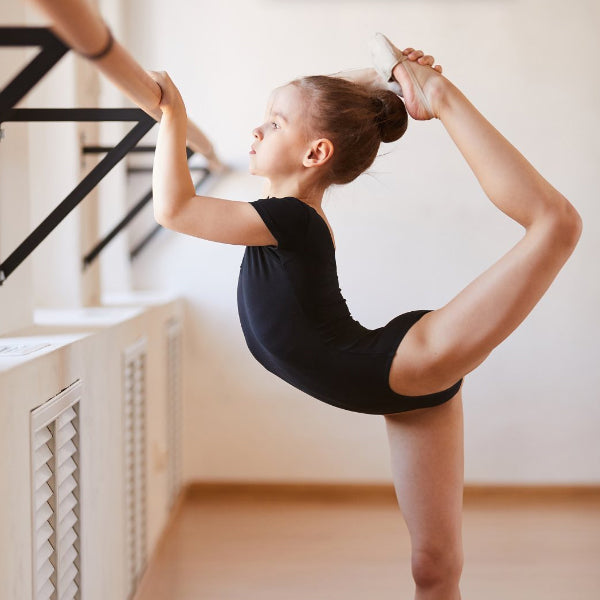
Choose by torso girth first, then check chest, waist, and hip measurements. Standard dress size can mislead because children of the same height may have different proportions. A leotard should lie smoothly against the body, allow full shoulder movement, and stay secure without digging into the legs or neck. If the fabric pulls upward during a squat or overhead stretch, the torso may be too short.
Torso girth follows the body from the shoulder, through the legs, and back to the starting point. Research findings indicate that it accounts for more than 80 percent of proper fit accuracy compared with bust and hip measurements alone. This explains why a leotard may fit across the chest yet ride up during a tumbling pass. Look for four-way stretch, flexible stitching, a smooth leg opening, and enough length for movement.
Decoding Gymnastics Leotard Styles and Fabrics: A Smart Shopper's Guide

Style affects coverage, temperature, and freedom of movement. Tank designs suit warm practice sessions, while long sleeves offer more coverage during conditioning or colder meets. Biketards and unitards include attached shorts and may help your little one feel more covered during drills. For competition, confirm current team or meet rules about sleeve length, undergarment visibility, and shorts.
| Material or style | Best suited for | What to check |
|---|---|---|
| Nylon-spandex | Frequent practice and broad movement | Soft four-way stretch, breathable lining, and secure seams |
| Polyester blend | Regular wear and repeated washing | Moisture management, smooth hand feel, and color retention |
| Mystique or foil finish | Special events and performance details | Gentle washing, cool water, and air drying to protect sheen |
| Velvet | Warmth and a soft competition texture | Care instructions, nap direction, and potential heat retention |
| Mesh panels | Ventilation and decorative coverage | Soft edges, secure stitching, and no scratchy seams |
Nylon-spandex usually gives a flexible, close fit, while polyester blends suit repeated use. Decorative mystique and foil finishes require extra care. Research findings report that these finishes can lose up to 50 percent of their sheen within 10 washes when exposed to hot water or dryer heat. Use gentle detergent, turn the garment inside out, and air dry it. This care also helps protect the fabric, print, rhinestones, and stitching.
The Coach-Tested Torso Girth Measurement Method to Prevent Ride-Up
Torso girth is the most useful measurement for choosing a close-fitting garment. It follows the body from the top of one shoulder, down the front, between the legs, and up the back to the same shoulder. Chest, waist, hip, height, and age still help, but they cannot show whether the garment has enough body length. Research findings indicate that torso girth accounts for more than 80 percent of proper fit accuracy compared with bust and hip measurements alone.
A short torso measurement can create upward tension during a bridge, split, handstand, or bar routine. Fabric may pull toward the shoulders, leg openings may shift, and the seat may no longer stay covered. A longer garment can bunch at the waist or leave loose fabric across the back. The goal is a smooth fit with gentle support, not compression.
Step-by-Step Torso Girth Checklist
- Prepare the right conditions. Have your little one stand upright in fitted underwear or a thin base layer. Remove shoes and bulky clothing. Keep the shoulders relaxed and the feet about hip-width apart.
- Find the starting point. Place a soft measuring tape at the top of one shoulder, near where a shoulder seam would rest. Keep the tape flat against the body.
- Follow the full path. Bring the tape down the front of the torso, between the legs, and up the back to the original shoulder point. Do not angle it around the outside of the hip.
- Keep the tape comfortably close. It should touch the body without pressing into the skin. A loose tape gives a measurement that is too long; a tight tape can make the garment feel short.
- Record the number. Write the measurement in inches, then check the specific size chart. Do not select a size from age or street clothing alone.
- Repeat once. Measure a second time. If the numbers differ, take a third measurement and use the two matching results.
After ordering, test the fit before removing tags. Ask your little one to raise both arms, bend forward, squat deeply, and walk a few steps. Check the neckline, shoulder straps, leg openings, seat coverage, and lower back. Fabric should recover after stretching, and seams should remain flat. Zig-zag stitching and four-way stretch support movement, but they cannot correct insufficient torso length.
Wash the garment according to its care label before judging long-term fit. Use gentle detergent, cool water, and air drying when recommended. Heat can weaken stretch fibers and affect elastic recovery. Accurate measurement, a movement test, and gentle care help your little one practice with fewer clothing distractions.
Building a Practical Practice & Competition Leotard Wardrobe on a Budget
A thoughtful wardrobe can keep your little one comfortable while helping your family manage the cost of gymnastics leotards. Practice clothing must handle frequent movement, sweat, and washing. A meet outfit may include special finishes, crystals, foil, or velvet that need gentler care. Build the practice rotation first, then add one meet garment after the team schedule and uniform rules are clear.
For regular classes, look for soft four-way stretch, secure shoulder straps, smooth leg openings, breathable lining, and flat stitching. A simple tank style suits warm gym sessions. Two or three dependable practice garments may serve your family better than one highly decorated piece needing special handling after every class. Check the size chart each time, since an age or dress size does not guarantee the same fit.
Competition pieces may cost more because of hand-applied crystals, specialty fabric, custom details, or team requirements. Research findings indicate that crystal-covered competition garments can range from $150 to more than $400, while daily tank practice garments average about $35 to $55. Keep those categories separate: reserve the decorative piece for meets and performances, and avoid using it for conditioning, outdoor play, or ordinary practice. Ask the coach about any required design, sleeve length, color, or undergarment rule.
Calculate cost per use instead of focusing only on the price tag. A durable practice garment worn twice each week may offer better value than an inexpensive piece that irritates the skin, loses stretch, or needs early replacement. Inspect seams, elastic recovery, lining, and decoration. Record the torso measurement and date, then recheck before a seasonal purchase if your little one is growing quickly.
Common Budget Questions
Should I buy separate practice and meet garments? Usually, yes. Practice clothing needs easy care and repeated use. A meet garment stays in better condition when reserved for special events.
Can one garment cover every class? It can, but a small rotation gives fabric time to dry and reduces washing strain. Follow the care label, and replace any garment with stretched elastic, rough seams, peeling foil, or loose stones.
Frequently Asked Questions
What is the best brand of gymnastics leotards?
The best brand of children’s handwriting practice is the one that fits your child’s torso, chest, waist, and hips comfortably. I recommend comparing size charts and measuring torso girth before choosing by brand name. Look for four-way stretch, flat seams, secure leg openings, and fabric that stays in place during movement.
Do gymnasts wear anything under their leotards?
Gymnasts may wear underwear under a leotard if their coach and competition rules allow it. Choose smooth, close-fitting briefs that do not show at the leg openings or waist. Ask the coach about required clothing for practice and meets, since visible undergarments may not meet team or event rules.
What should a 7-year-old wear to gymnastics?
A 7-year-old gymnast usually needs a well-fitting leotard, with optional shorts or a biketard if the gym allows them. Choose soft, stretchy fabric that supports jumping, rolling, and handstands without digging into the neck or legs. Check the gym’s clothing rules before buying special colors or sleeve styles.
Why do gymnasts wear such revealing leotards?
Gymnasts wear close-fitting leotards so clothing stays secure and coaches can observe body alignment during skills. A properly fitted gymnastics leotard should provide coverage at the chest, seat, and torso while allowing full movement. Tank, short-sleeve, long-sleeve, and biketard styles offer different coverage choices for practice and meets.
Do female gymnasts shave pubic hair?
Female gymnasts do not need to shave pubic hair to participate in gymnastics. Pubic hair removal is a personal choice, and young gymnasts can wear a properly fitted leotard without changing their body. Parents can focus on fit, privacy, hygiene, and any clothing rules from the gym or competition.
