

leotard and shorts
Choosing clothing for a young gymnast can feel confusing, especially when terms vary between classes, stores, and team handbooks. I want to help you understand the purpose of a leotard and shorts, what the pieces are called, and which details can affect comfort during movement.
Key Takeaways
- Understanding the specific terminology used in different gymnastics environments helps you select the right attire for your child.
- A leotard paired with shorts offers a practical combination that supports freedom of movement during practice.
- Paying attention to small construction details ensures the clothing remains comfortable for active young gymnasts.
For your little one, the best choice supports free movement, secure coverage, and easy dressing. Fit matters more than decoration. A garment should stay in place during stretching, rolling, handstands, and basic tumbling while allowing your little one to focus on learning.
What is handwriting exercises for children?
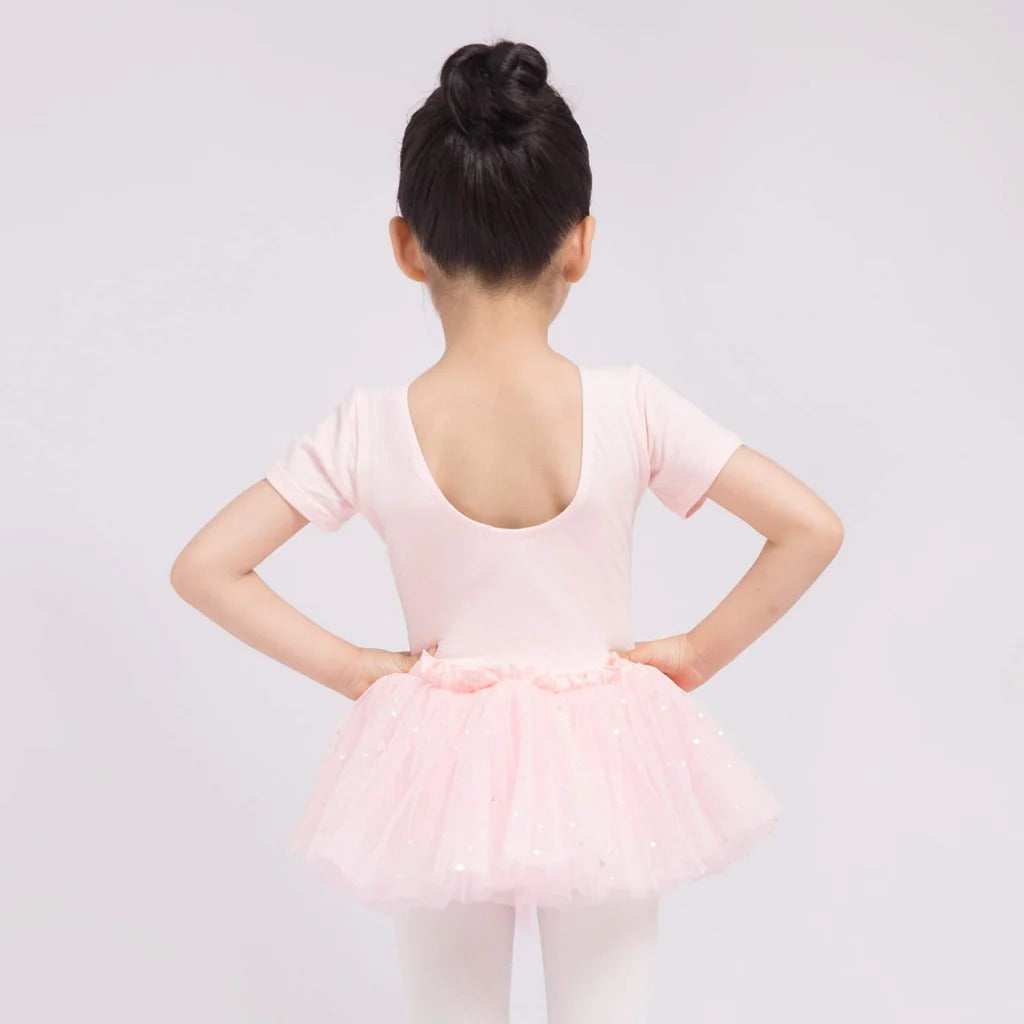
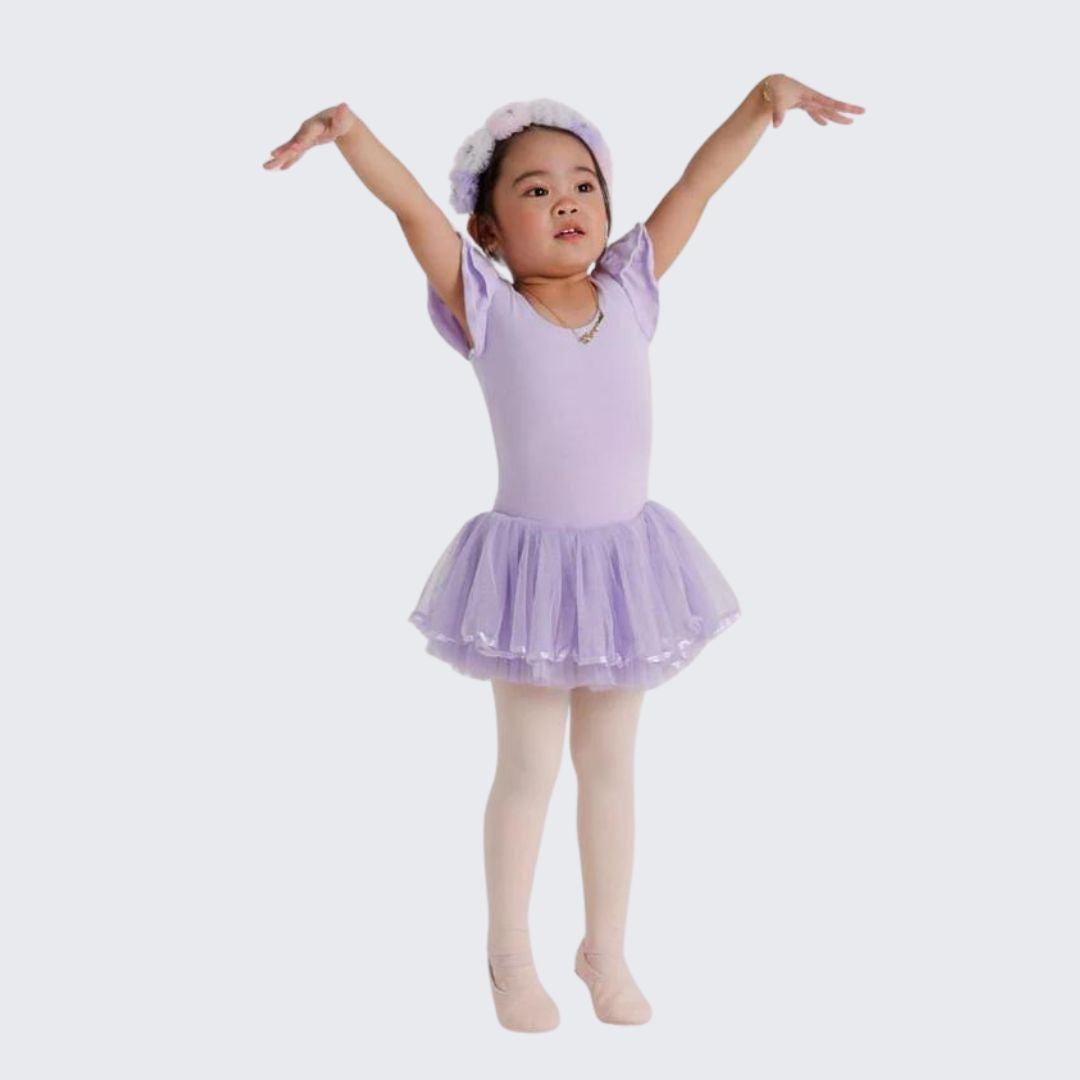
A leotard with separate shorts is usually called a gymnastics writing practice for children set. The leotard is a close-fitting one-piece garment that covers the torso. The shorts provide extra leg coverage and may be worn over the leotard or attached to it. Some families also use the phrase tumbling shorts for girl when searching for fitted athletic shorts for a young gymnast.
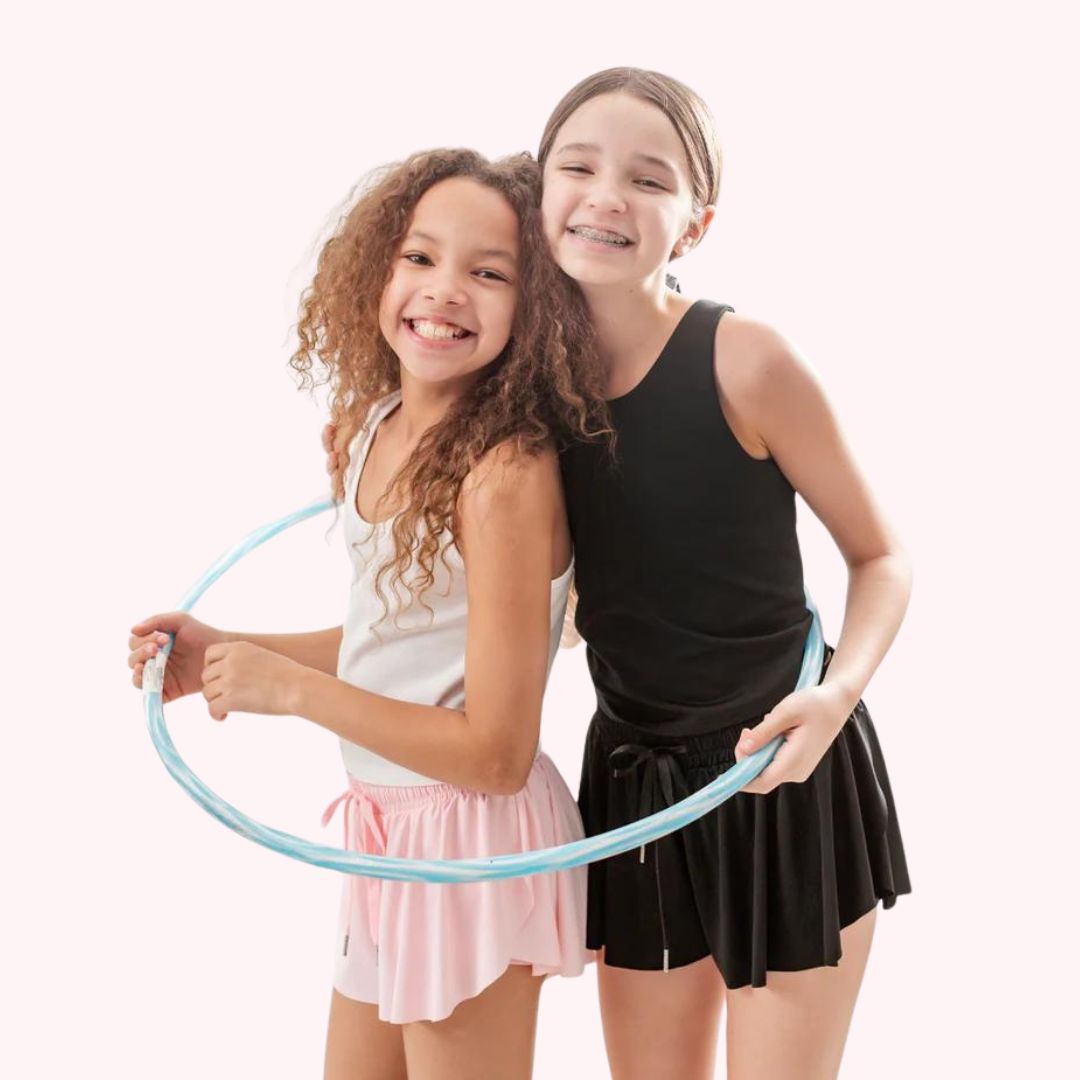
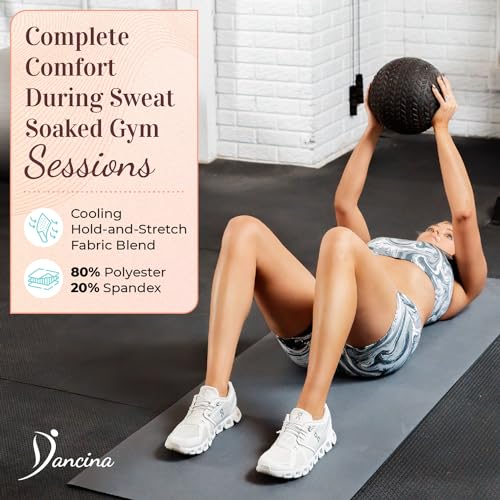
Gymnastics shorts for girls are usually designed with a secure waistband, flexible fabric, and leg openings that stay close to the body. They are different from loose athletic shorts because extra fabric can shift during splits, bridges, rolls, or work on an apparatus. A well-fitting pair should move with your little one without riding upward or twisting. Built-in briefs can offer coverage, but check that the brief does not roll down or create uncomfortable bulk between the body and a bar.
Dress expectations vary by class, gym, and competition. Recreational programs may allow shorts over a gymnastics leotard, while team or competition programs may follow a specific uniform policy. Ask the coach before purchasing clothing for an event. Also check the garment’s size chart rather than relying only on age. Torso length, chest fit, fabric stretch, and cut can change how a set feels, even when two pieces carry the same stated size.
Benefits of children’s handwriting practice

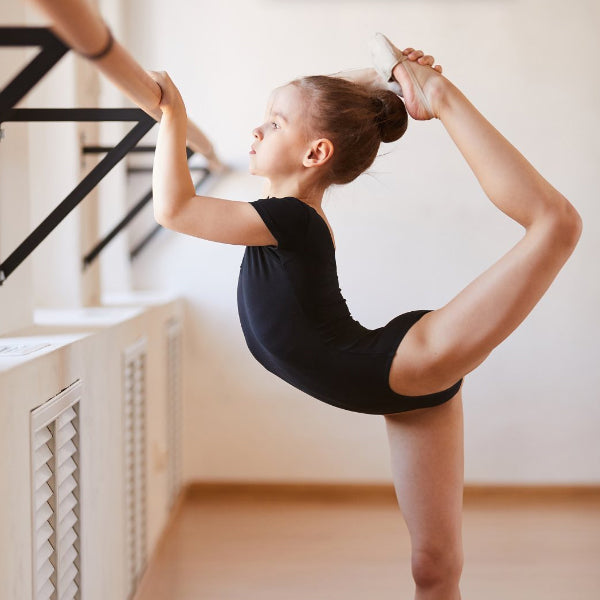
A fitted set can make movement easier to observe and easier to manage. A leotard keeps the torso covered during inversions and floor work. Shorts can provide additional coverage for families who prefer more fabric over the hips and legs. Together, the pieces can support stretching, cartwheels, jumps, balance drills, and tumbling while keeping clothing from becoming a distraction.
Separate shorts also give your little one a little flexibility in daily dressing. They can be removed for a warm-up, changed after class, or worn with an approved practice top when the gym permits that option. A soft waistband may feel more comfortable than a tight elastic edge, while smooth seams can reduce rubbing during repeated floor exercises. Look for fabric that stretches in more than one direction and returns to its shape after movement.
Fit still deserves careful attention. A leotard that feels short through the torso may pull at the shoulders or chest. Shorts that seem suitable while standing may shift during a split or tuck. Before class, have your little one raise both arms, bend, squat, stretch, and walk a few steps. Check for pulling, rolling, gaping, or pinching. Progress in gymnastics happens slowly and steadily, so clothing should support practice rather than add another source of discomfort.
About our pictures: The pictures on our blog are created using artificial intelligence to bring our learning content to life. We hope they make reading more enjoyable.
How to Choose handwriting exercises for children
Start with the activity, dress code, and your little one’s measurements. A recreational class may permit fitted shorts over a leotard, while a team program may require a specific uniform. Ask the coach before buying clothing for practice, performances, or meets. Then measure the chest, waist, hips, and torso according to the manufacturer’s instructions. An age label is only a starting point. Torso length can make one size feel short, while chest width, fabric stretch, and leg openings can change the fit.
Use the official size chart for the exact garment, and compare your measurements with its guidance. Do not assume the same size will fit every cut. A longer torso may need extra length, while a close-fitting chest should not pull across the shoulders or bust. Have your little one lift both arms, bend, squat, reach, and walk. Look for shoulder straps that stay flat, fabric that covers the body, and seams that do not pinch. The outfit should allow a full range of motion without gaping at the neckline or pulling at the leg openings.
Next, check the shorts during movements that resemble class activities. Ask your little one to stretch, do a gentle bridge, practice a cartwheel, and move into a split only under appropriate supervision. Shorts that ride upward, twist, or expose the waistband need a different cut or size. A secure waistband should stay comfortably in place without digging into the skin. If the set has built-in briefs, inspect them while your little one bends and stretches. A brief that rolls down can feel distracting, and thick fabric may create unwanted bulk between the body and an apparatus.
Fabric also deserves attention. Look for stretch that recovers after movement, smooth seams, breathable construction, and a lining that provides suitable coverage. Avoid choosing based only on color or decoration. Sequins, raised details, or stiff trim can bother your little one during floor work. For younger children, easy dressing matters too. A manageable closure and clear front and back can help your little one change with less assistance.
Before a first class, try the outfit at home for a short movement check. Notice whether your little one can sit, reach, roll, and stretch naturally. If discomfort appears, revisit the torso length, waistband, or leg opening rather than asking your little one to adjust repeatedly. A well-chosen writing practice for children set should stay secure while your little one learns slowly and steadily. Explore coordinated options such as the Marble Line leotard and matching shorts set.
Frequently Asked Questions
What is a leotard with shorts called?
A one-piece garment paired with separate shorts is commonly called a gymnastics children’s handwriting practice set. Some outfits have attached shorts, while others include a separate pair worn over the leotard. Store descriptions may also use terms such as a gymnastics set, tumbling outfit, or practice set. The name matters less than the garment’s fit, coverage, stretch, and compliance with the gym’s clothing rules.
Can you wear shorts over a gymnastics leotard?
Often, yes, for recreational practice, though each gym sets its own policy. Ask the coach before class because team practices, showcases, and competitions may require a particular uniform. Choose fitted shorts with a waistband that stays in place during bending, jumping, rolling, and stretching. Loose fabric, slipping waistbands, or leg openings that ride upward can distract your little one and may provide less coverage during movement.
What are gymnastics shorts called?
They may be listed as gymnastics shorts, tumbling shorts, dance shorts, fitted athletic shorts, or practice shorts. The wording can vary by store and program. For your little one, look beyond the label. Check the rise, waistband, inseam, leg opening, fabric recovery, and lining. Shorts designed for movement usually have flexible material and a close fit that supports cartwheels, splits, bridges, and floor exercises without excess fabric.
What are tumbling shorts for girls?
Tumbling shorts for girls are close-fitting athletic shorts intended for activities such as floor tumbling, gymnastics drills, and stretching. They may be worn alone with an approved top or over a leotard, depending on the program. Confirm that the waistband does not dig into the skin and that the leg openings remain secure when your little one lifts a leg or moves into a split.
Are gymnastics shorts different from regular athletic shorts?
They can be. Gymnastics shorts generally have a closer cut, flexible fabric, and construction suited to repeated changes in body position. Regular athletic shorts may be looser or longer and can shift during inversions or apparatus work. A coach can confirm whether a particular pair is suitable for class. Recheck the fit as your little one grows, since torso length and body proportions can change before the garment appears worn.
