

rainbow leotards
Choosing rainbow leotards becomes easier when you check three things first: the class setting, the fabric feel, and your little one’s torso measurement. Colorful panels can make practice feel joyful, while the right cut helps your little one move, stretch, and sit comfortably.
Key Takeaways
- Start by measuring your child's torso from the shoulder to the crotch to find the right rainbow leotard size.
- Choose a fabric that feels soft and stretchy so your little one can move freely during dance or gymnastics.
- Look for rainbow leotards with secure sparkle details like sequins or glitter that won't scratch or fall off easily.
- Match the leotard's style to the class dress code, whether it's a simple tank or a long-sleeve design.
- Pick a rainbow pattern with bright, clear color panels to keep practice fun and easy to spot in a group.
I recommend starting with one or two well-made pieces while your little one settles into dance or gymnastics. Look for soft seams, flexible fabric, secure leg openings, and enough stretch for jumping, turning, and reaching. The Marble Line Gymnastics Leotards for Girls with Matching Shorts - Aqua & Gold Set offers a practical example of a coordinated training outfit with a bright color design and matching shorts.
Choosing Your Little One's Perfect Rainbow Leotard: Style, Sparkle, and Fit
Choose a tank cut for active gymnastics, especially when your little one will use bars, beams, or other apparatus. A skirted cut may suit a dance class if the instructor allows it. For sparkle, inspect the inside of the garment as carefully as the outside. Metallic foil, glitter mesh, and mystique fabric should feel flexible rather than stiff or scratchy.
Color placement can affect the overall look. Ombre panels create a gradual shift, while separated color blocks give a brighter, playful finish. Sparkle leotards may use foil, shimmer fibers, rhinestones, or printed glitter. For regular lessons, four-way stretch fabric with good recovery is often the most comfortable choice. Polyester and spandex blends can support repeated movement, while a soft lining may help protect sensitive skin.
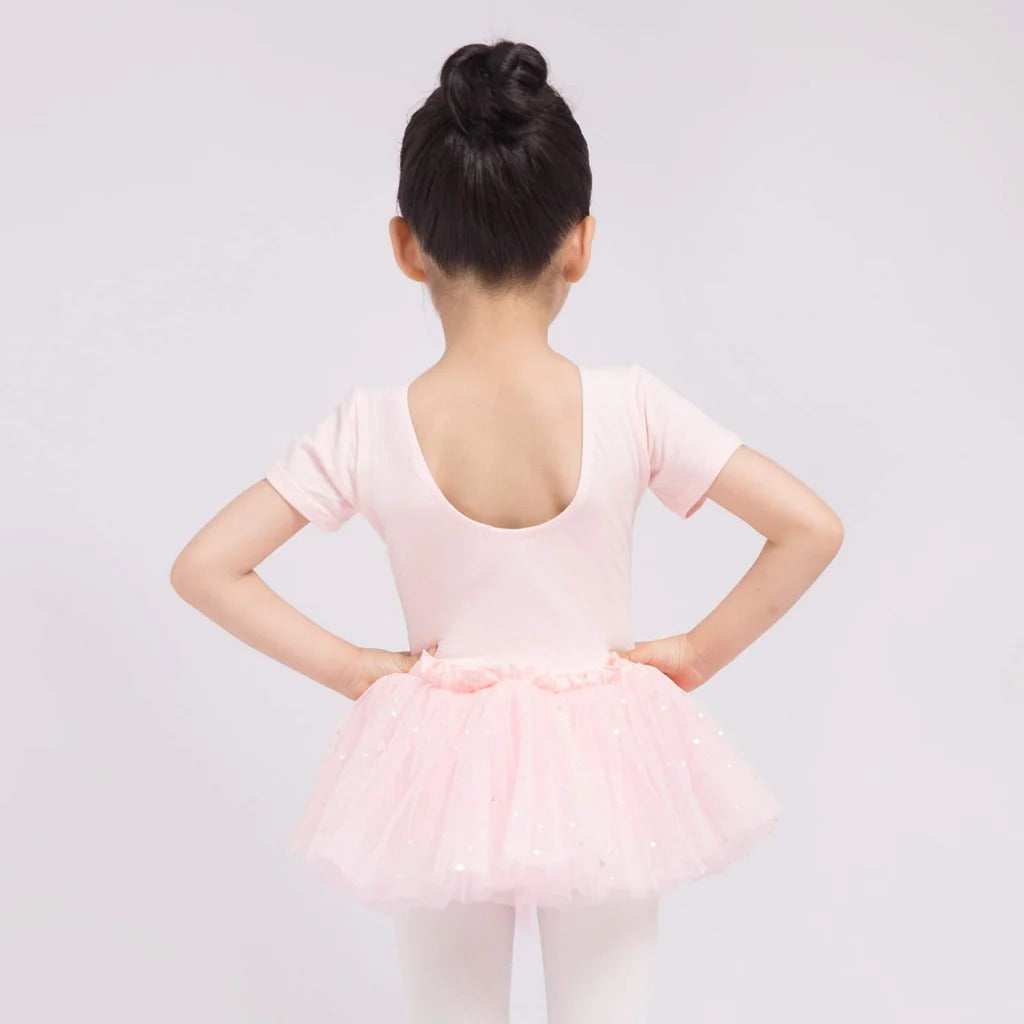
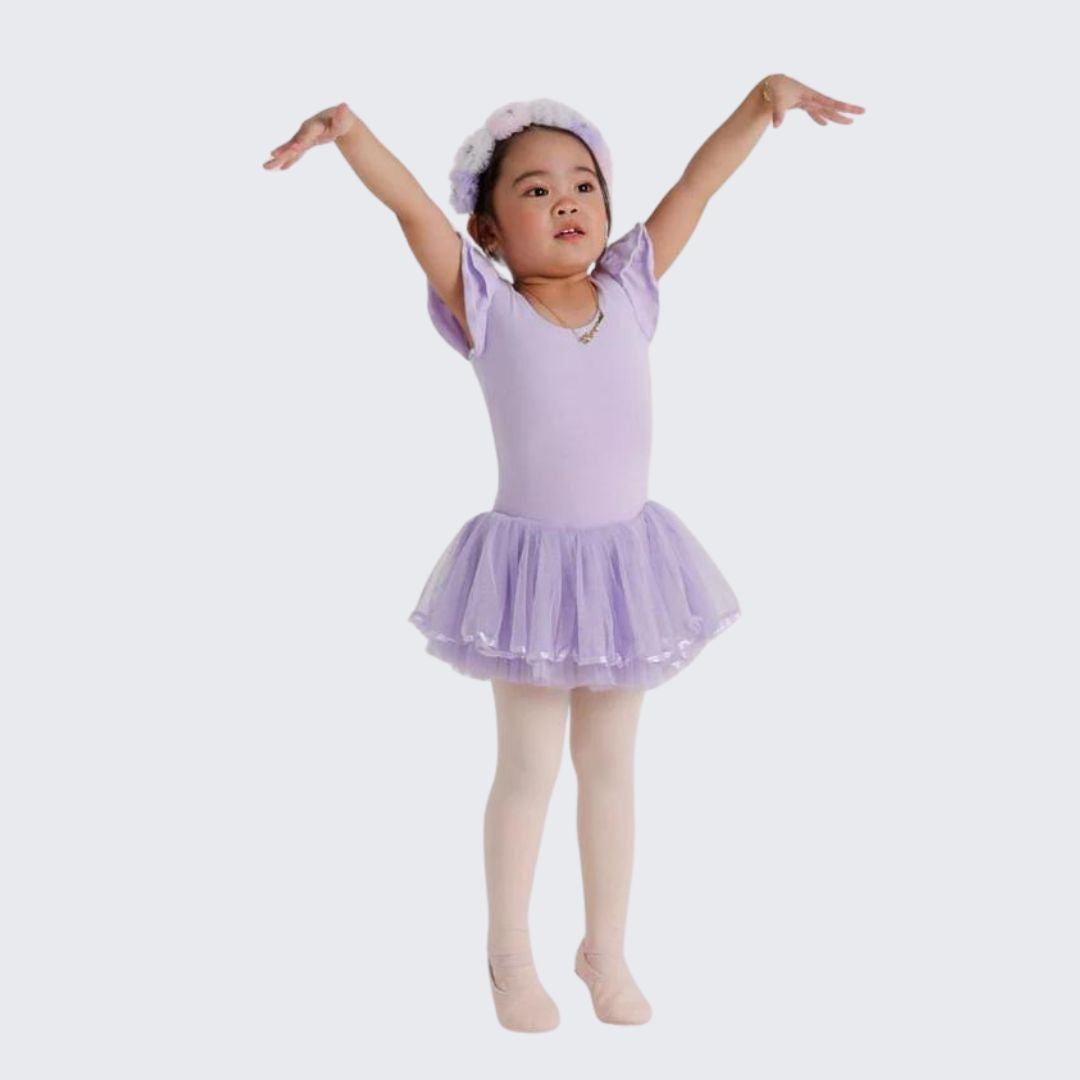
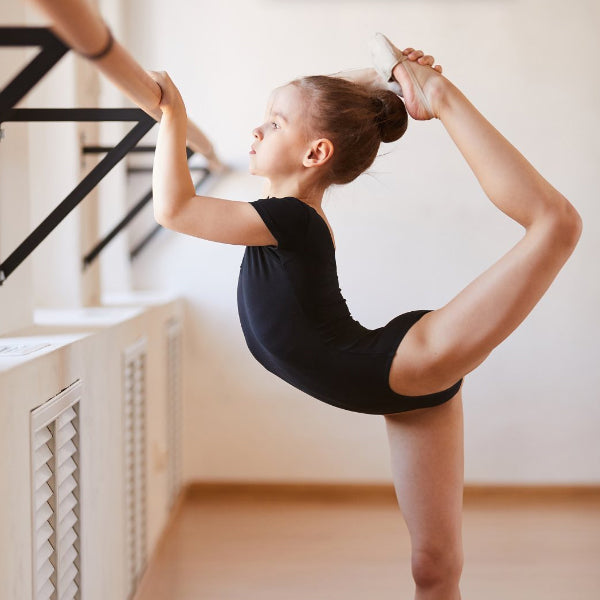
Think about the activity before choosing details. A rainbow leotard with skirt can feel lovely for ballet or creative movement, where a flowing overskirt suits the class. Gymnastics often calls for a close-fitting tank leotard or biketard so loose fabric does not catch on equipment. The Marble Line Gymnastics Leotards for Girls with Matching Shorts - Aqua & Gold Set is another suitable example to consider for a coordinated practice wardrobe.
The Gymnastics Moms Sizing Secret: How to Measure for a Perfect Fit

Age and street-clothing size can give you a starting point, but torso girth is the measurement that best reflects how a leotard will fit. Research provided for this guide finds torso girth is three times more accurate than age or regular clothing size for fitting athletic leotards. A soft tape measure and a few quiet minutes can help you avoid repeated ordering and uncomfortable returns.
- Prepare the fit: Have your little one stand tall in a thin shirt or fitted undergarments. Keep feet together and shoulders relaxed.
- Find the points: Place one end of the tape at the top of one shoulder. Bring it down the front, through the legs, and up the back to the same shoulder point.
- Keep the tape level: Let the tape touch the body without pulling it tight. A tight measurement can lead to a short torso fit.
- Record the number: Write the measurement in inches. Repeat once to check that the number is consistent.
- Read the size chart: Match torso girth first, then review height, chest, waist, and hip guidance. If measurements fall between sizes, check the maker’s fit notes instead of guessing from age.
A good fit lies smoothly across the chest and back, with leg openings that stay in place without digging into the skin. Watch for shoulder straps that pull inward, fabric riding up, strained seams, or extra material at the waist. Your little one should be able to bend, stretch, and raise both arms freely. A slightly flexible fit is useful for growth, but excessive looseness can shift during movement and distract from practice.
The pictures on our blog are created using artificial intelligence to bring our learning content to life. We hope they make reading more enjoyable.
Studio vs. Gym: Understanding Dress Codes and Safety for Writing practice for children
Class rules should guide the final choice. In a dance studio, a skirted design may be welcome for ballet, creative movement, or recital preparation when the instructor approves it. In gymnastics, close-fitting clothing is usually the safer choice for bars, beams, floor work, and vault. A loose skirt, tie, or decorative layer can catch on equipment, shift during inversions, or make it harder for a coach to see body alignment. Before buying children’s handwriting practice, check the studio or gym handbook and ask the instructor about required cuts.
| Class setting | Commonly suitable cut | Details to check |
|---|---|---|
| Dance studio | Tank leotard or approved skirted style | Skirt length, color rules, neckline, and whether attached layers are allowed |
| Gymnastics facility | Tank leotard, biketard, or coordinated shorts set | Close fit, secure leg openings, covered midsection, and no loose attachments |
| Competition or team practice | Uniform specified by the coach | Team color, sleeve length, embellishments, and approved fabric |
A rainbow leotard with skirt can be a lovely dance option, but it may not be permitted for gymnastics practice. Some facilities allow a skirt during warmups and request removal before apparatus work. Others require a tank leotard throughout the session. A quick message to the coach can prevent an uncomfortable first class. For active training, the Marble Line Gymnastics Leotards for Girls with Matching Shorts - Aqua & Gold Set illustrates a coordinated option with a close-fitting silhouette and matching shorts.
Inside comfort deserves attention, too. Run your fingers along the neckline, armholes, waistband, and leg openings. Soft seams, flexible polyester and spandex fabric, four-way stretch, and reliable recovery can help your little one move without scratchiness or pinching. Metallic finishes should remain flexible rather than stiff. The Marble Line Gymnastics Leotards for Girls with Matching Shorts - Aqua & Gold Set can also be considered when a practical practice outfit is needed for movement-based classes. Choose the garment that follows facility rules first, then let your little one enjoy the color and shine.
Keeping the Sparkle Bright: A Parent's Guide to Washing Handwriting exercises for children
Sparkle and metallic finishes need gentle care from the first wash. Sweat, skin oils, detergent residue, heat, and friction can make foil look dull or cause decorative details to peel. I recommend checking the care label before washing, then treating the garment as a delicate athletic uniform. A simple routine helps preserve the color, stretch, shimmer, and soft feel that your little one enjoys during practice.
- Rinse the garment soon after class in cool water to remove sweat and surface residue.
- Turn it inside out before washing. This protects the outer finish from rubbing against itself or other clothing.
- Hand-wash in cold water with a small amount of mild detergent. Gently press the fabric rather than scrubbing or twisting it.
- Rinse until the water runs clear and no soap remains.
- Press the garment between clean towels to remove extra water, then lay it flat or hang it from a padded hanger to air-dry away from direct sunlight.
| Do | Do not |
|---|---|
| Use cold water and mild detergent. | Use bleach, fabric softener, or stain-removing chemicals. |
| Wash the garment inside out by hand. | Use warm cycles, rough agitation, or a crowded washer. |
| Air-dry away from heaters and strong sunlight. | Use a dryer, iron, or direct high heat. |
| Store the piece completely dry, with foil and embellishments facing outward. | Leave it damp in a gym bag or fold wet layers together. |
Keep sparkle garments separate from towels, denim, hook-and-loop fasteners, and rough zippers. Those surfaces can catch the fabric or rub away a metallic coating. If a mark appears, dab it gently with diluted mild detergent and rinse promptly. Do not scrape dried residue from foil. Let it soften first. A small rotation of one or two washable practice pieces also gives each garment time to dry fully between classes. With steady care, the colors and shimmer can stay lovely through many lessons.
Frequently Asked Questions
What fabric is most comfortable for writing practice for children?
Children’s handwriting practice made from a soft polyester and spandex blend are often comfortable for active lessons. Four-way stretch helps a child jump, bend, reach, and turn freely, while good recovery helps the fabric return to its shape. A soft lining and smooth seams may also help protect sensitive skin.
How can I choose a sparkle rainbow leotard that feels good?
Sparkle handwriting exercises for children should feel flexible and smooth inside, not stiff or scratchy. Metallic foil, glitter mesh, shimmer fibers, and rhinestones can add shine, but the garment still needs to allow easy movement. Check the neckline, armholes, waistband, and leg openings with your fingers before buying.
What should I check on a rainbow leotard before buying it?
Writing practice for children should have secure leg openings, flexible fabric, soft seams, and a close fit that allows free movement. Look for fabric that lies smoothly across the chest and back. Watch for riding up, strained seams, inward-pulling straps, or extra material around the waist.
How many children’s handwriting practice does a beginner need?
A beginner usually needs one or two well-made handwriting exercises for children to start dance or gymnastics lessons. A small practice wardrobe lets your child get used to the class routine before you buy more pieces. Choose designs that follow facility rules and provide enough stretch for regular movement.
Are matching shorts useful with rainbow gymnastics leotards?
Matching shorts can provide a coordinated practice outfit with a rainbow gymnastics leotard. A close-fitting set, such as the Marble Line Aqua and Gold outfit with matching shorts, may suit movement-based classes when the facility allows that style. Always check the coach’s clothing rules before ordering.
How do color patterns change the look of writing practice for children?
Children’s handwriting practice with ombre panels create a gradual color shift, while separated color blocks give a brighter, playful appearance. Color placement can change how the design looks from a distance and during movement. Choose the pattern your child enjoys, then check that the cut and fabric suit the class.
