
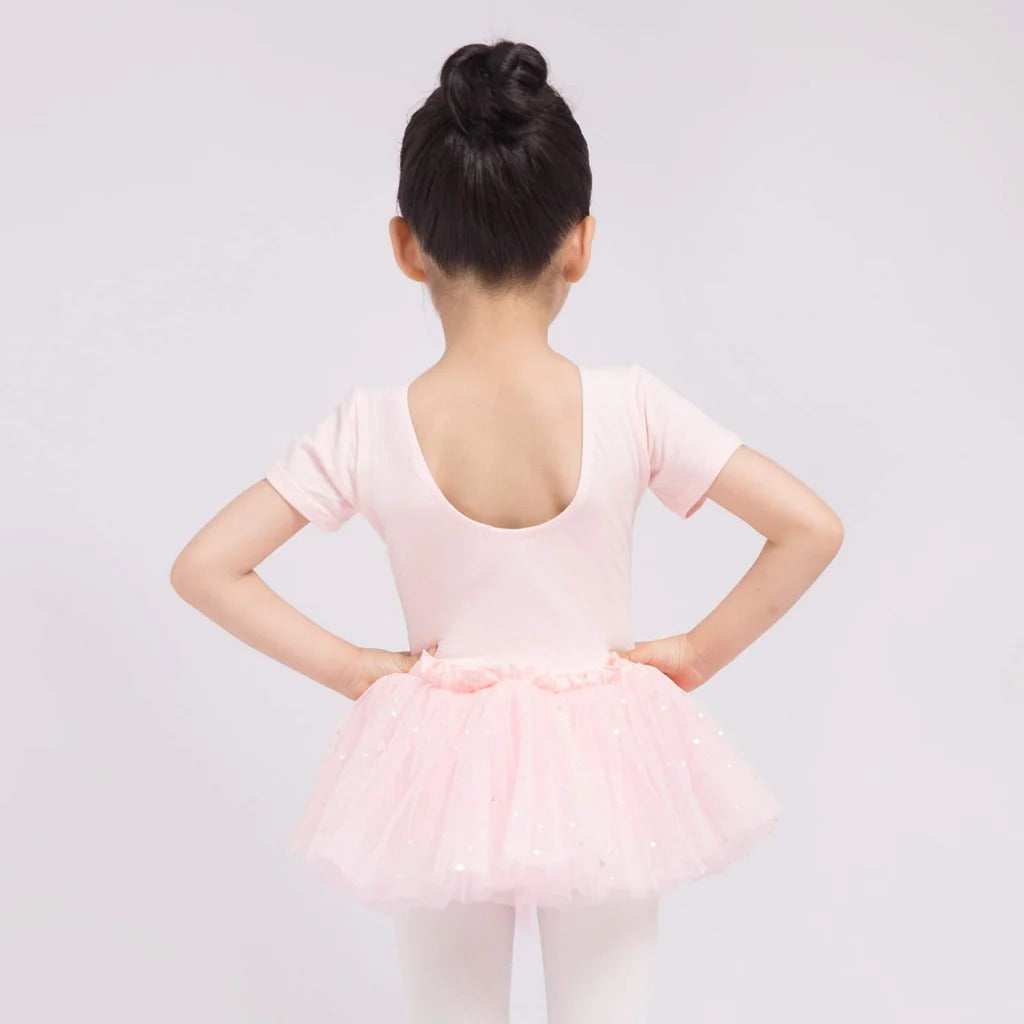
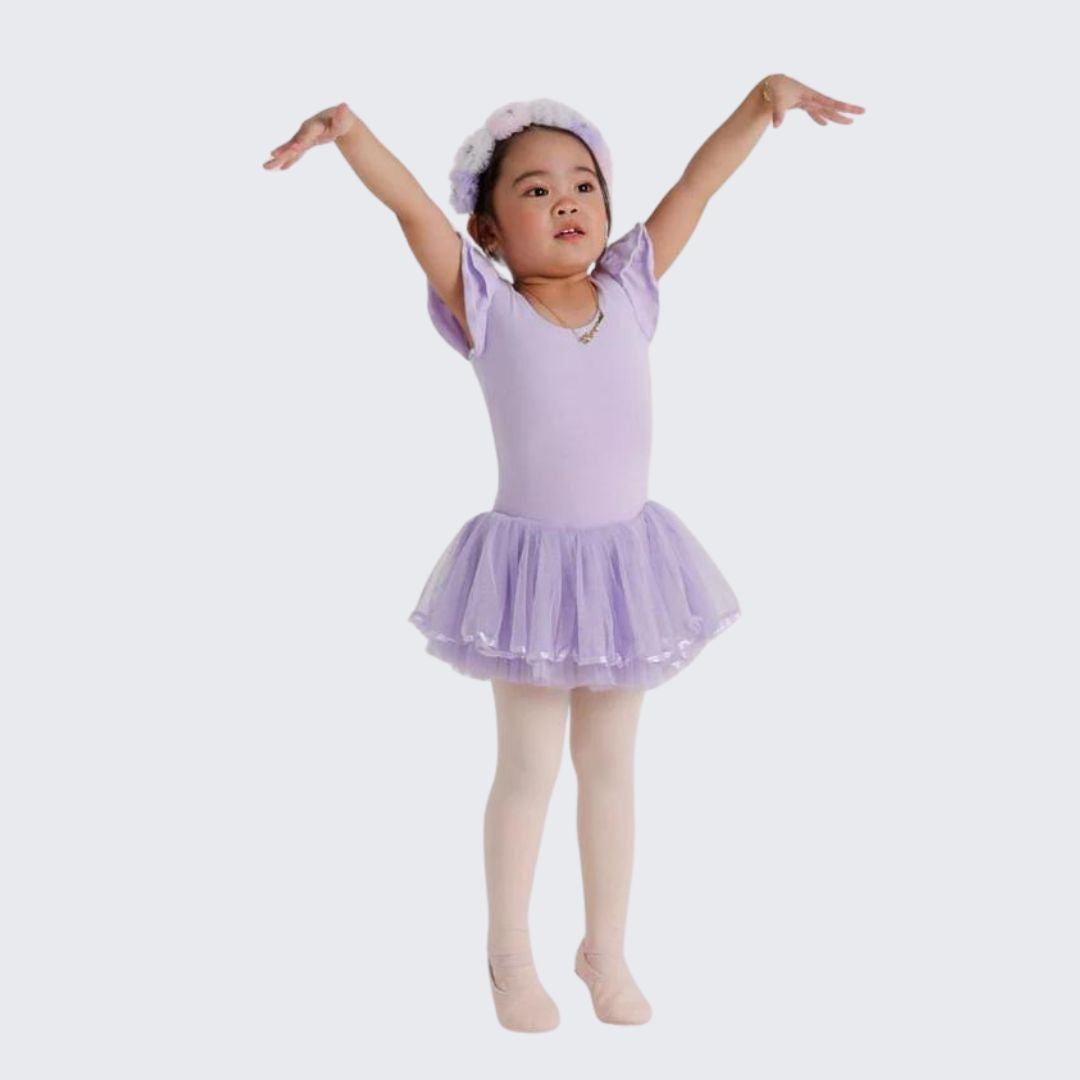
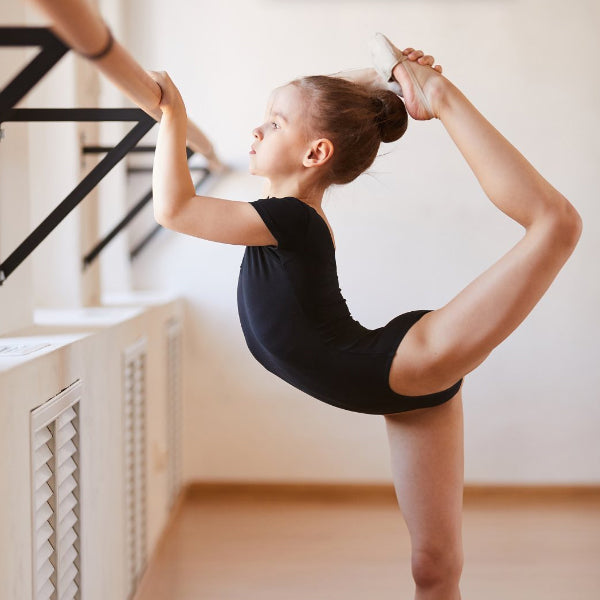
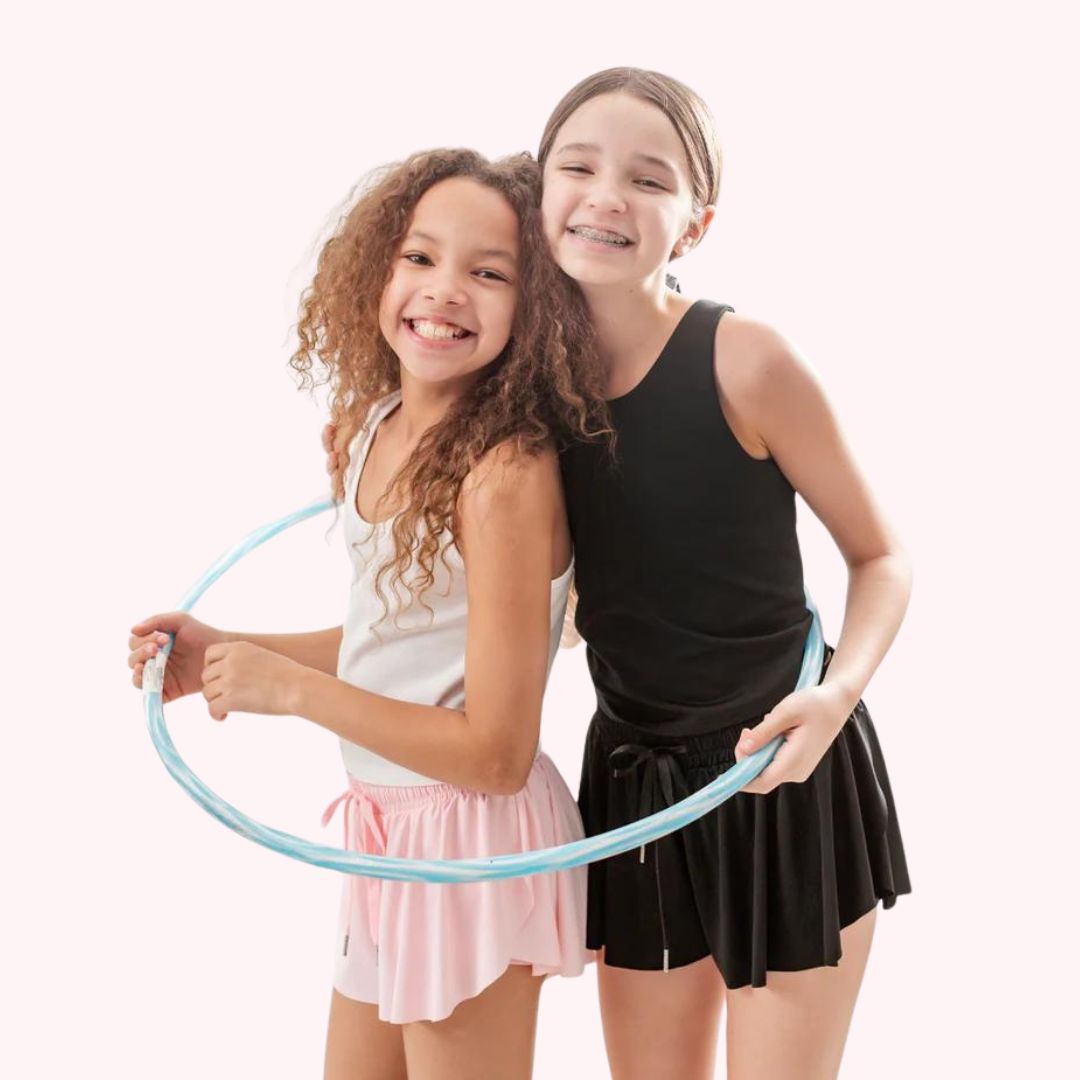


swing dance clothing with built-in shorts to prevent chafing
For fast swing steps, swing dance clothing with built-in shorts to prevent chafing can make a lovely difference. The right liner helps protect inner-thigh skin while your little one practices Charleston kicks, triple steps, tuck turns, spins, and playful twirls. I look first at how the shorts stay in place, where seams sit, and whether the fabric can handle warmth from a busy dance floor.
Key Takeaways
- Built-in shorts protect a child's inner thighs from chafing during quick swing steps like Charleston kicks and tuck turns.
- When shopping, check that the liner stays in place while your little one spins, twirls, and kicks.
- Seam placement matters because rough seams can rub against sensitive skin through a whole class or performance.
- Breathable fabric helps young dancers stay cool when the dance floor heats up.
- A comfortable liner lets children focus on their footwork instead of fussing with their outfit.
During a typical two-hour social dance, dancers may take 6,000 to 10,000 steps. Research on social swing dancing reports that range, while faster music at 160 to 200 beats per minute can increase friction and make sweat evaporation more difficult. A well-designed garment gives your little one coverage without taking away the movement that makes swing dance so joyful.
Why Built-In Shorts Are a Swing Dancer's Best Friend
Built-in shorts are useful because they move with the skirt instead of shifting as a separate layer. A secure liner can reduce skin-on-skin rubbing during repeated footwork, keep coverage in place during a high kick, and help your little one feel ready for a full turn. Standard slip shorts may work for gentle movement, but they can bunch beneath a full circle skirt or ride upward during Charleston patterns. An attached pair removes one layer to adjust before class begins.
The best fit supports motion in several directions. Triple steps need quick weight changes. Tuck turns add rotation. Kicks and dips call for coverage that stays put. Look for a smooth leg opening that rests against the body without digging in, plus enough inseam to cover the area where rubbing begins. Shorts that end too high may expose the inner thigh, while an overly long liner may show beneath a shorter skirt or restrict a wide step.
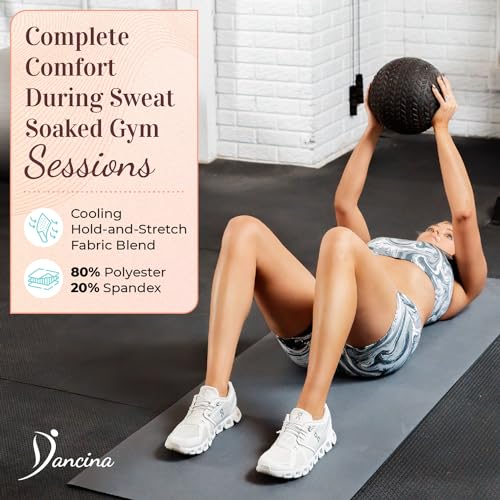
Breathable material matters during workshops and crowded social dances. Sweat, heat, and repetitive movement can make rough seams feel irritating. A soft stretch knit with moisture control allows air to move and gives the legs room to bend. The goal is not tight compression. It is steady coverage, easy stride length, and a vintage silhouette that can open fully during a twirl.
The Anatomy of Anti-Chafe: What to Look For in Built-In Shorts

When I assess built-in anti-chafe shorts, I begin with the inseam, seam placement, and fabric blend. These details decide whether the liner stays smooth through kicks and turns. A medium inseam often offers better inner-thigh coverage than a very short liner, but the leg should remain flexible and should not roll when your little one bends or steps backward. A wide, gentle hem can help the shorts stay in position.
| Feature | What to look for | Why it helps |
|---|---|---|
| Inseam | Enough length to cover the inner thigh, with stretch for kicks | Helps limit exposed skin and upward bunching |
| Seam placement | Flatlock stitching or smooth seams away from high-friction areas | Reduces rubbing during steps, spins, and floor contact |
| Fabric | Breathable stretch knit with moisture-wicking fibers and elastane | Supports airflow, flexibility, and sweat control |
| Leg opening | Soft, secure edging that does not pinch or slide upward | Keeps coverage steady during Charleston kicks |
Flatlock seams are especially helpful because they sit flatter against the skin than bulky raised stitching. A fabric blend that includes elastane can provide recovery after stretching, while a breathable fiber helps manage moisture. Avoid heavy layers that trap heat beneath a full skirt. For vintage twirl mobility, the liner should stretch with each stride and return to its shape after a deep bend. Those small construction choices turn swing dance clothing with built-in shorts to prevent chafing into practical dance clothing rather than a decorative layer.
Choosing Styles for Vintage Flair and Modern Mobility
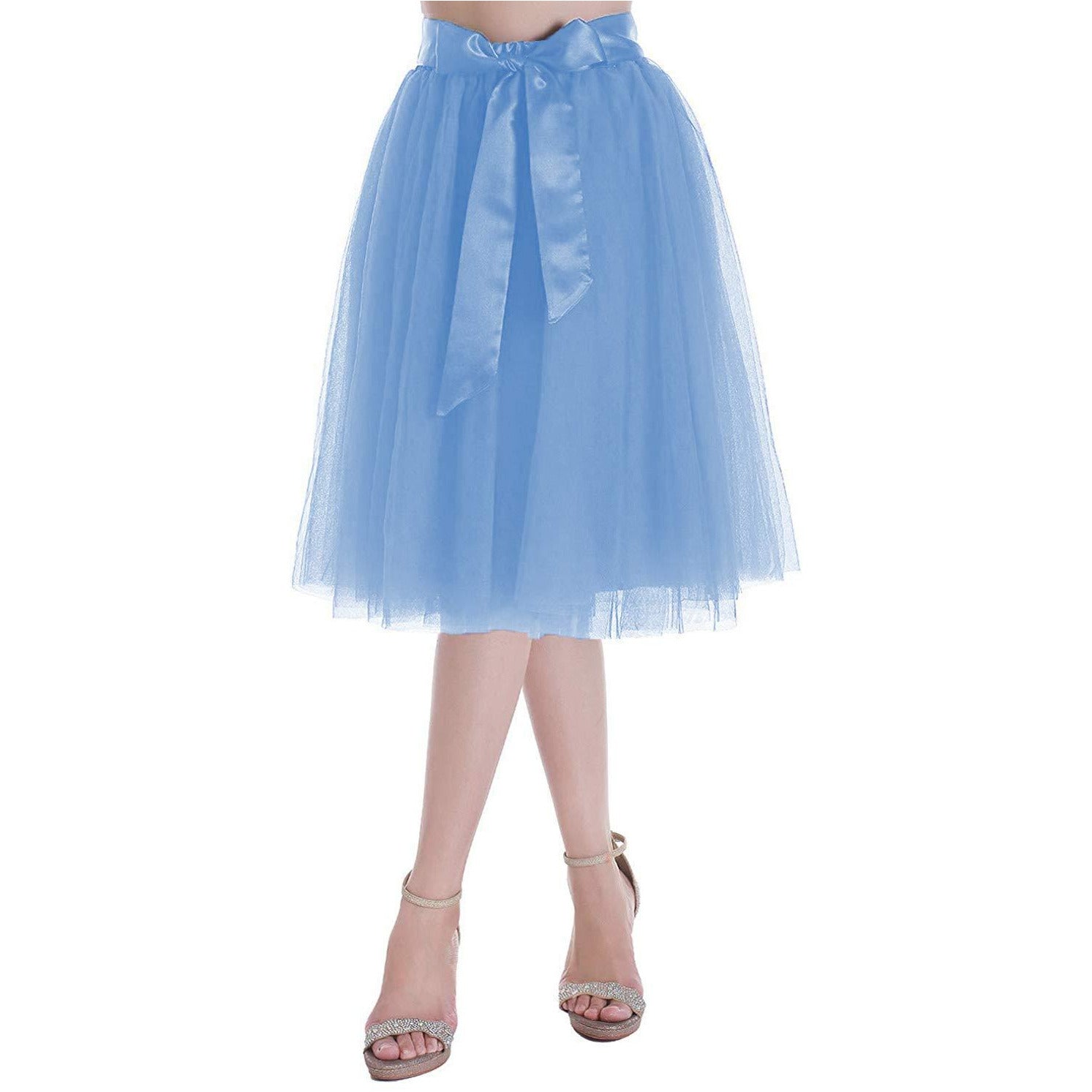
For your little one, swing dance clothing with built-in shorts to prevent chafing can keep a vintage outfit practical during active movement. A circle skirt gives room for tuck turns, Charleston kicks, and wide twirls. An A-line skirt offers a neater shape with enough space for triple steps and quick changes of direction. I look for a skirt that opens with movement but does not feel so full that it catches on another dancer or needs constant adjustment.
Modern athletic liners can sit beneath a 1940s or 1950s-inspired silhouette without taking away its charm. The skirt creates the recognizable swing shape, while the fitted layer underneath provides coverage during a dip, kick, or lively spin. A waistband that lies flat helps the waistline stay smooth. A liner with gentle stretch should follow each leg lift rather than pull against the skirt. The length should remain hidden beneath the hem during movement, especially if the skirt is shorter in front or rises during a full turn.
Wardrobe worries often come from a skirt that lifts before the dancer feels ready. Before class, have your little one practice a turn, a low dip, and several Charleston kicks in the complete outfit. Watch for exposed liner edges, shifting fabric, or a waistband that rolls. A secure underlayer can make these movements feel more manageable while preserving the playful shape of a swing costume. I favor simple colors beneath printed skirts and smooth fabrics beneath lighter materials, so the athletic layer supports the look instead of drawing attention away from it.
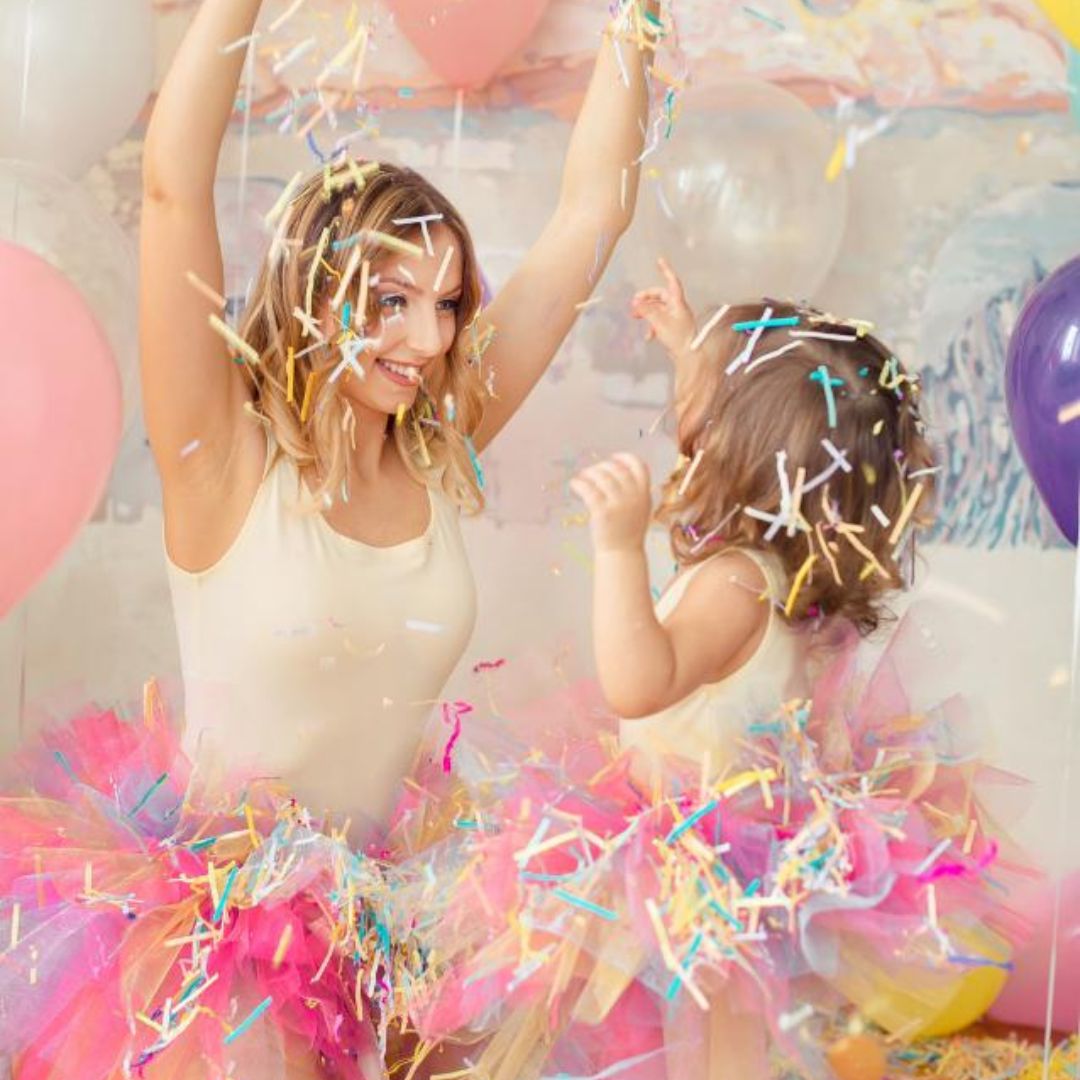
For social dancing, choose a silhouette that balances style with room to move. Your little one may take thousands of steps across a workshop or dance social, so a heavy skirt can become tiring in a warm room. Lightweight fabric, a flexible waist, and a stable liner let the outfit stay graceful through repeated spins. With these details in place, vintage swing clothing can support steady movement, reliable coverage, and a lovely twirl.
Practicalities: Fit, Care, and Dance Floor Comfort
The right fit makes handwriting exercises for children easier for your little one to enjoy during class, workshops, and social dancing. Check the garment while standing, bending, kicking, and turning. The waistband should stay level without digging into the skin. The liner should cover the inner thigh without rolling at the leg opening. If the shorts pull upward during a Charleston kick or pinch during a tuck turn, try a different size or cut. A secure fit should feel flexible, not restrictive.
Have your little one move in the complete outfit before the dance session begins. Ask whether the waistband shifts, whether the skirt catches, and whether the liner feels warm. This quick check can reveal problems that are easy to miss while standing still. For an all-in-one dress, also test reaching, sitting, and lifting the skirt slightly for a bathroom break. Attached shorts can offer dependable coverage, yet a one-piece style may take longer to remove than a skirt with separate underlayers. A split-back or practical closure can make that routine easier.
Care also affects comfort over time. Follow the garment label, wash after sweaty sessions, and avoid high heat unless the instructions allow it. Heat can weaken stretch fibers and change the fit. Air drying often helps preserve elasticity, waistband recovery, and the shape of the leg openings. Do not leave damp dancewear in a dance bag overnight. Moisture can create an unpleasant odor and leave fabric feeling less fresh for the next class.
Common Fit and Care Questions
Should the liner feel snug? It should rest close to the body so it stays in place, but your little one should still walk, sit, kick, and spin freely. Is a separate slip short easier? It may simplify bathroom breaks, while an attached liner reduces extra layers that can shift. What should I check before a long dance session? Look for smooth movement, dry fabric, secure coverage, and enough room for repeated steps. These checks help your little one enjoy the dance floor with steady comfort.
Frequently Asked Questions
What are the best shorts for preventing thigh chafing during swing dancing?
Writing practice for children is a strong choice for repeated kicks, spins, and quick steps. Look for a breathable stretch knit, a medium inseam, flat seams, and soft leg openings that stay in place. These details help protect inner-thigh skin while keeping a vintage skirt ready for movement.
What type of shorts are best for preventing thigh chafing?
Anti-chafing shorts with a smooth, stretchy fabric and enough inseam to cover the inner thighs are usually best. Swing dance clothing with built-in shorts should include flatlock seams and gentle edging that does not pinch or roll. A moisture-wicking fabric can also help reduce irritation during warm classes and social dances.
How can my little one prevent chafing while wearing shorts?
Your little one can help prevent chafing by wearing fitted, breathable shorts that stay smooth against the skin. Swing dance clothing with built-in shorts should fit securely without squeezing, bunching, or riding upward during kicks. Before class, check the full outfit through turns, dips, and several steps to spot shifting fabric.
Do anti-chafing shorts work for swing dance?
Anti-chafing shorts can work well for swing dance when they stay in place and cover the area where the thighs rub. Built-in shorts move with the skirt, so your little one has fewer layers to adjust during Charleston patterns and twirls. Smooth seams and moisture control can make long dance sessions more comfortable.
What are the best shorts to prevent chafing under dresses?
The best shorts under a swing dress have a soft stretch fabric, a stable waistband, and a leg length that stays hidden beneath the hem. Children’s handwriting practice also gives coverage during high kicks and spins. Choose a simple color and smooth finish beneath lightweight or printed dresses.
How should built-in anti-chafing shorts fit a young swing dancer?
Built-in anti-chafing shorts should fit close to the body without digging in, rolling, or limiting leg movement. A medium inseam can cover the inner thigh, while elastane helps the fabric recover after bends and kicks. Check that the liner remains hidden during a full turn and does not pull against the skirt.
