

where can i buy leotards for gymnastics
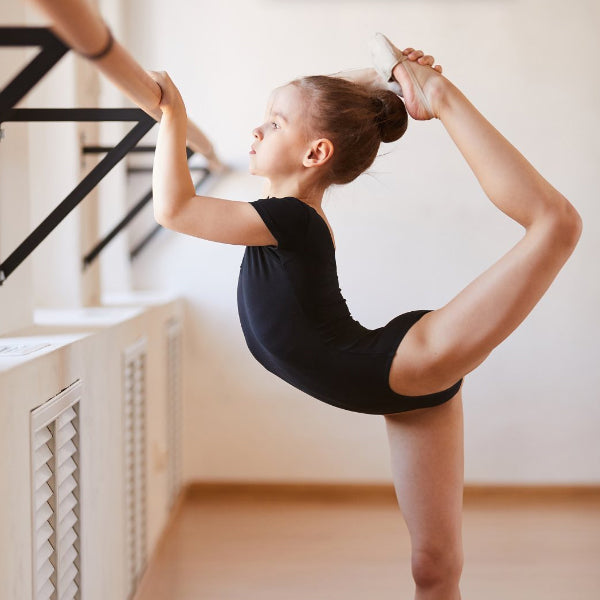
If you are asking, “where can I buy leotards for gymnastics,” begin with your little one’s class requirements, size, comfort, and the difference between practice clothing and competition clothing. A suitable leotard should stay in place during handstands, bridges, jumps, splits, and beam work. It should also feel comfortable enough that your little one can focus on movement instead of adjusting a neckline or shoulder strap.
Key Takeaways
- Start by reviewing the specific requirements provided by your child’s gymnastics instructor before making a purchase.
- Ensure the leotard fits securely so it stays in place during active movements like handstands and jumps.
- Choose a design that allows your child to focus on her routine without needing to adjust straps or necklines.
- Distinguish between durable practice wear and specialized attire needed for gymnastics competitions.
- Prioritize comfort and proper sizing to support your little one’s confidence and performance in class.
I am Andrea Schiffer, founder of Dancina, 2001 Swing Dance World Champion, and Amazon bestselling educational author. Dancina Learning focuses on educational resources, not gymnastics clothing, so this article offers general buying guidance rather than a Dancina dancewear recommendation.
Where can I buy a gymnastics leotard?
You can look for a gymnastics leotard through your little one’s gym, a specialty gymnastics retailer, a local dancewear store, or a general online marketplace. The best place depends on whether you need a practice leo, a team or competition leo, a specific color, or a fast replacement. Start with the gym’s dress code. Some programs request certain gymnastics colors, sleeve lengths, back coverage, or matching team apparel.
For a beginner or recreational gymnast, prioritize a secure fit, soft fabric, comfortable leg openings, and enough coverage for active movement. A high neckline may feel distracting if it presses against the throat. An open back may not meet a team or federation rule, and some designs require nude mesh for appropriate coverage. Rules can vary by level, event, and organization, so check current guidance from the applicable gym or governing body before purchasing.
Check the retailer’s own size chart rather than relying on age alone. Compare height, chest, waist, hips, and torso measurements. Review the return policy, shipping time, ready-to-ship status, custom-order terms, fabric details, and care instructions. If your little one needs gymnastic tights, confirm that the color and fit work with the leotard and class requirements.
What should I check before buying a gymnastics leotard?
A thoughtful purchase can make practice easier. A well-fitting leo moves with the body and stays tucked during rolls, cartwheels, and bridges. Soft, breathable material can help your little one stay comfortable through warm-ups, floor exercises, strength work, and stretching.
Start with the class or team requirement. Then compare torso length, chest, waist, hips, leg openings, strap placement, neckline height, back coverage, fabric stretch, and delivery timing. Age ranges can guide your search, but the retailer’s size chart should guide the final choice.
Fit should be checked through movement, not only while standing. Before removing tags, have your little one try handstands, bridges, splits, jumps, rolls, and beam movements. Watch for a neckline that presses against the throat, straps that slide, leg openings that pinch, or fabric that pulls across the torso. Your little one should not need to tug the garment down after every skill.
If your little one is joining a team, ask about required colors, logos, sleeve styles, practice clothing, meet attire, and delivery dates before ordering. A competition leo may have different coverage or decoration expectations than a recreational practice leo. A coach or experienced apparel fitter can check whether the back, shoulders, and seat remain covered during active motion.
Before placing an order: Confirm the required gymnastics colors, event rules, neckline and back coverage, ready-to-ship status, shipping date, exchange window, and care instructions. Open-back styles, sheer panels, mesh inserts, and embellishments may be restricted by a gym, federation, level, or event. USAG, NCAA, and FIG guidance can change, so check the current rulebook that applies to your little one’s program. If gymnastic tights are needed, verify their color, opacity, waistband fit, and compatibility with the leo before buying them separately.
Read the fabric and care details before ordering. Stretch materials, metallic color, rhinestones, and other decoration may need special washing. A little preparation can help your family avoid an uncomfortable fit or an item that cannot be returned.
Sources
- USA Gymnastics education resources
- Leotard terminology and background
- Research on clothing, comfort, and physical activity
Frequently Asked Questions
Where can I buy a gymnastics leotard online?
Choose a seller that provides a clear size chart, fabric details, care directions, shipping information, and return terms. A specialty gymnastics shop may organize choices by practice, competition, child sizing, sleeve length, and color. A general marketplace can offer many listings, but read the full description carefully. Check photos for neckline height, back coverage, lining, closures, and embellishments. Your little one’s gym may also have an approved uniform source or a required team style.
What is a good leotard for a beginner or recreational gymnast?
A beginner usually needs a comfortable practice leo that stays in place during rolls, cartwheels, handstands, jumps, and stretching. Look for soft stretch fabric, secure shoulder straps, smooth seams, and leg openings that do not pinch. A simpler design can make care easier and may suit regular classes. Before purchasing, compare your little one’s height, chest, waist, hips, and torso with the seller’s chart. Age alone is not a reliable fit guide.
Do I need a practice leo or a competition leo?
Ask the coach before ordering. Practice clothing is generally selected for repeated classes, movement, washability, and comfort. Competition clothing may need approved gymnastics colors, team markings, specific sleeve coverage, back coverage, or decoration. Open-back designs, sheer panels, mesh, and embellishments may be limited by the gym or governing organization. Rules can vary by level and event, so check current guidance from the applicable program.
Does my little one need gymnastic tights?
Not always. Requirements depend on the class, season, gym, and uniform policy. If gymnastic tights are requested, check opacity, waistband comfort, color matching, and fit during movement. Try the complete outfit before class so your little one can bend, stretch, and jump without slipping fabric or restricted motion. Wash each item according to its own care instructions, especially when metallic color, rhinestones, or other decoration is present. For practical guidance on putting them on without damaging delicate fabric, read how to put on tights.
