

dance tights
Choosing dance tights becomes much easier once you know what each style is designed to do. I’m Andrea Schiffer, founder of Dancina. For your little one, the best choice usually depends on the class, the studio dress code, and whether the feet need to stay covered.
Key Takeaways
- Choosing dance tights becomes much easier once you know what each style is designed to do.
- For your little one, the best choice usually depends on the class, the studio dress code, and whether the feet need to stay covered.
- Start with the required color and style before thinking about price or appearance.
Start with the required color and style before thinking about price or appearance. A nylon and Spandex or elastane blend is commonly used for stretch, while a smooth waistband and properly placed seams help your little one move through pliés, skips, floor work, and rehearsals with fewer distractions.
Tight Styles: A Simple Breakdown for Parents
Footed tights cover the legs and feet completely, so they are a familiar choice for ballet class and performances that require a neat, uniform line. Footless tights stop at the ankle and leave the feet uncovered. They can suit contemporary, jazz, or movement classes where bare feet or dance shoes are preferred. Convertible tights, sometimes called transition tights, have an opening beneath the foot. Check the product specifications to confirm how a particular pair is designed to be worn. Stirrup tights cover the leg and pass beneath the foot, leaving the heel and toes open.
For a young ballet student, footed tights are often the simplest match for a studio dress code. Convertible tights can be practical for classes that alternate between shoes and bare feet. Footless and stirrup styles may suit jazz, contemporary, or stage practice, but the teacher’s instructions should guide the decision. Check whether the class requires a ballet shoe, jazz shoe, bare feet, or a specific leg line before ordering.
| Style | What it covers | Common class use |
|---|---|---|
| Footed | Legs and entire feet | Ballet class and recital uniforms |
| Footless | Legs to the ankles | Contemporary, jazz, and floor movement |
| Convertible | Legs, with a foot opening | Classes changing between shoes and bare feet |
| Stirrup | Legs with fabric beneath the foot | Movement requiring open heels and toes |
For product details, see the product page and review the current specifications before ordering.
Colors, Finishes, and Finding the Right Skin Tone Match

Color often follows the class tradition. Pink is common for ballet because it creates a continuous line with ballet slippers and keeps the studio uniform looking consistent. Black is often selected for contemporary or jazz because it gives a clear outline during traveling steps and floor choreography. A skin-tone shade may be requested for modern dance, costume work, or performances where the leg should appear uncovered. Always check the recital notice, teacher’s list, or costume instructions first.
Matte fabric has a soft, low-shine appearance and usually photographs with less reflection. Shimmer fabric catches light and may suit a stage costume, though it can be unsuitable for a daily class uniform. Children’s handwriting practice are available in different denier levels; check the product listing for the current fabric description. Prices vary by retailer and style; review current listings from Capezio Dance Shop and Discount Dance.
- Pink: Ballet classes, ballet slippers, and traditional recital uniforms.
- Black: Contemporary, jazz, and costumes needing a defined leg line.
- Skin tone: Modern dance, stage costumes, and bare-leg styling.
- Matte: Everyday practice and low-reflection performance needs.
- Shimmer: Costumes or showcases where gentle light reflection is requested.
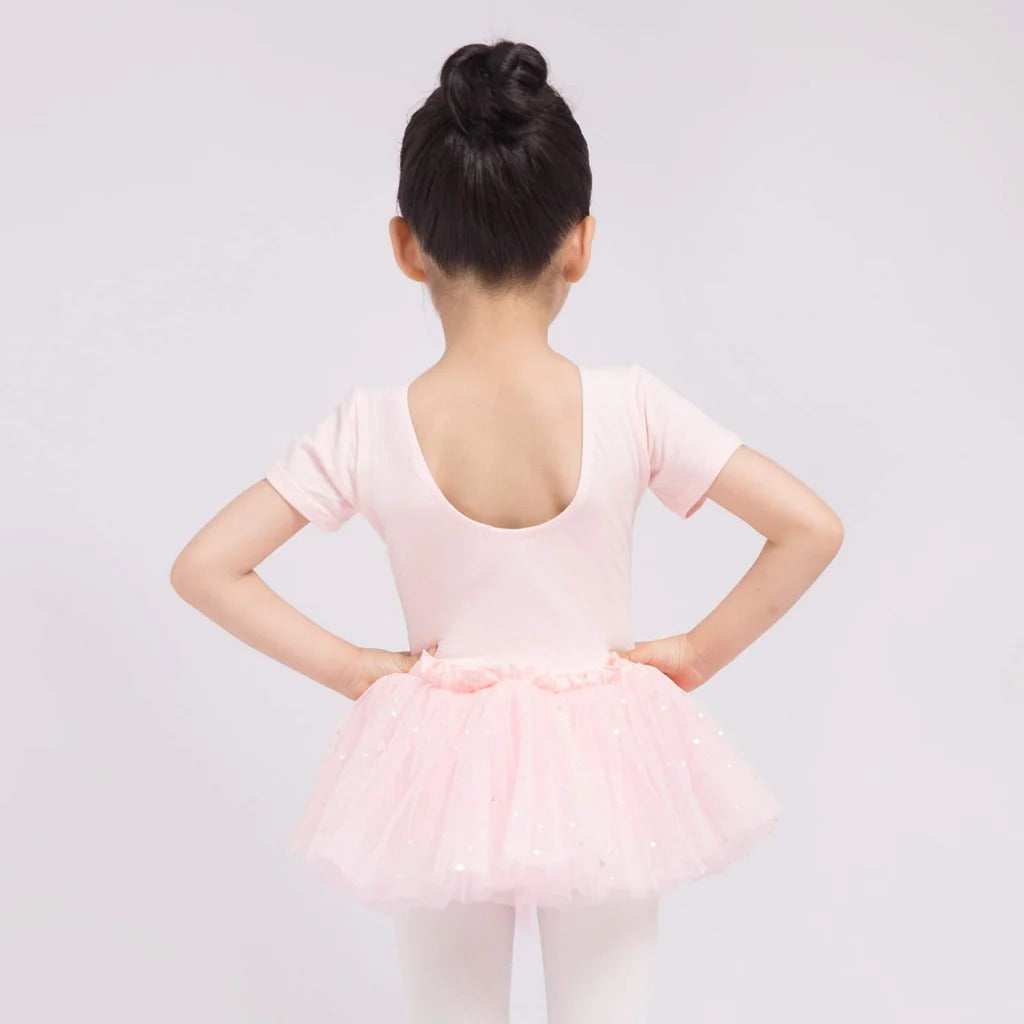
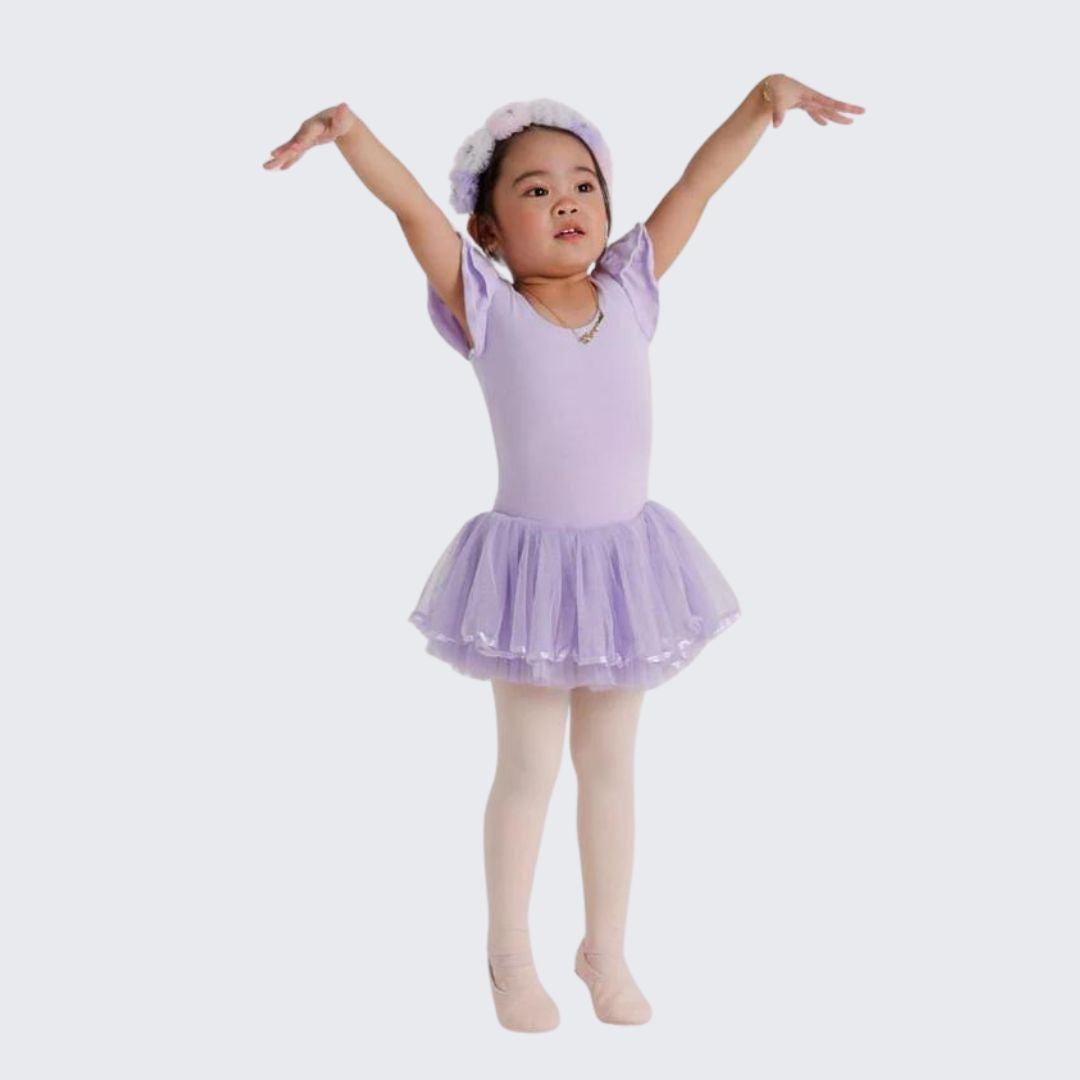
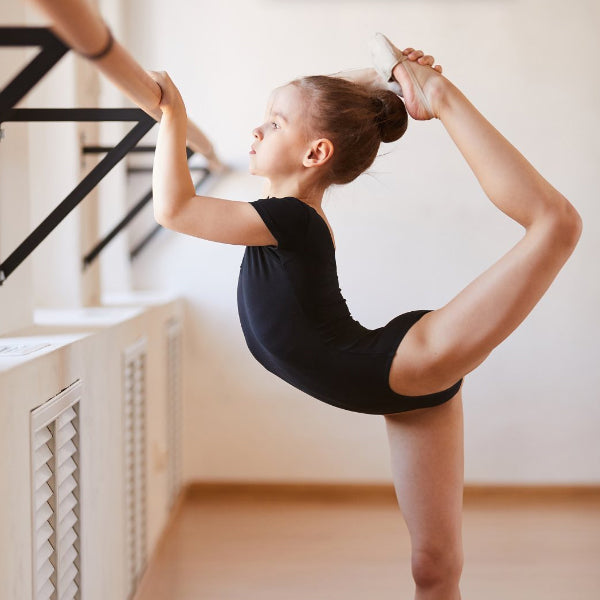
The pictures on our blog are created using artificial intelligence to bring our learning content to life. We hope they make reading and learning more engaging for families.
Sizing, Fit, and Making Tights Last Longer
Correct sizing helps your little one move freely and keeps the waistband from rolling during class. Begin with the maker’s height and weight chart, then check the size against your little one’s current measurements. Age ranges can be helpful, but children grow at different rates. Do not choose a much larger pair for future growth. Extra fabric can bunch behind the knees, slip at the waist, or catch on a ballet shoe. A nylon and Spandex or elastane blend may provide the stretch needed for pliés, jumps, floor work, and repeated dressing.
From my years of experience fitting young dancers, I look for a smooth fit rather than a tight one. The waistband should rest securely around the natural waist without digging into the skin. Your little one should be able to bend, sit, and lift the legs without pinching. Check the gusset, seams, ankle area, and transition opening for pulling. If the fabric turns noticeably sheer across the hips or the waistband slides down after a few movements, the pair may be too small, too large, or not suited to that body shape. See the product page for current specifications.
A Washing Routine That Protects Stretch
- Check the care label. Use the garment instructions first, since fiber blends and finishes can have different needs.
- Rinse after class. If washing must wait, rinse perspiration and studio dust with cool water. Avoid leaving a damp pair in a closed dance bag.
- Wash gently. Place the pair in a mesh laundry bag and use cool water with a mild detergent. Keep them separate from rough towels, hooks, zippers, and clothing with Velcro.
- Skip harsh treatments. Bleach, fabric softener, and hot water can weaken elastic fibers or change the fabric’s hand.
- Air-dry flat or hang carefully. Keep the garment away from a hot dryer, radiator, and direct high heat. Do not wring or twist it.
- Inspect before storing. Check for a small run, loose thread, or stretched waistband. Repair a minor thread issue early, before practice makes it larger.
A pair that keeps its shape through regular lessons can be worth considering alongside low-cost replacements. Look at the waistband recovery, gusset construction, even stitching, fabric density, and softness against the skin. Store clean tights in a drawer away from sharp accessories. These small habits help preserve elasticity and give your little one a more comfortable foundation for steady practice.
Shopping Smart: Amazon, Dance Stores, and What to Look For
Buying these garments is easier when you separate convenience from product guidance. An online marketplace can offer quick delivery, customer photos, size choices, and multipacks. A local dance store can let you feel the fabric, compare shades, and ask questions about a studio dress code. Neither option guarantees the right pair. Before ordering, confirm the required style, color, size, foot design, and return policy. For your little one, a pair that stays in place and feels soft during class matters more than a polished product photo.
Use the listing details as your first quality check. Look for nylon blended with Spandex or elastane, since these fibers are commonly used for stretch and recovery during bends, jumps, and floor movement. Microfiber can feel smooth against the skin. A denier description may help you judge whether the fabric is intended to look more opaque or lightly shimmery. Inspect photographs for even knitting, a clean gusset, seams, and a waistband that appears broad enough to lie flat. Read the full measurement chart rather than choosing by age alone.
| Buying option | Useful strength | What to verify |
|---|---|---|
| Online marketplace | Fast ordering, broad selection, and easy access to reviews | Accurate measurements, current photos, seller details, and return terms |
| Specialty dance store | Hands-on fabric and shade inspection with fitting guidance | Store inventory, exchange rules, and the studio’s required uniform |
For product details, I recommend reviewing the product page and checking the current specifications before ordering. A thoughtful purchase is one that follows the class requirements, supports comfortable movement, and slowly builds a reliable dance bag for the season.
