
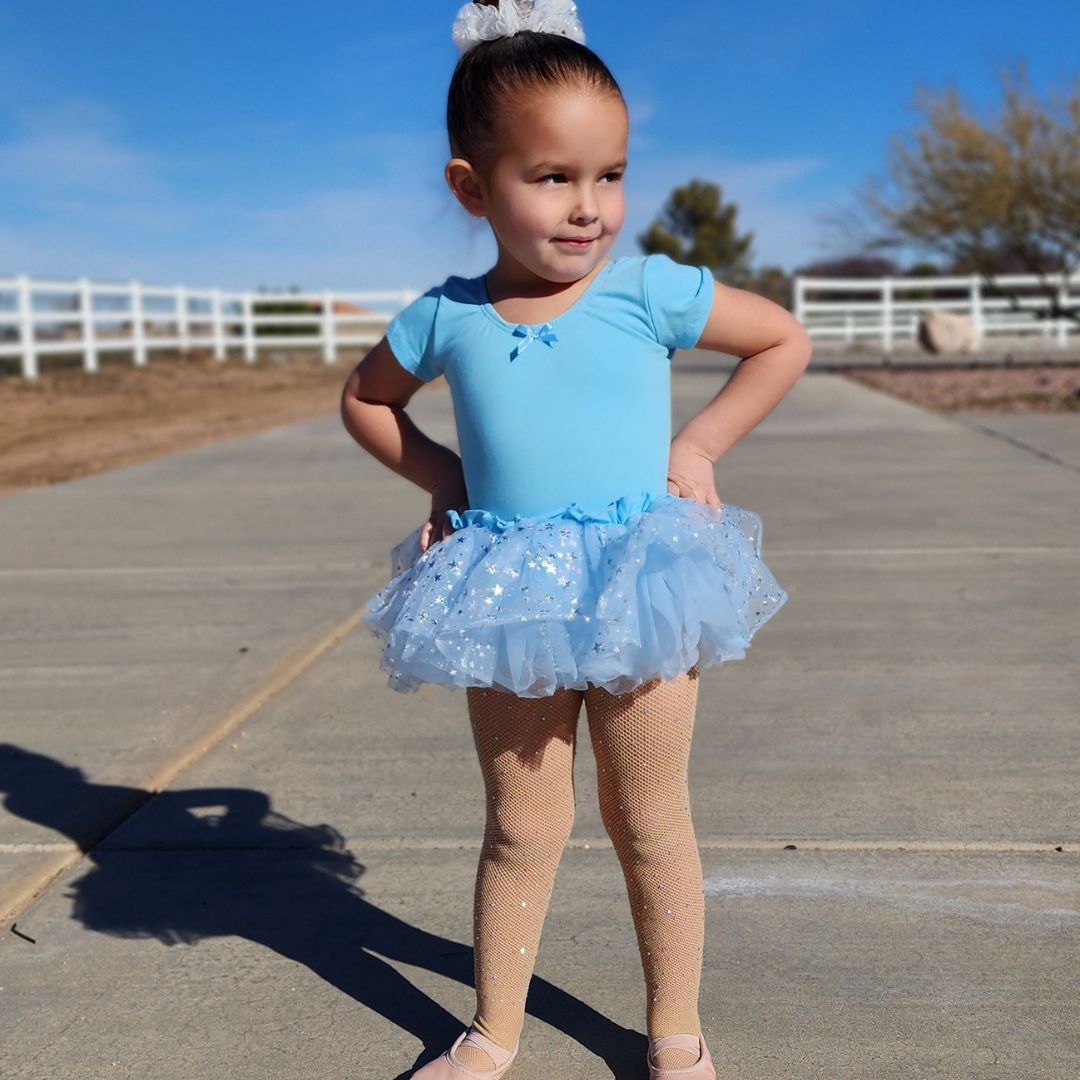


Hello dear friends! Andrea here. As a mom who’s navigated countless milestones with my own little ones, and as the founder of Dancina, I know how many questions pop up when it’s time for that first dance class or a special performance. One question I hear so often, and one I’ve pondered myself, is about the very first ballet slippers: should they be leather or canvas? It seems like a small detail, but choosing the right pair for your little dancer can make a significant difference in their comfort and confidence as they take their very first steps on the dance floor. This decision really is a key part of the journey, and understanding the nuances of why leather vs canvas ballet slippers for little girls which is better often comes down to more than just preference.
It’s a journey filled with wobbly pirouettes, proud smiles, and the sweet sound of tiny feet finding their rhythm. I remember watching my own children discover the joy of movement, and with Dancina Learning now focused on early education, I see that same spark when a child masters a new letter. Both are about building confidence, one step, one stroke at a time. So, let’s explore together what makes each material special and how we can choose the perfect pair that will make your little one feel like the star they are.
Welcome to the Dance Floor: Choosing Your Little One's First Ballet Slippers
A Note from Andrea: When I first started Dancina, it was all about movement and grace. Now, with Dancina Learning, I see how foundational early choices are for a child's development. The right ballet slipper isn't just footwear; it's a tool for building confidence and supporting those precious first movements.
A Parent's Heartfelt Question: Leather or Canvas?
It’s a question that can feel surprisingly big when you’re standing in the dancewear aisle, or browsing online late at night. You want the very best for your little dancer. You’re looking for something that feels just right, something that supports their tiny feet as they twirl, leap, and point. The dilemma of leather versus canvas ballet slippers for little girls is a common one, and it’s born from a place of love and genuine care. Both materials have been cherished by dancers for generations, each offering a unique feel and function. Understanding the differences is the first step in making a choice that you and your little one will feel wonderful about, ensuring their dance journey begins with comfort and joy.
Why This Choice Matters for Tiny Toes
The material of a ballet slipper might seem like a small detail, but for a young, developing foot, it plays a significant role. The way a slipper flexes, breathes, and supports can influence how easily a child learns basic movements and how comfortable they feel during class. For example, leather slippers often offer a more structured feel, which can be beneficial for building foot strength and proper technique in very young dancers. Canvas, on the other hand, is typically lighter and more flexible, allowing for a greater range of motion. Considering these distinctions helps us understand which material might best suit your little one’s specific needs, age, and the type of dance they are doing. It’s about nurturing those growing feet with the right foundation.
Our Dancina Promise: Comfort, Joy, and Confidence
At Dancina, our heart has always been in helping children discover their grace and confidence, whether through dance or through learning. We believe that dancewear should feel like a second skin. Comfortable, supportive, and beautiful, allowing the child to focus on the magic of movement. This philosophy extends to our carefully selected ballet slippers. We strive to offer options that not only look lovely but are also crafted with the well-being of little feet in mind. Our promise is simple: to provide quality, care, and a touch of joy in every stitch, so that your little one can feel completely at ease and empowered, ready to shine on the dance floor.
The Big Ballet Slipper Match-Up: Leather vs. Canvas

Leather Slippers: The Traditional Choice for Support and Durability
Leather has long been a favored material in ballet slippers, and for good reason. It offers a natural stretch that molds beautifully to the foot over time, creating a custom-like fit that feels secure and supportive. This inherent structure helps young dancers develop proper foot articulation and strength, which is why many ballet studios recommend leather full-sole shoes for children under age 7 to build foundational foot strength, as noted in dancewear resources. Leather is also remarkably durable; a well-cared-for pair can often last between 1 to 2 years for a young child, making them a sound investment despite a potentially higher initial cost. This resilience means fewer replacements are needed, even with regular practice, offering peace of mind for busy parents. When considering leather vs canvas ballet slippers for little girls which is better, leather stands out for its lasting quality and supportive nature.
Canvas Slippers: The Lightweight, Breathable Alternative
Canvas ballet slippers offer a wonderful alternative, prized for their lightness and breathability. Made from cotton or a cotton blend, canvas is a soft, pliable material that allows the foot to move freely. This can be particularly appealing for children who find leather a bit too structured or warm. Canvas slippers are excellent for allowing the foot to feel the floor more directly, which can aid in developing a dancer’s sense of proprioception. They are also generally more budget-friendly, often costing 20-30% less than their leather counterparts. While they might require replacement more frequently, typically every 6-12 months depending on usage, their affordability and ease of care make them a popular choice. Many parents find canvas slippers easier to clean, which is a practical advantage for keeping dance shoes fresh.
A Quick Glance: Key Differences at a Glance
| Feature | Leather Ballet Slippers | Canvas Ballet Slippers |
|---|---|---|
| Material Feel | Supple, molds to foot, offers structure | Lightweight, soft, breathable, flexible |
| Durability | High; can last 1-2 years for a young child | Moderate; may need replacement every 6-12 months |
| Support for Young Feet | Excellent for building foot strength and articulation (often recommended for under 7s) | Good flexibility, allows for greater range of motion |
| Cost | Generally higher initial cost | Typically 20-30% less expensive than leather |
| Breathability | Good natural breathability, but can feel warmer | Excellent breathability, keeps feet cooler |
| Care & Cleaning | Requires spot cleaning; not machine washable | Often machine washable (in a garment bag); easier to clean |
| Studio Preference (Common) | Often preferred for beginners, especially younger ones (under 7) for support | Accepted by many studios, especially for older beginners or those prioritizing flexibility |
Pros
- Leather: Superior durability, excellent foot support for building strength, molds to the foot for a personalized fit, often preferred by instructors for beginners under age 7.
- Canvas: Lightweight and breathable, allows for greater foot flexibility and articulation, typically more affordable, generally easier to clean.
Cons
- Leather: Higher initial cost, can feel warmer, not machine washable and requires careful spot cleaning.
- Canvas: Less durable than leather, may need more frequent replacement, can show dirt more easily, offers less structured support for very young, developing feet.
Beyond the Material: What Else Matters for Little Dancers?
Andrea's Insight: Choosing the right ballet slippers is like choosing the right crayon for a drawing. It helps bring the picture to life! Beyond just the material, thinking about the sole, the fit, and even what the teacher suggests can make all the difference for your little one's comfort and confidence as they explore the field of dance.
Full Sole vs. Split Sole: Which Offers the Best Foundation?
When you look closely at ballet slippers, you'll notice a difference in the sole. Some have one continuous piece, while others are divided. For very young dancers, especially those just starting out, a full sole is often recommended. This type of sole provides a solid, supportive base that helps build foot strength and encourage proper alignment. Many ballet studios prefer full-sole slippers for children under seven because they offer excellent stability, which is so important for developing correct technique and preventing injuries during those essential early stages of learning. The continuous sole helps the foot work as a unit, fostering the foundational strength needed for more advanced movements.
On the other hand, split-sole slippers feature a sole divided into two parts. One under the ball of the foot and another under the heel, with a flexible arch area in between. These are typically favored by more experienced dancers, including older children and adults, as they allow for greater flexibility and a clearer articulation of the foot. The split sole enables dancers to point their toes more fully and show the arch of the foot beautifully. While they offer less support than full-sole shoes, they are lighter and can feel more connected to the floor. For beginners, especially when considering leather vs canvas ballet slippers for little girls which is better, understanding the studio's preference for sole type is as important as the material itself.
Finding the Perfect Fit: Snug, Not Stiff!
Getting the fit just right is perhaps the most important aspect of choosing ballet slippers. The goal is a snug fit that hugs the foot without being constrictive. When the little one tries them on, their toes should reach the end of the slipper without being curled or cramped. There shouldn't be significant excess material bunching up at the heel or sides. A slipper that is too loose can cause slipping, affect balance, and potentially lead to falls, which can be disheartening for a young dancer. Conversely, a slipper that is too tight can cause discomfort, blisters, and hinder proper foot development and movement. Many parents find that the material can influence the fit; leather slippers tend to stretch and mold to the foot over time, while canvas slippers maintain their size more consistently.
To ensure the best fit, it’s helpful to have your little one stand and point their toes. You should see a smooth line from the ankle to the tip of the toe, with minimal bagginess. Remember that feet can swell slightly throughout the day, especially with activity, so trying them on towards the end of the day can sometimes give a more accurate sense of fit. For children whose feet are growing rapidly, it's often better to err on the side of a slightly snugger fit rather than a too-large one that they might trip over. This careful attention to fit ensures that their dance shoes support, rather than hinder, their progress and enjoyment. For parents wondering about leather vs canvas ballet slippers for little girls which is better, remember that both materials can offer a great fit when chosen in the correct size and style.
Studio Secrets: Understanding Teacher Preferences
Dance teachers are the guiding stars for our little ones on their ballet journey, and they often have specific recommendations for footwear. Many studios have a preferred type of ballet slipper for their younger students, particularly when it comes to material and sole type. For example, as mentioned in dancewear resources, many ballet studios require leather full-sole shoes for children under age 7 to build foot strength. This guidance is rooted in their experience of what best supports a child's development and technique. It’s always a wonderful idea to check with your child's dance instructor or the studio administrator before purchasing slippers, especially for the first time.
Understanding your teacher's preferences can save you the guesswork and ensure your little dancer is properly equipped according to studio standards. They might recommend a specific brand or style that they know holds up well for class or aids in teaching particular movements. This is particularly helpful when you’re weighing options like leather vs canvas ballet slippers for little girls which is better; a teacher’s input can often provide the definitive answer for your specific class. Their advice is invaluable in ensuring your child has the appropriate foundation for learning and enjoying ballet.
Caring for Their Little Shoes: Cleaning & Maintenance Tips
Keeping ballet slippers clean is essential for comfort and longevity, but the method can differ based on the material. Leather slippers are generally easy to wipe down with a damp cloth to remove dirt. For tougher marks, a mild leather cleaner can be used, followed by a gentle buffing. It's important to avoid soaking leather, as this can damage the material and affect its shape. If they get very dirty, air them out thoroughly and keep them away from direct heat, which can cause the leather to crack or stiffen. Regular care ensures the leather remains supple and supportive for your little one's feet.
Canvas slippers, while often less expensive, can sometimes seem trickier to clean. The good news is that many canvas ballet slippers can be hand-washed. A gentle cycle in a washing machine, perhaps inside a garment bag to protect them, with cold water and mild detergent, can work wonders. However, always check the manufacturer's care instructions first. After washing, it’s best to let them air dry completely, away from direct sunlight or heat, to help them retain their shape. While canvas may need more frequent cleaning than leather, and might need replacing more often. Canvas may need replacement every 6-12 months, whereas leather can last 1-2 years according to dancewear resources. Their ease of washing makes them a practical choice for busy parents. Considering the maintenance aspect can also guide you in deciding leather vs canvas ballet slippers for little girls which is better for your lifestyle.
Your Personal Ballet Slipper Decision Guide
As a mom and founder who has guided so many little ones through their dance journeys, I know that choosing the perfect ballet slippers can feel like a puzzle. You want to make the best choice for your child, one that supports their budding passion and feels just right for their tiny feet. It’s not always a straightforward answer, and that’s perfectly okay! Every child is unique, and their dance needs can vary. To help you navigate this delightful decision, I’ve put together a guide to help you think through the key factors. This journey of leather vs canvas ballet slippers for little girls which is better often leads to a choice that’s just right for your family and your little dancer.
Are They a Beginner or a Budding Ballerina?
The very first steps on the dance floor are precious, and for absolute beginners, especially those under age 7, the focus is often on building foundational foot strength and proper technique. Many ballet studios recommend traditional leather full-sole shoes for this stage. Research suggests that leather offers excellent support for developing feet, helping them learn to point and flex correctly, which is why studios often require them for younger students [https://www.reddit.com/r/BALLET/comments/wf64gp/canvas_or_leather_ballet_slippers/]. This structured support can prevent the foot from collapsing and encourage the development of essential muscles. If your little one is just discovering the magic of ballet, leaning towards a supportive material like leather might be the most beneficial starting point.
As a child progresses and gains strength and confidence, their needs might evolve. A budding ballerina who has been dancing for a while, or who is transitioning to more advanced classes, might benefit from the increased flexibility and freedom offered by canvas slippers. Canvas allows for a more pronounced arch and a greater range of motion, which is often desired in later stages of ballet training. If your child is already showing a strong commitment and has developed good foot control, canvas can be a wonderful choice to allow for more expressive movement. Thinking about your child’s current stage in their dance education is a key piece of the puzzle when deciding leather vs canvas ballet slippers for little girls which is better.
Does Your Studio Have a 'Must-Have' Material?
This is a question I always advise parents to ask! Dance studios often have specific requirements for student footwear, and these guidelines are usually in place to ensure consistency, proper technique, and safety. For younger dancers, many studios prefer leather full-sole shoes to help build foot strength and alignment, as noted by dancewear experts [https://stelleworld.com/blogs/kids-dance-tips/choose-the-right-ballet-shoes-for-your-child]. They’ve seen firsthand what works best for developing young dancers and want to set each child up for success. Checking with your studio’s administrator or your child’s instructor is the most direct way to find out if there’s a mandated material. This simple step can save you time and ensure your little one is perfectly outfitted for class from day one.
If your studio allows for a choice between leather and canvas, you have more flexibility. However, it’s still wise to consider the instructor’s general philosophy. Some teachers might lean towards one material over the other based on their teaching style or the specific curriculum. For example, if the focus is heavily on building ankle and foot strength from the ground up, leather might be favored. If the emphasis is on flexibility and articulation early on, canvas could be suggested. Always remember that the teacher's guidance is invaluable. Their expertise can help you make an informed decision that aligns with your child’s training and the studio’s expectations.
What's Your Priority: Lasting Power or Easy Cleaning?
Let’s talk practicalities! As parents, we’re always looking for solutions that make our busy lives a little easier, and shoe maintenance is no exception. Leather ballet slippers are known for their impressive durability. A good pair can often last a young child anywhere from 1 to 2 years, depending on how frequently they are worn and how well they are cared for [https://www.reddit.com/r/BALLET/comments/wf64gp/canvas_or_leather_ballet_slippers/]. While the initial investment might be higher, their longevity can make them a cost-effective choice over time, meaning fewer replacements are needed for growing feet. Their supple nature means they mold to the foot, offering a personalized fit that lasts.
Canvas ballet slippers, while perhaps not as inherently durable as leather, offer a significant advantage in terms of ease of cleaning. Many canvas slippers are machine washable (on a delicate cycle, of course!), making it simple to keep them fresh and presentable. This is a huge plus for parents dealing with muddy puddles or particularly enthusiastic practice sessions! While canvas slippers might need replacing every 6 to 12 months due to wear and tear, their affordability and washability can balance out the cost and effort. If you find yourself prioritizing simple, straightforward maintenance, canvas might be the more appealing option for your family.
The 'Mom-Approved' Flowchart: Your Path to the Right Choice
To help you visualize the decision, let’s walk through a simple flowchart. This is designed to guide you, step-by-step, towards the best choice for your little one. Think of it as a friendly conversation, much like we’d have over a cup of tea!
-
Step 1: Check Studio Requirements. Does your dance studio have specific rules about ballet slipper material (leather, canvas) or sole type (full, split)?
- Yes: Follow the studio’s guidance for your child’s age group. This is the most important factor!
- No: Proceed to Step 2.
-
Step 2: Consider Your Child's Age and Experience.
- Younger Child (Under 7) / Absolute Beginner: Prioritize support and durability. Often, leather full-sole slippers are recommended to build foundational strength.
- Older Child / More Experienced Dancer: Flexibility and range of motion might be more important. Canvas split-sole slippers can be a great choice.
-
Step 3: Think About Your Priorities.
- Priority: Long-lasting wear and supportive structure? Leather is likely your best bet.
- Priority: Breathability, flexibility, and easy cleaning? Canvas could be ideal.
- Priority: Budget-friendliness and frequent replacement? Canvas is typically more affordable upfront.
By answering these questions, you’ll find the path to the perfect pair. Whether you choose leather or canvas, the most important thing is that your little one feels comfortable, confident, and ready to dance!
Completing the Look: From Practice to Party

The journey of choosing ballet slippers is about more than just the material; it's about preparing your little one for magical moments, from their first tentative plié in class to the spotlight of a special performance. The right pair of slippers isn't just footwear; it’s a confidence booster, a symbol of their dedication, and a beautiful complement to their dance attire. When you select a pair, whether it’s our supportive leather options or our breathable canvas styles, you’re helping to create a complete picture of a happy, confident dancer ready to shine.
Ballet Slippers for Recitals and Special Moments
Recitals and special performances are often highlights in a young dancer's journey, filled with excitement and a touch of sparkle. For these moments, the ballet slippers you choose play a role in the overall presentation. While comfort and fit are always paramount, the visual appeal also matters. A beautifully crafted pair of ballet slippers, whether they are a classic nude leather or a pristine white canvas, can add that perfect finishing touch to a recital costume. They are the foundation upon which your little dancer will perform their routine, so ensuring they are both comfortable enough for the performance and visually appropriate for the costume is key. They are the quiet heroes that allow the magic to happen!
Pairs Beautifully With Our Tutus and Leotards
At Dancina, we believe that every little dancer deserves to feel like a star, from their head to their tiny toes. Our collection of ballet slippers is designed to complement our range of adorable tutus and elegant leotards. Imagine your little one twirling in one of our frothy tutus, perfectly paired with a set of soft ballet slippers that match their outfit. Whether you opt for classic ballet pink, elegant white, or a fun accent color, our slippers are chosen to enhance the overall look, making your child feel complete and ready for any dance occasion. Our carefully selected Little Girls Shoes are designed with both style and comfort in mind, ensuring they are the perfect final touch to any dance ensemble.
Andrea's Tip: When choosing slippers for a special event, consider the color of the costume. A matching or coordinating slipper can make the whole outfit look incredibly polished and professional, even for the youngest dancers. Our range of Little Girls Shoes offers beautiful options to complete any look!
Real Parent Tips: What I Learned Along the Way
As a fellow parent, I know the value of shared wisdom! Over the years, I’ve collected a few pearls of advice from other moms and dads, and from my own experiences, that might make your ballet slipper journey a little smoother. One mom shared that she always buys slippers slightly larger than her child’s current shoe size, knowing that little feet grow so fast. She says it’s better to have a tiny bit of room than for the slippers to become too small too quickly. Another parent mentioned the importance of having a spare pair, especially if using canvas slippers that need washing. This ensures there’s always a clean, dry pair ready for class!
My own biggest takeaway? Don't be afraid to ask questions! Check with your child's dance teacher, consult other parents, and trust your instincts. The goal is always to support your child's love for dance. If one pair doesn't feel quite right, it’s okay to try another. The perfect pair is out there, waiting to help your little one dance with joy and confidence. Remember, the joy of movement is the most important thing, and the right slippers are just a part of that wonderful adventure.
