
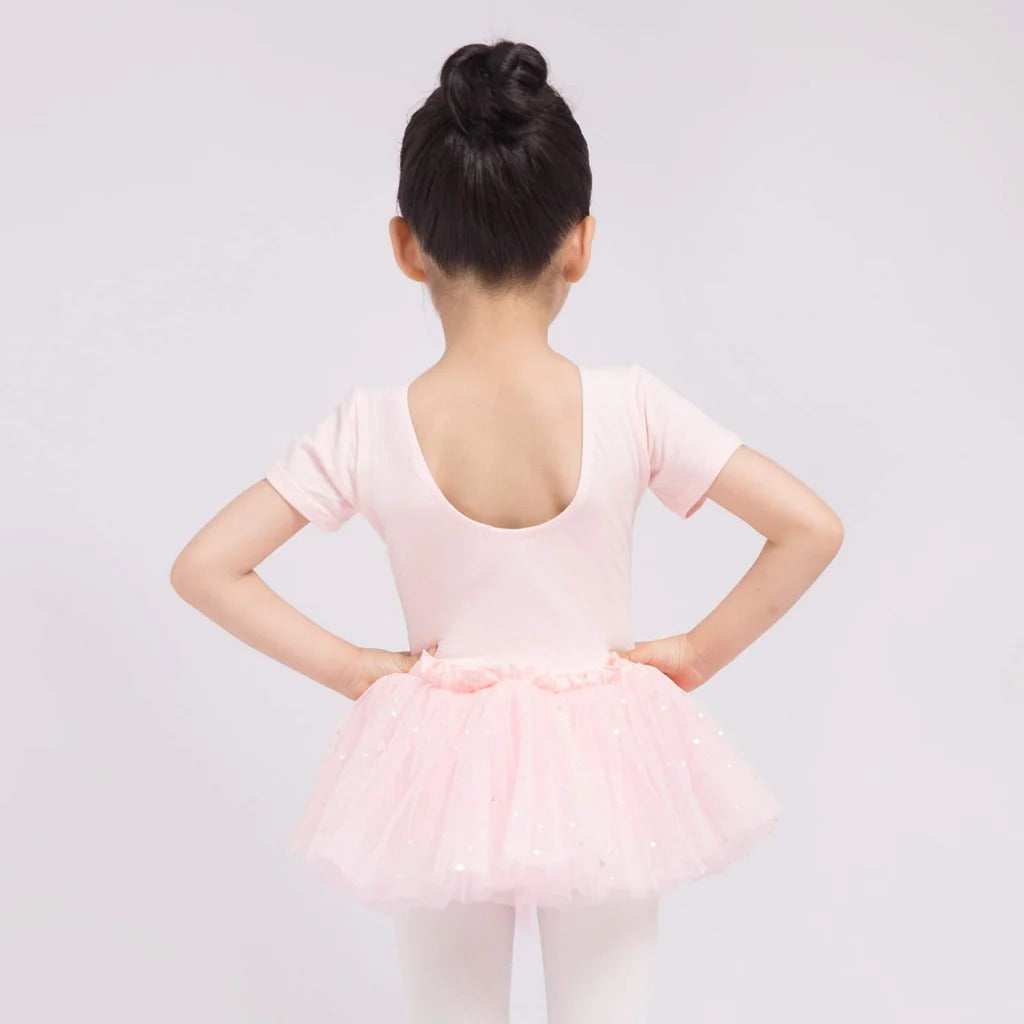
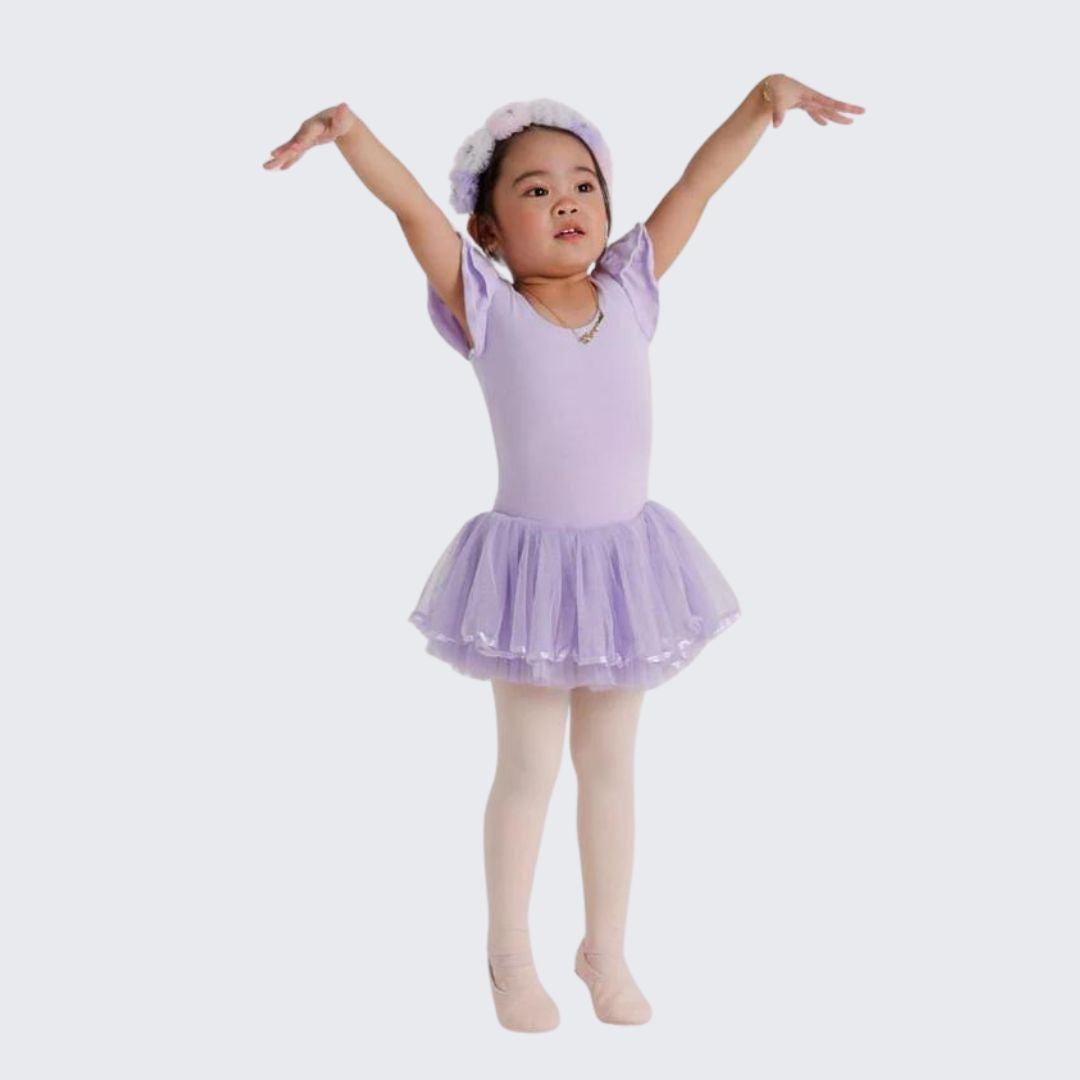
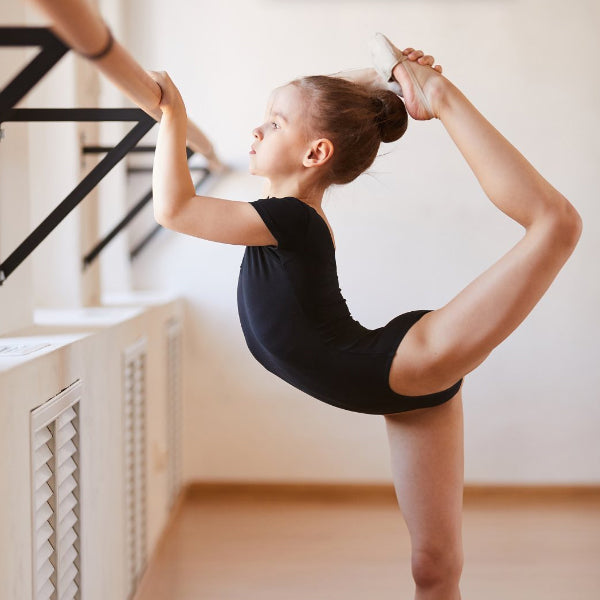

white ballet tights
Choosing white ballet tights becomes easier once you know how each style supports movement, foot comfort, and studio dress codes. I’m Andrea Schiffer, founder of Dancina and a longtime dance educator. For your little one, the best pair should stay in place, feel soft against the skin, and allow natural movement during class.
Key Takeaways
- Choosing white ballet tights becomes easier once you know how each style supports movement, foot comfort, and studio dress codes.
- I’m Andrea Schiffer, founder of Dancina and a longtime dance educator.
- For your little one, the best pair should stay in place, feel soft against the skin, and allow natural movement during class.
Footed tights cover the heel and toes for a traditional studio look. Footless tights stop at the ankle and may feel more comfortable for children who dislike warm feet. Convertible tights include an opening beneath the arch, so your little one can switch between covered and uncovered feet. Choose based on class requirements, footwear, skin comfort, and how easily your little one can manage the garment independently.
Finding the Right Style: Footed, Footless, and Convertible Handwriting exercises for children
Footed tights provide full coverage from the waist through the feet. They create a smooth line with ballet slippers and can keep ankles and lower legs covered during floor work. Footless tights end near the ankle, which makes them useful for classes that involve bare feet, modern movement, or frequent shoe changes. They also allow more air around the toes. Convertible tights offer both options. Your little one can wear them over the foot during barre work, then pull the opening beneath the arch when changing shoes or checking the toes.
Fabric thickness matters as much as the style. Denier describes the weight and opacity of many hosiery fabrics. A higher denier usually provides more coverage, while a lightweight pair may feel cooler but look more sheer when stretched. Research from Snag Tights identifies 120 denier as super-opaque, a useful reference for families concerned about see-through fabric. For a young dancer, look for a soft waistband, four-way stretch, a smooth gusset, and stitching that does not rub the toes. The Ballet Pro Transition Tights are a featured option for children to review.
Getting the Fit Right: Measuring, Sizing, and Caring for Dance Tights

Start with the manufacturer’s size chart rather than your little one’s clothing size. Measure height without shoes, then check the waist and hip measurements if the chart requests them. A correct fit should lie smoothly from the waist to the ankle. It should not create deep folds behind the knees or pull tightly across the seat. If the waistband rolls, the pair may be too small, too short in the torso, or made with a band that does not suit your little one’s shape. If the ankle gathers, the tights may be too long.
- Measure over a thin layer of clothing, not bulky pajamas.
- Check that the gusset sits correctly and does not twist.
- Look for even stretch across the thighs and calves.
- Wash after use according to the care label.
- Use cool water and mild detergent when permitted.
- Skip bleach, rough surfaces, and high dryer heat.
- Air-dry flat or hang from the waistband to protect the fibers.
Teach your little one to gather the tights gently at the toes before pulling them upward. This reduces snagging from fingernails. Store them fully dry, separate from shoes and hair accessories. The Ballet Pro Transition Tights can be checked using the same fit points: secure waist, smooth seat, comfortable foot opening, and enough length for movement.
Writing practice for children Brand Comparison: What Brands Offer
Brand names can help you narrow the search, but the label matters less than the features that suit your little one. Check fabric content, opacity, stretch, waistband construction, and the size chart before choosing a pair. Listed prices vary across retailers such as Macy’s and Move Dance. A soft fit that stays in place may be more useful than a lower price.
| Brand | Typical price position | Opacity and material notes | Standout consideration |
|---|---|---|---|
| Capezio | Check retailer listing | Review the product listing for fabric, stretch, and care details. | Compare available dancewear silhouettes. |
| Bloch | Check retailer listing | Review the product listing for fabric, stretch, and construction details. | Compare available dancewear fits. |
| Move Dance | Check retailer listing | Its footless tights listing gives shoppers a direct view of fabric, sizing, and care details. | A practical option for children who prefer uncovered feet. |
| Snag Tights | Check retailer listing | Its product information identifies 120 denier as super-opaque, which may help families concerned about transparency. | Its Curvilicious sizing approach is one fit detail shoppers can review. |
| So Danca | Check retailer listing | Review the product listing for fabric, stretch, and coverage details. | Its tights collection can help you compare construction details before ordering. |
Use this table as a starting point, not a final verdict. A child who dislikes toe coverage may need a footless design. A dancer who changes shoes often may prefer a convertible opening. If fabric looks sheer when your little one bends at the knees, choose a denser knit and check the garment in natural light. A waistband should rest flat across the torso, with enough recovery to stay secure during jumps and floor exercises.
For a child who needs flexible coverage, I also feature the Ballet Pro Transition Tights. The product can be considered alongside other options for classes with different movement sections. The Ballet Pro Transition Tights should still be checked against your studio dress code and your little one’s measurements before purchase.
Real Dancer Pain Points and How the Industry Is Changing
Even well-fitting children’s handwriting practice can create distractions during class. Sheer fabric may reveal underwear or skin when your little one bends, stretches, or sits. This can lead to extra layering, bunching, and unwanted warmth. A denser knit can provide more coverage. Research from Snag Tights describes 120 denier as super-opaque, which gives families a useful reference when transparency is a concern. Still, opacity should be checked while the garment is stretched, since movement changes how fabric looks. Natural light offers a better test than a dim bedroom.
Footed styles can also bring practical discomfort. Sweat may collect around the toes, especially during a long rehearsal or a warm studio class. Seams can rub, and tight fabric around the forefoot may make shoes feel crowded. Your little one may benefit from a footless or convertible design if covered feet cause repeated complaints. Watch for signs such as pulling at the toes, removing slippers between exercises, or asking to change clothes immediately after class. These details are useful feedback, not misbehavior. A child who feels comfortable can give more attention to balance, posture, rhythm, and listening.
Shade is another honest concern. White fabric does not match every dancer’s skin, and a required uniform color can make Black and brown dancers feel less seen. Families searching for dance tights skin tone options may find that available shades do not reach deep enough or do not provide a close match. This is not a small style issue. Color affects comfort, belonging, and how naturally your little one feels able to move in class. A studio can help by allowing a wider range of neutral shades when dress codes permit, while manufacturers can improve shade depth, undertones, and product photography.
Families can encourage better design by giving clear feedback about shade, stretch recovery, toe seams, and durability. I also recommend considering the Ballet Pro Transition Tights when comparing options. The Ballet Pro Transition Tights still need to meet the studio’s uniform rules and your little one’s comfort needs. The best choice is the one that stays secure, feels gentle, and lets your little one focus on dancing rather than adjusting clothing.
Before purchasing, ask your studio about acceptable colors, coverage, and foot style. Then consider opacity, breathability, toe comfort, waistband stability, and shade suitability together. Those checks make choosing children’s dance tights more thoughtful and personal for your little one.
