

dance leotards
Choosing dance leotards can feel tricky when the fabric looks different under studio lights, sizing changes by cut, and a little one needs to move freely. I look first at opacity, torso girth, lining, and the way the garment feels during movement. Those details matter more than a pretty photo or a familiar street size.
Key Takeaways
- Always check the torso length measurement because a leotard that is too short or too long can restrict movement and cause discomfort.
- Test opacity by stretching the fabric over your hand in bright light, especially for lighter colors and thin materials.
- Look for a leotard with a full lining or a built-in shelf bra so your child feels secure and covered during jumps and turns.
- Fit should be snug but not tight, so let your dancer move freely through their full range of motion before deciding on a size.
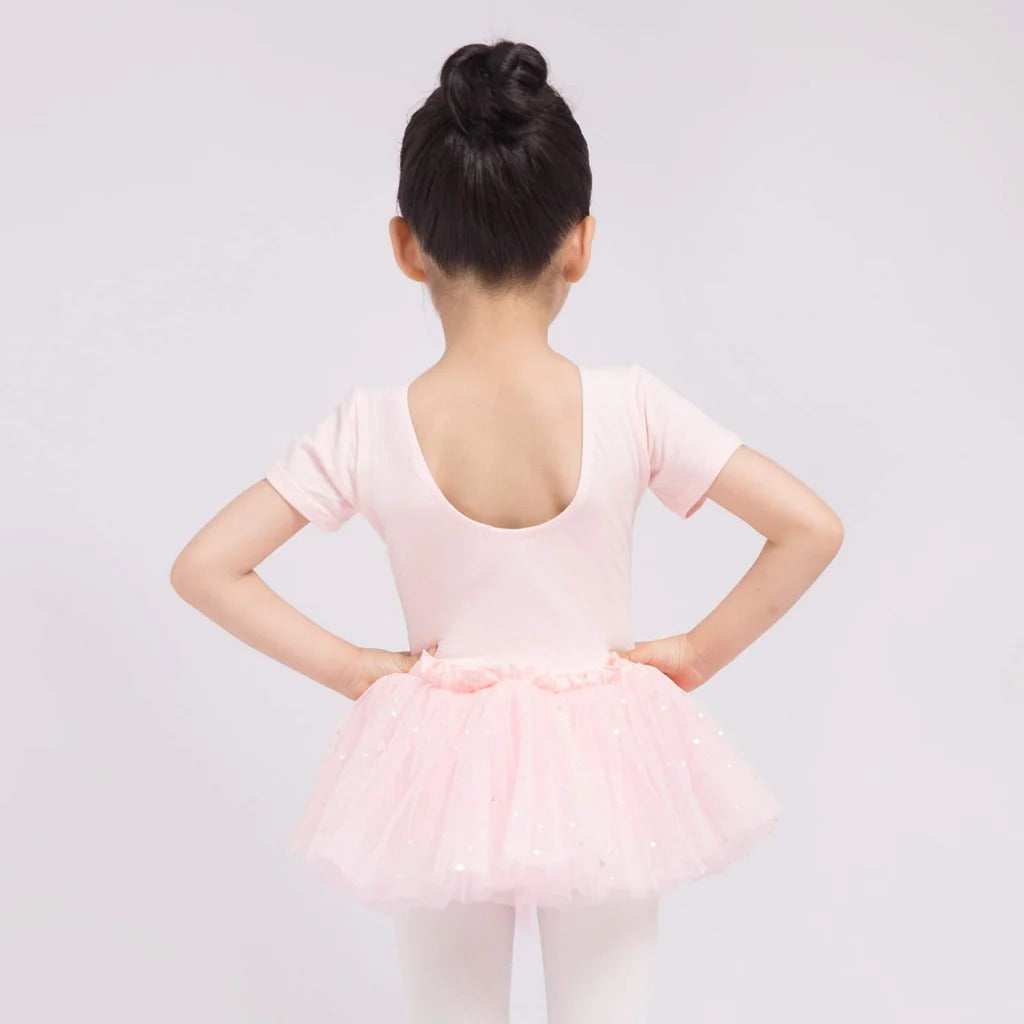
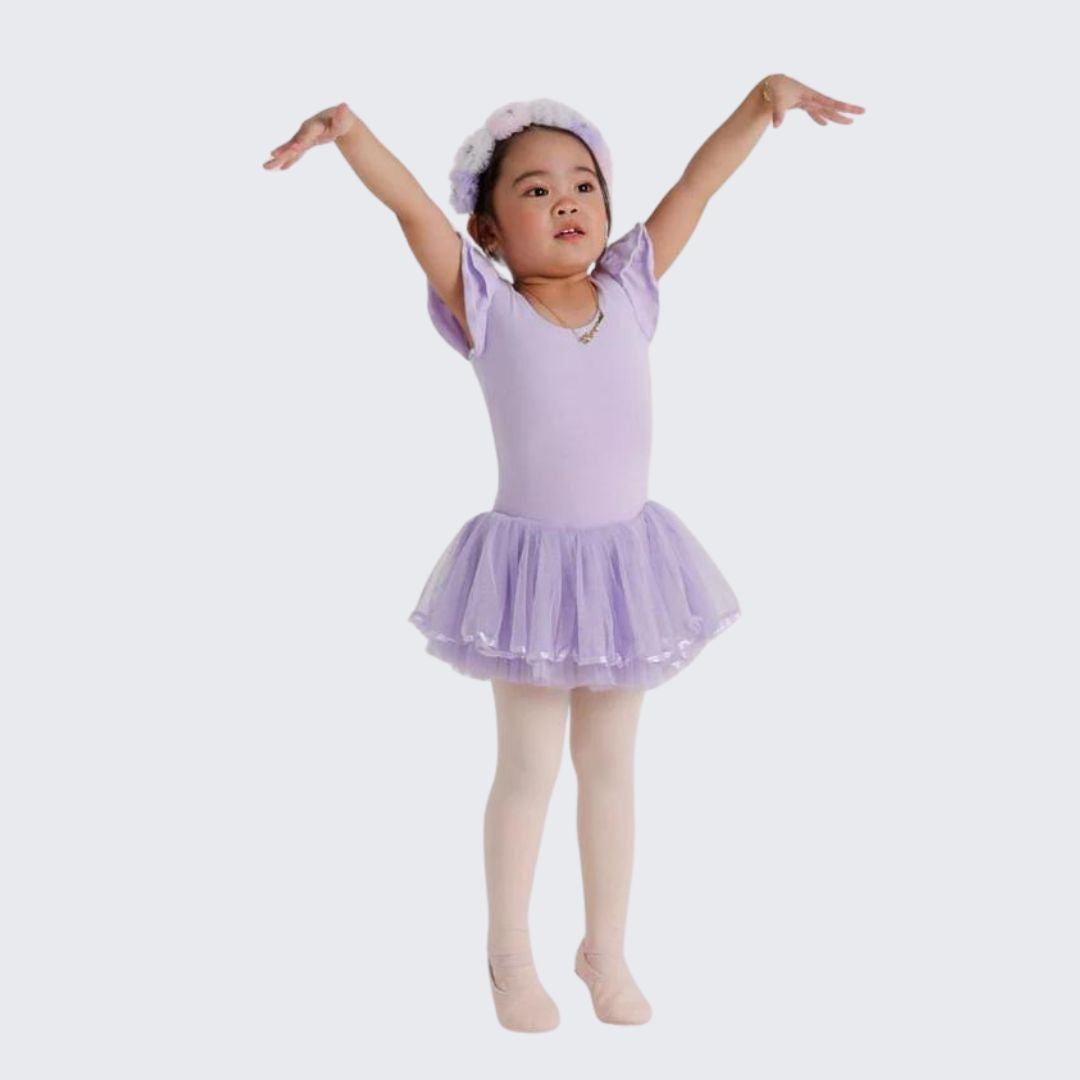
For your little one, a good fit should stay in place through stretching, jumping, and turning. It should offer enough coverage without pinching at the shoulders, leg openings, or neckline. I recommend checking measurements carefully before buying, then using a few simple fit tests at home.
Choosing Dance Leotards: What to Look for Beyond the Label
Check fabric opacity in bright light, read the fiber blend, and measure torso girth from shoulder to crotch and back up again. Cotton-spandex usually feels soft and breathable. Nylon-spandex often feels smoother and holds its shape well. A lining can improve coverage, especially in pale colors, but a lined garment still needs a proper fit.
To test opacity, hold the fabric near a window or under a bright lamp. Look for stretched areas across the seat, chest, and sides. Pale shades need extra care because fabric may become more transparent when your little one bends or reaches. A medium or higher fabric weight can help, though weight alone does not guarantee coverage. Check whether the front, back, or full body includes a lining. Stretch the fabric gently and inspect it from several angles.
Torso girth deserves special attention. Measure with a soft tape from the top of one shoulder, down through the legs, and back to the same shoulder. Keep the tape close to the body without pulling it tight. Compare that measurement with the garment’s size chart rather than relying on age, height, or street clothing. Research reviewed from Move Dancewear identifies girth as a central part of leotard sizing, and this measurement can explain many fit problems that a chest or waist measurement misses.
Fit and Feel: Ensuring Comfort and Confidence for Your Little Dancer

Support and coverage should match your little one’s age, movement, and studio expectations. For young children, a well-fitted lined front often provides enough coverage for class. Adult and teen cuts may need more shaping or a built-in shelf lining. Check that the bust area lies flat while your little one reaches overhead. The fabric should cover the chest without pressing into it, and the armholes should allow full movement without exposing the side of the body.
Most studios expect dancers to wear a leotard without regular underwear beneath it. Underwear can create visible panty lines, bunching, and extra seams. Follow the studio’s written policy first. If an undergarment is needed, choose a dance brief in a close color with flat edges. A cotton-lined gusset can provide softness and breathability. Inspect the gusset seam, too. A bulky or scratchy seam may become distracting during floor work.
Common Fit Questions
- How can I prevent visible panty lines?
- Start with a properly fitted garment and follow the studio’s undergarment rules. A smooth dance brief or a lined gusset may reduce outlines. Avoid sizing down, since tight fabric can make seams more visible.
- What if the leotard rides up?
- Check torso girth before changing the shoulder straps. A short torso can pull the garment upward and place strain at the crotch. A longer cut may provide a better fit.
- How should a lined front feel?
- It should lie flat and cover the chest without folding. Look for soft edges and enough stretch for reaching, bending, and turning. Your little one should be able to move steadily without adjusting the garment.
The pictures on our blog are created using artificial intelligence to bring our learning content to life. We hope they make reading more engaging.
Leotards for Every Occasion: Studio Dress Codes and Audition Ready Looks
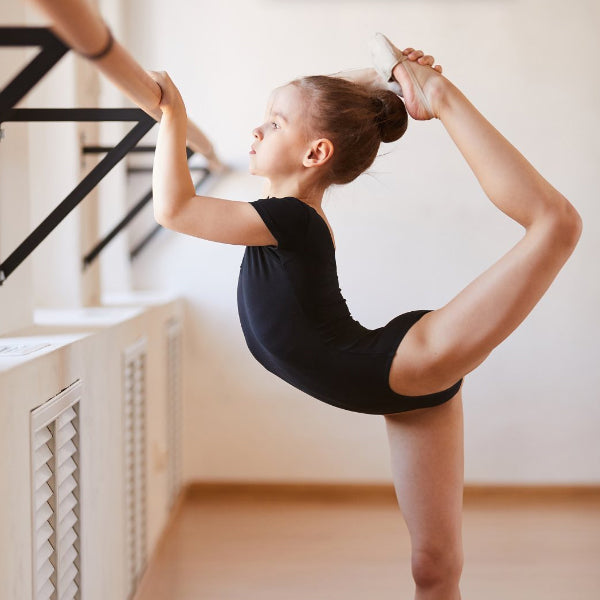
Studio rules should guide the color and shape you choose before personal style does. Many classical ballet programs ask students to wear a solid black leotard for regular classes, often with a specific sleeve length or neckline. If the policy says black, choose a true, even black rather than a print, color panel, or shiny fashion finish. For auditions, a simple silhouette usually works best. It keeps the dancer’s lines visible and lets instructors watch posture, alignment, and movement without visual distractions.
Neckline and strap design also matter. A high scoop or modest V-neck can provide secure coverage during bending and floor work. Tank straps suit many class uniforms, while short sleeves may be requested for ballet or contemporary training. Cross-back and camisole styles can stay in place during movement, but they may not meet a studio’s uniform rule. Read the handbook before shopping, and ask whether the school requires a specific color, back style, or sleeve.
| Setting | Useful features | Details to check |
|---|---|---|
| Daily ballet class | Solid color, secure straps, lined front | Uniform shade, neckline, sleeve rule, and leg coverage |
| Audition | Clean silhouette, opaque fabric, comfortable fit | Nothing should distract from posture, turnout, or range of motion |
| Rehearsal or performance | Shape-retaining stretch, smooth seams, suitable color | Stage lighting, costume direction, and freedom for choreography |
| Tap or jazz class | Flexible fabric, supportive arm openings, durable construction | Movement demands, layering needs, and the class dress code |
Fabric choice can change the experience under studio lights. Cotton-spandex often feels soft and breathable for daily practice. Nylon-spandex commonly feels smooth and keeps its shape through repeated movement. For pale or white styles, inspect the garment near a bright window and stretch the chest, seat, and side panels gently. Look for a front lining and consistent coverage when the fabric is extended. For your little one, the best choice is the one that follows the class rules, stays secure through movement, and allows steady attention during practice.
Caring for Dancewear: Keeping Leotards in Great Shape
Proper care helps handwriting exercises for children keep their stretch, color, and shape through regular classes. Check the garment label first, since fiber blends and decorative details may need different treatment. In most cases, turn the leotard inside out and wash it in cool water with a mild detergent. A mesh laundry bag can help protect thin straps, seams, and fabric from snagging.
Skip chlorine bleach, fabric softener, and harsh stain removers. Bleach can weaken elastic fibers and alter dark colors. Fabric softener may coat the fibers, making them less breathable and reducing their ability to recover after stretching. For a small spot, dab gently with cool water and mild soap. Avoid vigorous scrubbing around the neckline, leg openings, and gusset.
Air-drying is the safest choice for maintaining elasticity. Lay the garment flat on a clean towel or hang it from the waistband rather than a thin strap. Keep it away from direct sunlight, radiators, and hot dryers, since heat can affect spandex and cause the fabric to lose its original shape. Do not wring the garment. Press out extra water with a towel instead.
Before storing it, make sure the leotard is fully dry. Fold it loosely in a drawer, separated from rough Velcro, zippers, and embellished costumes. Inspect the seams and lining every few weeks. Loose threads, stretched straps, or thinning fabric are signs that the garment may no longer provide reliable coverage during class. With gentle laundering and steady care, a well-fitted leotard can remain comfortable for many practices.
Frequently Asked Questions
What are the best leotards for dancing?
The best writing practice for children are opaque, well-fitting, lined when needed, and comfortable through stretching, jumping, and turning. I recommend checking torso girth, fabric blend, leg openings, shoulder seams, and studio dress rules. Cotton-spandex feels soft and breathable, while nylon-spandex often feels smooth and keeps its shape.
What is a dance leotard called?
A dance leotard is also called a ballet leotard, dancewear, or a ballet uniform. The name may change by studio, age group, or dance style, but the garment is a close-fitting one-piece made for movement. Studio rules may specify its color, sleeves, neckline, or back design.
What's the difference between a dance leotard and a gymnastics leotard?
Children’s handwriting practice are made for studio classes, rehearsals, and performances, while gymnastics leotards are designed for tumbling and apparatus work. Dance styles often follow a simple uniform color and silhouette, while gymnastics styles may use brighter designs, extra decoration, or competition-specific cuts. Both should fit securely without limiting movement.
Do dancers wear bras under leotards?
Young dancers often do not wear a regular bra under a properly fitted, lined leotard. Older dancers may choose a dance bra, camisole, or shelf-lined style when more support is needed, subject to studio rules. Regular underwear can bunch or show through, so a smooth dance brief may work better.
What do dancers do about pubic hair?
Dancers do not need to remove pubic hair to wear a dance leotard or attend class. A properly fitted leotard, smooth dance brief when allowed, and a comfortable gusset provide suitable coverage. Young children should follow family preferences and studio rules, with no grooming routine needed for ordinary dance participation.
How can I tell if a child’s dance leotard fits correctly?
A child’s dance leotard fits correctly when the shoulder seams stay in place, the leg openings lie flat, and the torso feels smooth without riding upward. Measure torso girth from shoulder to crotch and back to the same shoulder, then compare it with the size chart. Check movement with reaching, bending, and turning.
