

difference between matching family Christmas pajamas and individual holiday dresses
Choosing between matching family Christmas pajamas and individual holiday dresses starts with the event, not the photograph. Matching family Christmas pajamas offer relaxed group unity, while individual holiday dresses provide personal, polished style. Decide where your little one will be, how long the outfit must remain comfortable, and whether the gathering calls for sleepwear or occasion clothing.
Key Takeaways
- The event itself should guide your choice between matching pajamas and individual dresses.
- Matching family pajamas are wonderful for creating a sense of relaxed group unity.
- Individual holiday dresses allow each child to express their own polished style.
- Think about where your little one will be and how long their outfit needs to stay comfortable.
A holiday wardrobe can include both. Matching pajamas suit slow mornings and home traditions. A holiday dress fits services, parties, and formal meals. Planning by occasion helps mothers and grandmothers avoid buying an outfit that looks lovely in pictures but does not suit the day.
Event-by-Event: Where Matching Pajamas Shine vs. Where Holiday Dresses Steal the Show
Christmas Morning and Cozy Gatherings: Pajama Territory
Matching pajamas work best for Christmas morning, breakfast at home, gift opening, movie time, and informal visits with close family. They make a group photograph feel connected without requiring formal poses. Soft cotton, bamboo, or lightweight jersey suit indoor celebrations, especially in warm rooms. Heavy flannel and long sleeves may feel too warm during active play, so check fabric weight before buying. Easy waistbands and room to move matter more than a perfectly identical print.
Church Services, Parties, and Formal Meals: Dress Territory
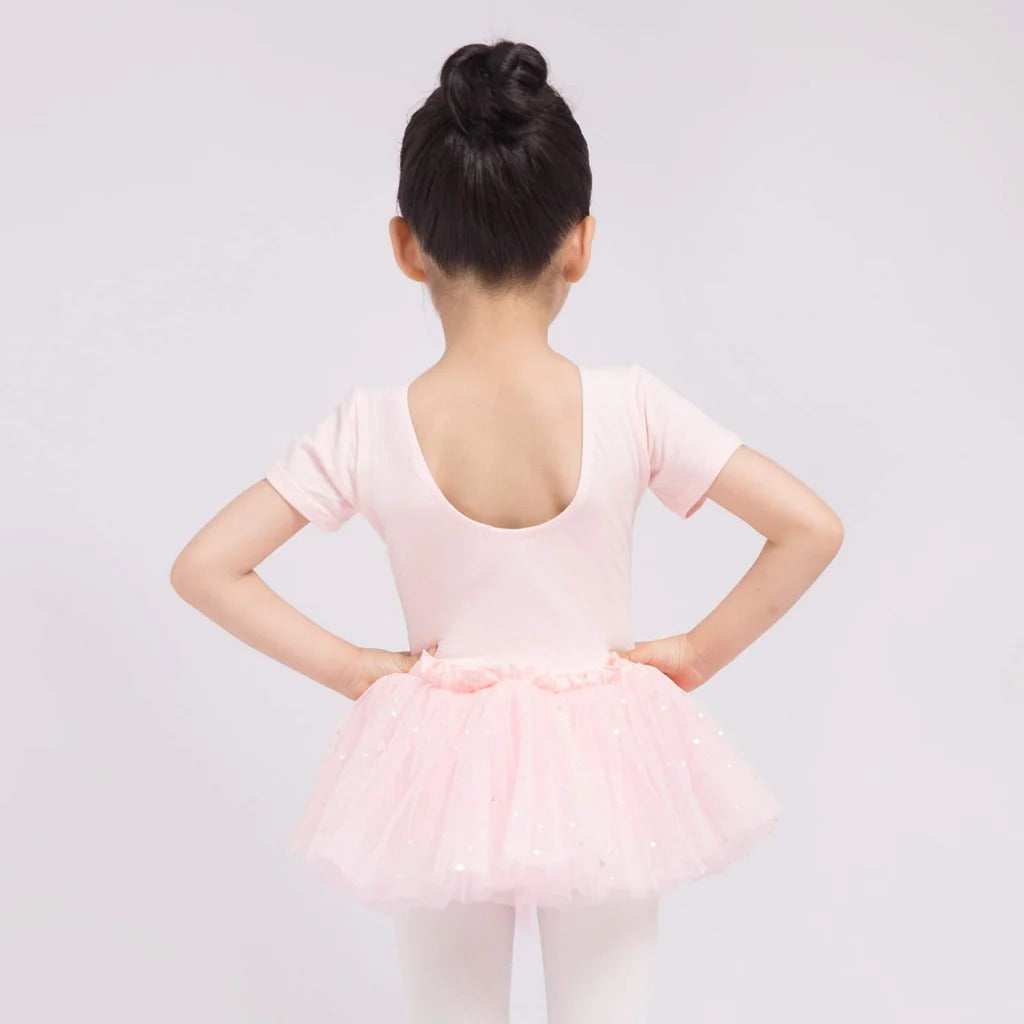
Individual holiday dresses fit church services, school concerts, restaurant dinners, formal family portraits, and evening parties. A dress creates a defined occasion look while allowing color, sleeve length, hemline, and shoes to reflect personal taste. Velvet, corduroy, knit dresses, and layered cotton can feel festive without making movement difficult. A formal dress may be worn only a few times before a growing child needs another size, so consider whether the event schedule justifies the purchase.
Multi-Day Holiday Schedule: Mixing Both
For a multi-day holiday trip, assign each outfit a role. Use pajamas for travel mornings, relatives’ homes, and bedtime traditions. Reserve a dress for a service, portrait session, or hosted meal. This helps with laundry, spills, weather changes, and different indoor temperatures. Older children may prefer a coordinated sweater or festive top instead of identical sleepwear, preserving family harmony while giving them more independence.
Event Decision Checklist
- Choose pajamas for home-based, relaxed gatherings and morning photographs.
- Choose a dress for services, formal dinners, concerts, and polished portraits.
- Check fabric weight, sleeve length, closures, and footwear before packing.
- For several events, plan one comfortable outfit and one occasion outfit per child.
Side-by-Side: Comfort, Cost, and Photo-Ready Style

The difference between matching family Christmas pajamas and individual holiday dresses becomes clearer when comparing daily wear, purchase value, and photographs. Pajamas create a repeated family pattern. Dresses create a more varied portrait, especially when relatives have different ages, body shapes, and style preferences.
Fabric and Fit: Flannel vs. Velvet, Bamboo vs. Tulle
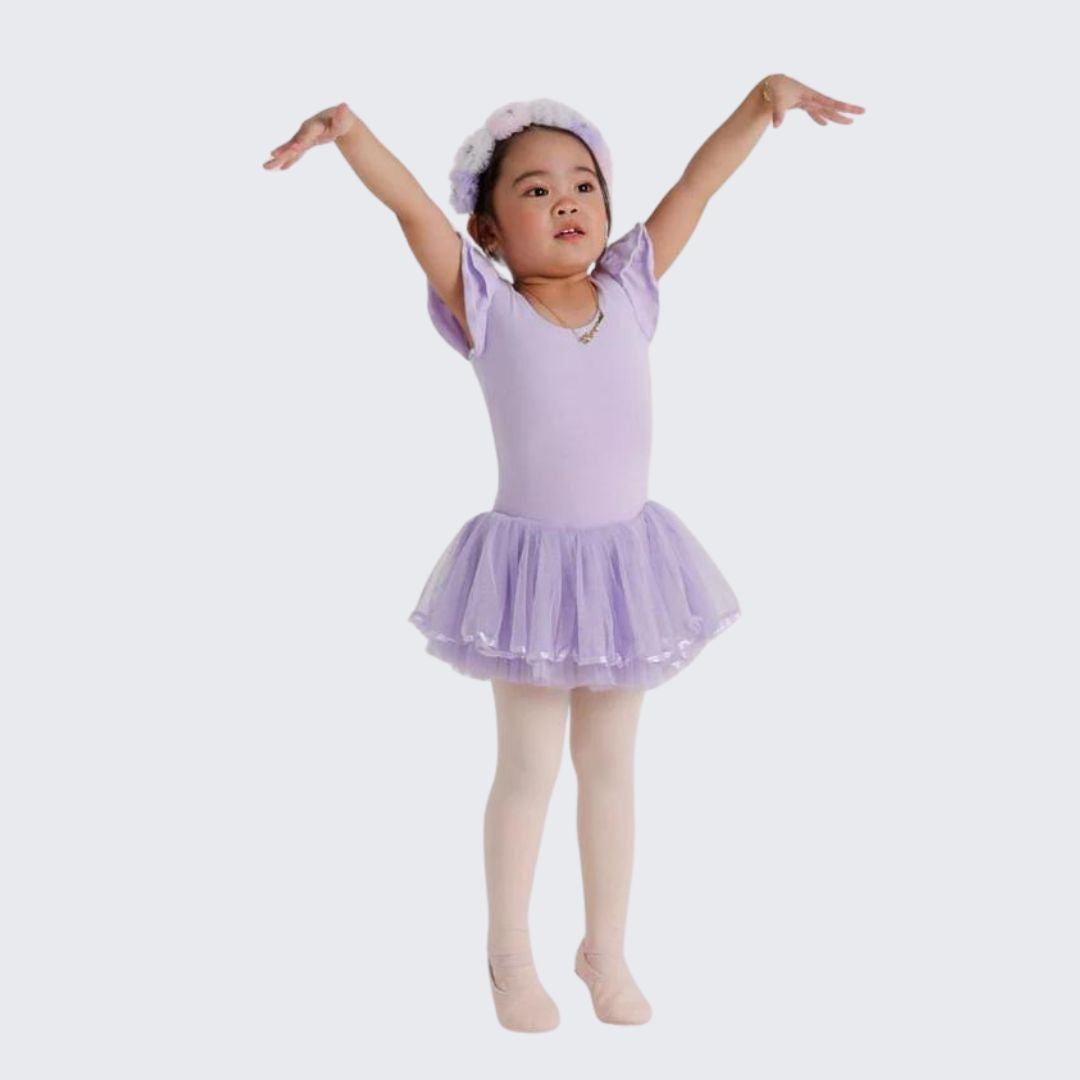
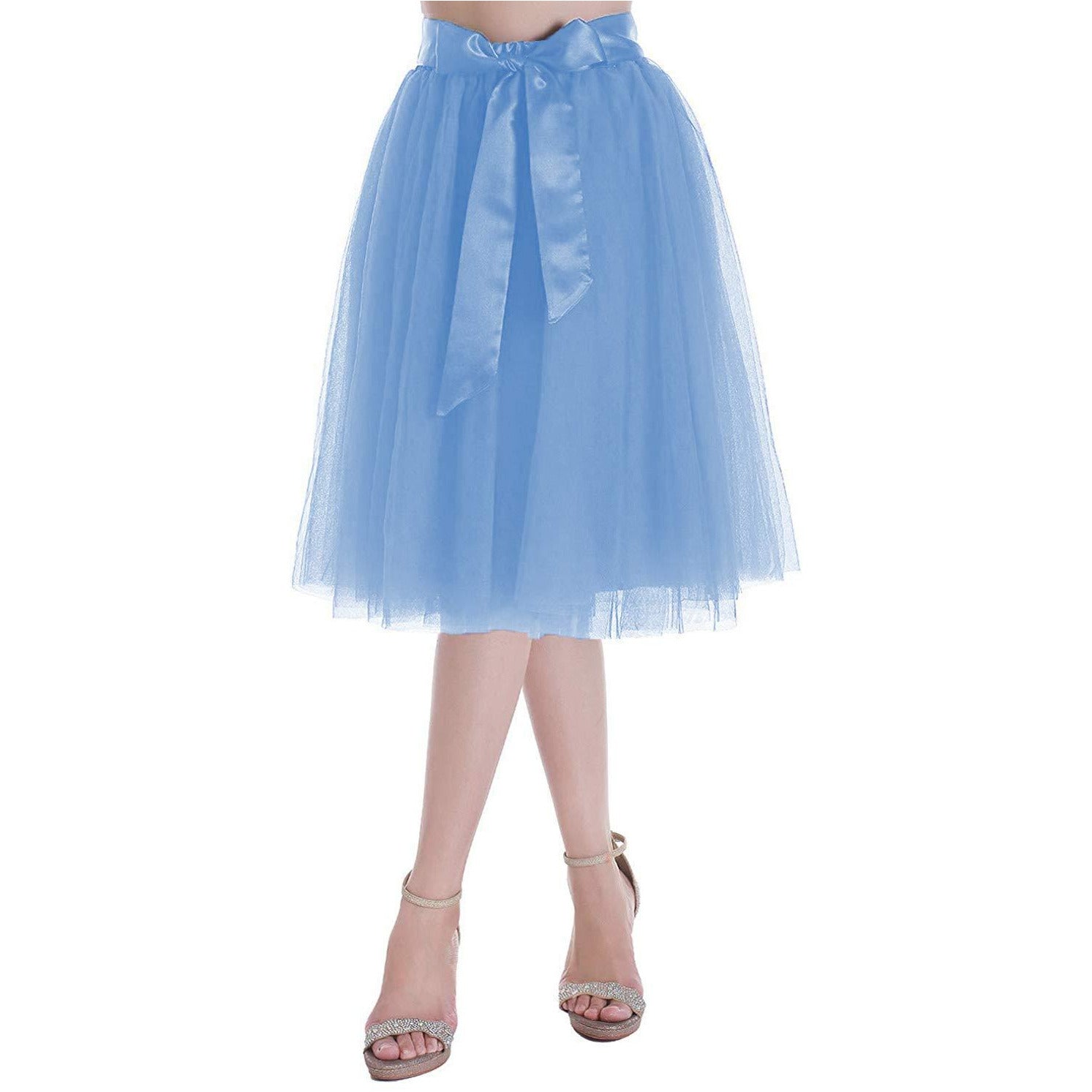
Flannel is warm and traditional, while bamboo and cotton jersey often feel lighter in heated homes. Velvet looks festive but may feel less flexible during floor play. Tulle adds volume and ceremony, yet it can catch on chairs or bother a child who dislikes scratchy layers. Look for soft seams, adjustable waists, breathable materials, and room for sitting, walking, and climbing stairs. Wash-care instructions matter too; a machine-washable garment is easier to maintain through cookies, cocoa, and travel.
Cost-per-Wear Comparison: Pajama Sets vs. Dresses
A pajama set may receive repeated use during the holiday season and later as sleepwear, depending on its condition and size. A formal dress may serve one portrait session, service, or dinner before your little one outgrows it. Research cited by the Petite Plume holiday pajama guide and Forbes’ family pajama coverage supports considering comfort, sizing, and repeat use when selecting coordinated sleepwear. Compare the complete expense, including accessories, shoes, shipping, and alterations, rather than only the garment price.
Family Photo Aesthetics: Synchronized Patterns vs. Coordinated Colors
Matching patterns give a playful holiday-card effect. Coordinated colors usually look more natural across several generations. Research findings show that more than 65 percent of family holiday card photos use coordinated color palettes rather than identical outfits. Try evergreen, cream, burgundy, navy, or soft gold in varied textures. Your little one can wear a dress, sweater, skirt, or comfortable pants while the group still looks connected.
| Feature | Matching pajamas | Individual holiday dresses |
|---|---|---|
| Best setting | Home, morning gatherings, relaxed portraits | Services, dinners, concerts, formal portraits |
| Visual effect | Unified prints and playful styling | Personal expression with coordinated colors |
| Comfort focus | Soft fabric, flexible fit, easy movement | Breathable layers, comfortable closures, suitable shoes |
| Repeat-use potential | Often useful for sleepwear and holiday mornings | Depends on size, event type, and styling |
The Coordinated, Not Cloned Framework: Blending Both Looks
The difference between matching family Christmas pajamas and individual holiday dresses does not require an all-or-nothing choice. Choose two or three anchor colors, such as forest green, cream, and burgundy, then let each family member select a suitable garment. A dress, knit sweater, pajama top, skirt, or relaxed pants can belong in the same portrait without making everyone identical.
Respecting Personal Style While Keeping Group Harmony
Start with the setting and the person wearing the outfit. Your little one may enjoy a festive dress for a service but prefer soft pajamas for a morning photograph. An older child may choose a solid sweater instead of a printed set. Grandparents may favor classic neutrals, while younger children enjoy a brighter accent. Repeated colors, similar textures, or one shared pattern can connect the group, especially when relatives travel from different homes.
For a simple holiday plan, use the Christmas collection as a seasonal starting point for color planning, then build outfits around what each person already owns. The Christmas collection can also help keep a consistent visual theme for cards, gift opening, and family gatherings.
Sizing Across Generations: Making It Work for Everyone
Exact matching becomes difficult when a group includes toddlers, school-age children, teens, adults, and grandparents. Sizes may sell out at different times, and relatives may need different cuts or lengths. Coordinate by color rather than requiring one supplier or complete set. Check measurements, preferred fit, sleeve length, and care needs before ordering. For your little one, leave room for sitting, reaching, and active play. A garment that fits one season may not fit the next, so avoid buying formal clothing solely for one photograph.
Sensory Sensitivities and Body Confidence Without Uniformity
Scratchy tulle, tight waistbands, heavy flannel, tags, and stiff collars can make a celebration difficult for some children. Offer soft jersey, smooth cotton, knit layers, or a familiar base garment. Let your little one test the outfit while sitting, walking, and raising both arms. Giving two acceptable options, such as a dress or a soft sweater with festive pants, supports independence while preserving the family color plan.
Frequently Asked Questions About Matching Pajamas vs. Holiday Dresses
Can I mix matching pajamas and dresses across the same holiday trip?
Yes. Pack matching pajamas for travel mornings, gift opening, and bedtime photographs. Bring an individual dress for a church service, family portrait session, or restaurant meal. Your little one can wear a festive sweater or comfortable knit outfit between events. Choose one shared color, such as burgundy, forest green, cream, or navy, so the group remains connected. This plan reduces outfit changes while providing suitable clothing for sleep, play, and formal occasions.
How do costs compare between buying matching pajama sets and separate holiday outfits?
For a family of four, compare the full wardrobe cost rather than one garment. Matching pajamas require four coordinated sizes, and exact patterns may be difficult to find for every relative. Separate outfits can cost more per person when they include dresses, shoes, tights, sweaters, or accessories. A formal dress may be worn only a few times before your little one outgrows it, while pajamas may receive more seasonal use. Check size availability, fabric care, shipping, and whether each item can be worn after the holiday.
Which option looks better in greeting cards and portraits?
Both can photograph beautifully, depending on the setting. Matching pajamas create a playful look for indoor morning photographs. Individual dresses appear more polished for formal portraits, services, and evening gatherings. Coordinated colors provide a natural middle option. Research findings show that more than 65 percent of family holiday card photos use coordinated color palettes rather than identical outfits. Choose a simple background, check for competing patterns, and photograph your little one in clothing that allows comfortable movement. Genuine expressions usually matter more than exact outfit matching.
Frequently Asked Questions
Are matching family Christmas pajamas a new trend?
Matching family Christmas pajamas are a modern holiday tradition that became widely popular through family photos, retail collections, and social media. Families now wear them for Christmas morning, gift opening, movie time, and relaxed portraits. Coordinated colors or festive separates offer a similar look for children who prefer individual style.
Why do families wear matching pajamas at Christmas?
Families wear matching Christmas pajamas to create a shared holiday look that feels playful and easy for home gatherings. Matching sets also work well for group photos, gift opening, and bedtime traditions. Choose soft, breathable fabric and flexible waistbands so children can move, sit, and play comfortably.
When did matching Christmas pajamas become popular?
Matching Christmas pajamas became especially popular in the 2010s as holiday family photography and social media sharing grew. The tradition draws on older seasonal sleepwear customs, yet coordinated sets made the group photo more recognizable. Pajamas remain best for home celebrations, while dresses suit services, parties, and formal meals.
Are matching pajamas a good gift for families?
Matching family pajamas can be a good gift when the recipients enjoy home traditions, family photos, and coordinated holiday clothing. Check each person's size, fabric preference, sleeve length, and local indoor temperature before buying. A festive sweater or pajama-style set can suit an older child who does not want an identical outfit.
Where do the Kardashians get their matching pajamas?
The Kardashians have appeared in coordinated holiday sleepwear from different brands, but there is no single confirmed source for every matching pajama photo. Families can create a similar look by choosing two or three colors and mixing prints, pajamas, sweaters, or comfortable separates. Fit and fabric matter more than copying a celebrity outfit.
Should children wear matching pajamas or holiday dresses for family pictures?
Children should wear matching pajamas for relaxed home photos and holiday dresses for polished portraits, services, or formal meals. Pajamas create a playful unified pattern, while dresses allow personal color, texture, and style choices. Coordinated colors can connect the group without requiring every child to wear the same garment.
