

best swing dance dress for petite women
If you are choosing the best swing dance dress for petite women, start with proportion rather than decoration. A dress that ends near the knee, defines the natural waist, and leaves your ankles visible can make triple steps, spins, and Charleston footwork easier to read. Standard fashion patterns are often drafted for a 5-foot-7 fit model, so a style labeled knee-length may fall several inches lower on a shorter dancer.
Key Takeaways
- Focus on proportion first: a dress that hits near the knee and defines your natural waist helps your footwork shine during spins and Charleston steps.
- Standard dress patterns are designed for taller models, so a knee-length style can easily fall too long on a petite dancer.
- Leaving your ankles visible makes your triple steps and kicks easier for you and your partner to see and follow.
- Prioritize fit over fancy details to get the comfort and mobility you need for energetic swing dancing.
- A dress with a clear waistline creates a flattering shape without overwhelming a smaller frame.
I am Andrea Schiffer, founder of Dancina, 2001 Swing Dance World Champion, and Amazon bestselling educational author. I look at dance clothing through movement first. The right shape should support footwork, partner connection, and easy spin recovery without adding bulk. These proportion ideas can also help mothers and grandmothers understand why a dress may look lovely on a hanger yet feel too long or heavy on a smaller frame.
Finding the Perfect Swing Dance Dress: A Petite Dancer's Guide
For most petite swing dancers, begin with an A-line or fit-and-flare dress that finishes at the knee or just above it. Look for a waist seam at your natural waist, shoulder seams aligned with your shoulders, and enough skirt width for turns without heavy layers. East Coast Swing and Lindy Hop need clear leg movement, while Balboa suits a shorter, tidy hem that does not catch around the calves. A full circle skirt can work when its fabric is light and its volume is controlled.
Check the bodice before judging the skirt. A vintage-inspired 1940s or 1950s cut may place the waist too low on a shorter torso, making the hips appear wider and restricting the close connection used in partnered dancing. Low armholes can shift during an overhead hold. Raise both arms, take a few triple steps, and turn slowly. The neckline, waist, and armholes should stay in place while you move.
Silhouette Secrets: Flattering Skirt Styles for Shorter Frames

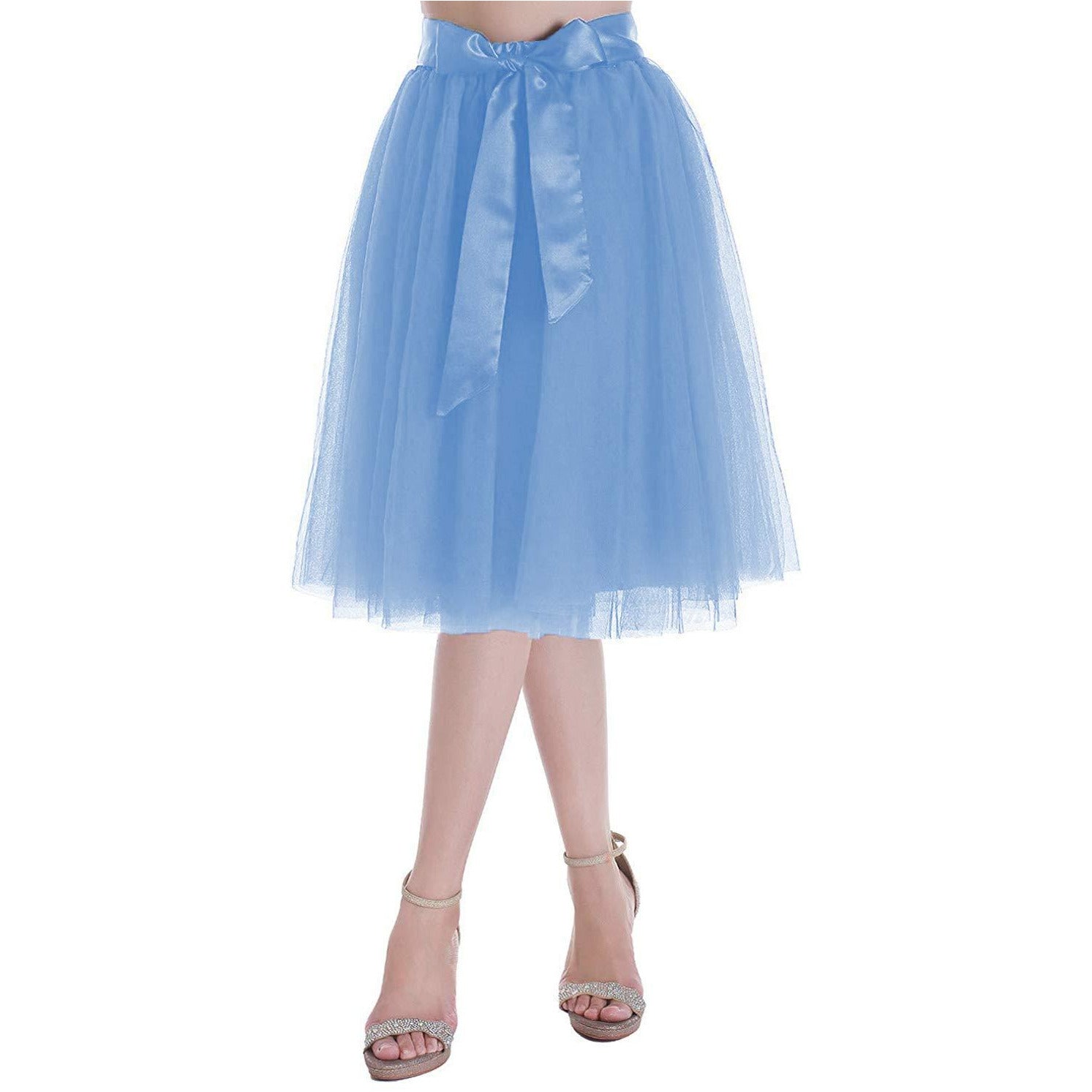
The skirt shape controls visual balance and the amount of fabric moving around your legs. A-line skirts gradually widen from the waist, keeping the body line neat while allowing walking, triple-step clearance, and modest turns. Fit-and-flare dresses stay closer through the bodice and upper hip, then open lower on the skirt. They often give petite dancers a defined waist without the extra sweep of a full circle style.
A full circle skirt creates a lovely twirl, but volume needs careful control. Heavy cotton, multiple petticoats, and a low hem can overwhelm a shorter frame and add drag during fast spins. Choose a lighter construction, a narrower waistband, and a hem around the knee or slightly above it. For social dancing above 120 beats per minute, a knee-skimming length can make foot placement easier to see and reduce the chance of stepping on the skirt.
| Silhouette | Petite proportion benefit | Movement check |
|---|---|---|
| A-line | Creates gentle width without hiding the waist | Confirm the hem clears the knees during steps |
| Fit-and-flare | Defines the torso before adding skirt movement | Check that the hip area does not pull during turns |
| Full circle | Offers the widest twirl and classic swing shape | Keep fabric light and volume moderate |
To prevent a circle skirt from drowning petite proportions, keep the waist visible and avoid a hem that reaches mid-calf. The best swing dance dress for petite women should show a clear transition from bodice to skirt, with enough air around the legs for footwork but not so much fabric that the dancer disappears inside it.
Fabric & Fit: The Keys to Twirl-Worthy Comfort
Fabric changes how a petite dress feels during East Coast Swing, Lindy Hop, Balboa, and Charleston footwork. Lightweight rayon crepe offers soft drape with less drag, while cotton lawn feels airy and moves easily around the legs. A light knit can follow the body during partner connection, though it should recover its shape instead of stretching at the waist. Choose material that breathes, releases heat, and allows the skirt to respond to a turn without pulling the bodice downward.
| Fabric | Movement and comfort | What to check |
|---|---|---|
| Lightweight rayon | Fluid drape and easy spin recovery | Check that the weave does not cling when warm |
| Cotton lawn | Breathable, light, and suitable for active dancing | Look for enough opacity and a smooth lining |
| Light knit | Flexible through the torso and shoulders | Test stretch at the armholes and waist |
| Heavy cotton | Structured but more likely to create drag | Avoid excess layers that add heat and weight |
Fit through the upper body deserves equal attention. On a shorter torso, a long bodice can place the waist seam below the natural waist and make the skirt begin too low. That may restrict hip movement during triple steps and make close embrace feel crowded. The shoulder seam should sit directly at the shoulder edge. Armholes should stay secure when both arms rise into an overhead hold, with no slipping, gaping, or exposed undergarments. A smooth lining can reduce rubbing, while a breathable outer layer helps manage sweat during a busy social dance.
Petite Fit Checklist
- Place the waist seam at the natural waist, not several inches below it.
- Check the bodice length from shoulder seam to waist seam.
- Raise both arms and confirm that the armholes remain secure.
- Make sure shoulder seams align without extending toward the upper arm.
- Walk, take triple steps, and turn to test hem clearance.
- Choose lining that feels smooth and does not add unnecessary bulk.
- Check the skirt weight before adding any petticoat or extra layer.
For a practical reference, the Women collection can help you think about fit as part of a complete outfit, not decoration alone. Women should be able to lift their arms, recover from a spin, and keep clear foot placement without adjusting clothing between steps. A dress that passes these checks will usually feel more comfortable, balanced, and ready for steady practice.
The pictures on our blog are created using artificial intelligence to bring our learning content to life. We hope they make reading about movement and fit more enjoyable.
Women can use the same checklist before a social dance: breathable fabric, a secure upper body, a natural waist, and a hem that stays clear of the feet. Those details matter more than extra volume or heavy decoration.
Petite Dancer's FAQ: Mastering Movement & Undergarments
A dress should support movement from the first triple step through the final spin. Test it by walking briskly, lifting both arms, turning, and recovering your balance. For petite dancers, a hem that looks modest while standing may shift close to the feet during a turn. A shorter knee-skimming hem often gives clearer footwork for Lindy Hop, East Coast Swing, Balboa, and Charleston.
Quick Movement Verdict
Choose coverage underneath, a secure hemline, and enough room for the legs to travel freely. The best swing dance dress for petite women should stay in place during turns rather than require repeated adjustments.
What should I wear under a full circle skirt?
Dance shorts or fitted bloomers are practical choices beneath a full circle skirt. Select a pair that stays close to the body without cutting into the waist or upper thigh. The waistband should sit smoothly beneath the dress, especially during a close embrace or partner turn. Match the coverage to the skirt’s fullness and the setting. A fuller style needs more secure coverage because fabric can lift during spins, kicks, and Charleston steps.
How can I check whether the hem is safe?
Before dancing, walk backward, take triple steps, and make several controlled turns. Watch for fabric collecting beneath the heels or brushing the ankles. Then raise your arms as though entering an overhead hold. The hem should remain clear while the bodice and armholes stay secure. Test the dress with the shoes you plan to wear, since heel height changes the effective length. A lightweight skirt that recovers quickly after a spin is usually easier to manage than a heavy, layered one.
How do I keep a circle skirt from overwhelming my frame?
Keep the waist visible, limit extra layers, and choose moderate hem circumference. A single light petticoat may add shape, but several stiff layers can create heat and drag. For fast social dancing, prioritize ankle visibility, free knee movement, and quick spin recovery. These details help the dress look balanced while keeping your attention on musical timing and foot placement.
Frequently Asked Questions
What is the best outfit to wear for swing dancing?
The best swing dance outfit is a knee-length A-line or fit-and-flare dress with a defined natural waist and comfortable shoes. Lightweight fabric allows easy spins and clear footwork. I recommend raising both arms, taking triple steps, and turning before choosing a dress, so the neckline, armholes, and hem stay secure.
What dress length is most flattering for a petite dancer?
A knee-length or slightly above-knee dress is usually most flattering for a petite dancer. This length keeps the ankles visible, helps show footwork, and reduces the chance of stepping on the skirt. A hem that falls near mid-calf can make a shorter frame look weighed down and may restrict quick turns.
What body shape suits a swing dress?
A swing dress can suit many body shapes when the waist and skirt proportions feel comfortable. A-line styles offer gentle room through the hips, while fit-and-flare dresses define the torso before opening into the skirt. Petite dancers should choose a natural waist seam and avoid excess fabric around the lower body.
How do I choose the right size swing dance dress?
The right swing dress size has shoulder seams at the shoulder edge, a waist seam at the natural waist, and enough room for arm and hip movement. Use the garment measurements instead of relying only on a size label. Raise both arms, walk, take triple steps, and turn to check the fit.
How long should a dress be for a 5'2" woman?
A knee-length or slightly above-knee dress often works well for a 5'2" woman who swing dances. Standard dresses may fall lower than expected, so measure from the natural waist to the hem before buying. The finished length should leave the ankles visible and allow clear steps without skirt drag.
Which fabric is best for a petite swing dance dress?
Lightweight rayon crepe, cotton lawn, and shape-recovering light knits are good fabric choices for a petite swing dance dress. These materials can move with triple steps and turns without adding much weight. Check that the fabric breathes, does not cling when warm, and stays opaque with a smooth lining.
