
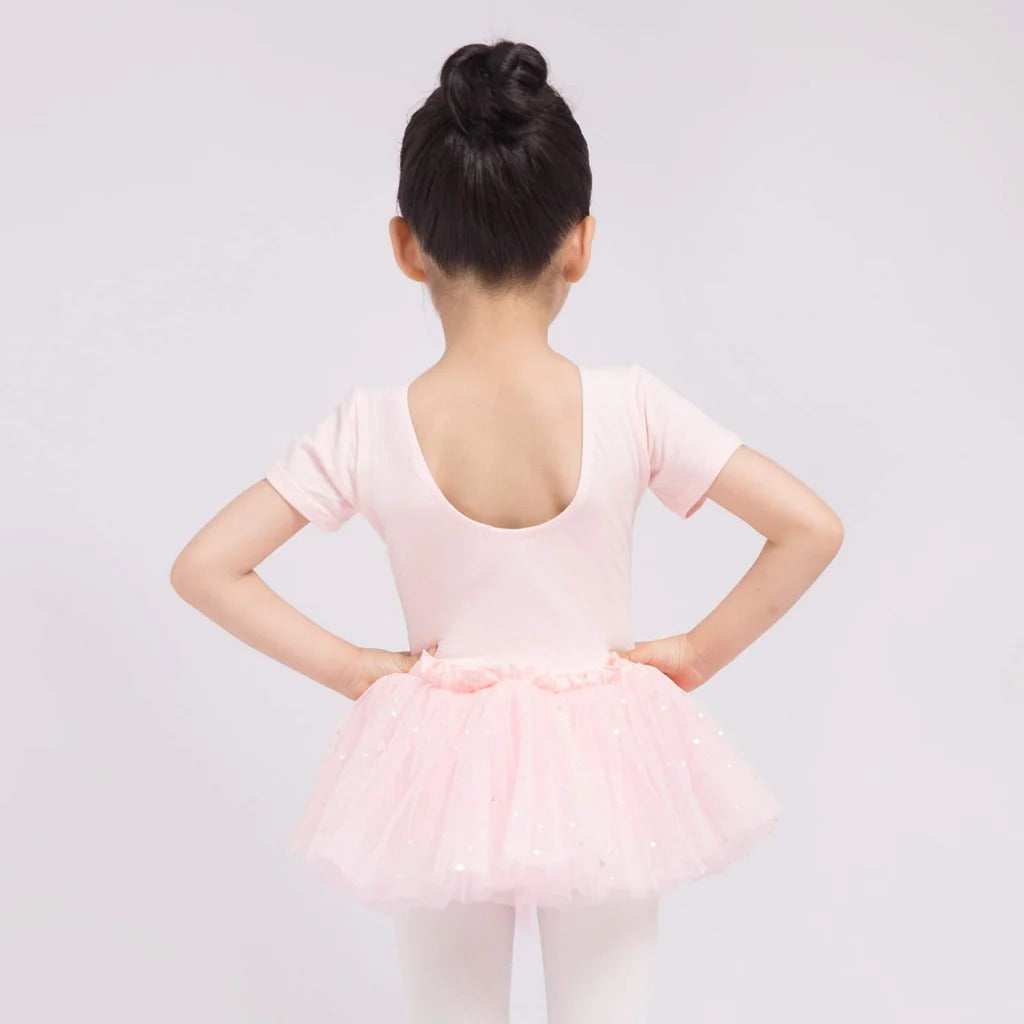
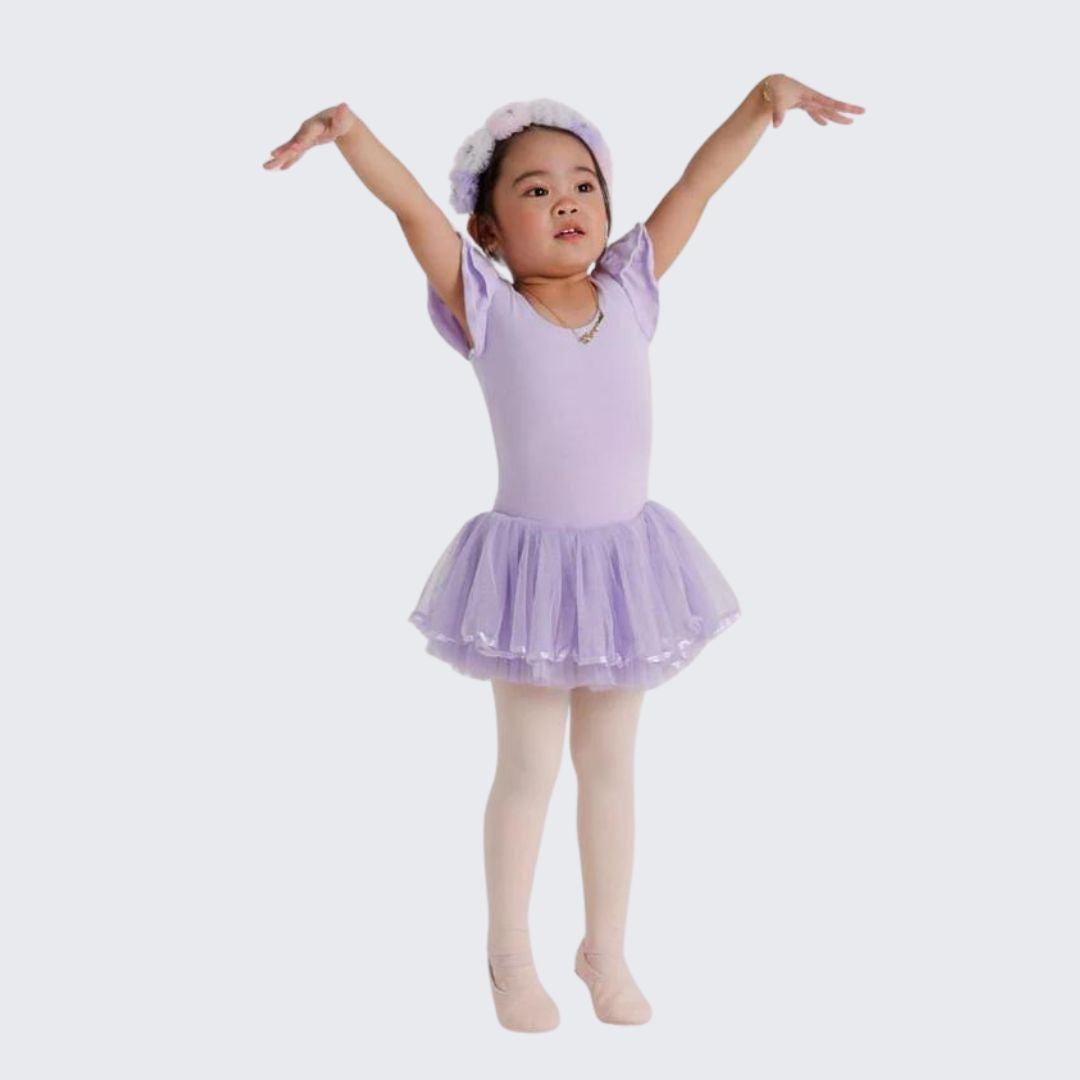
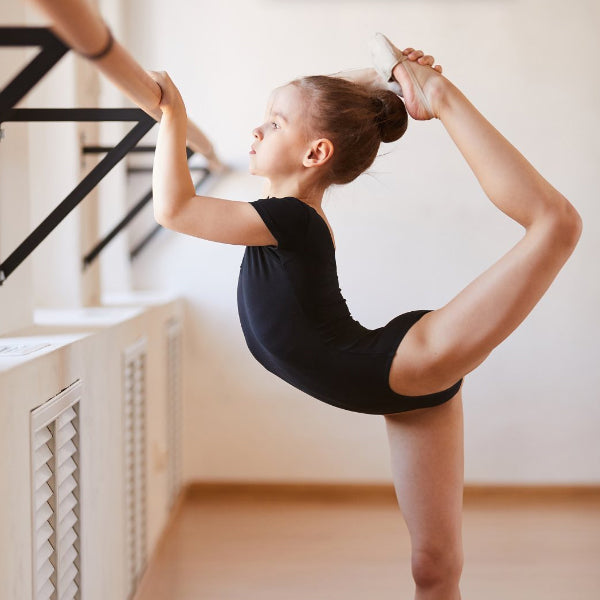
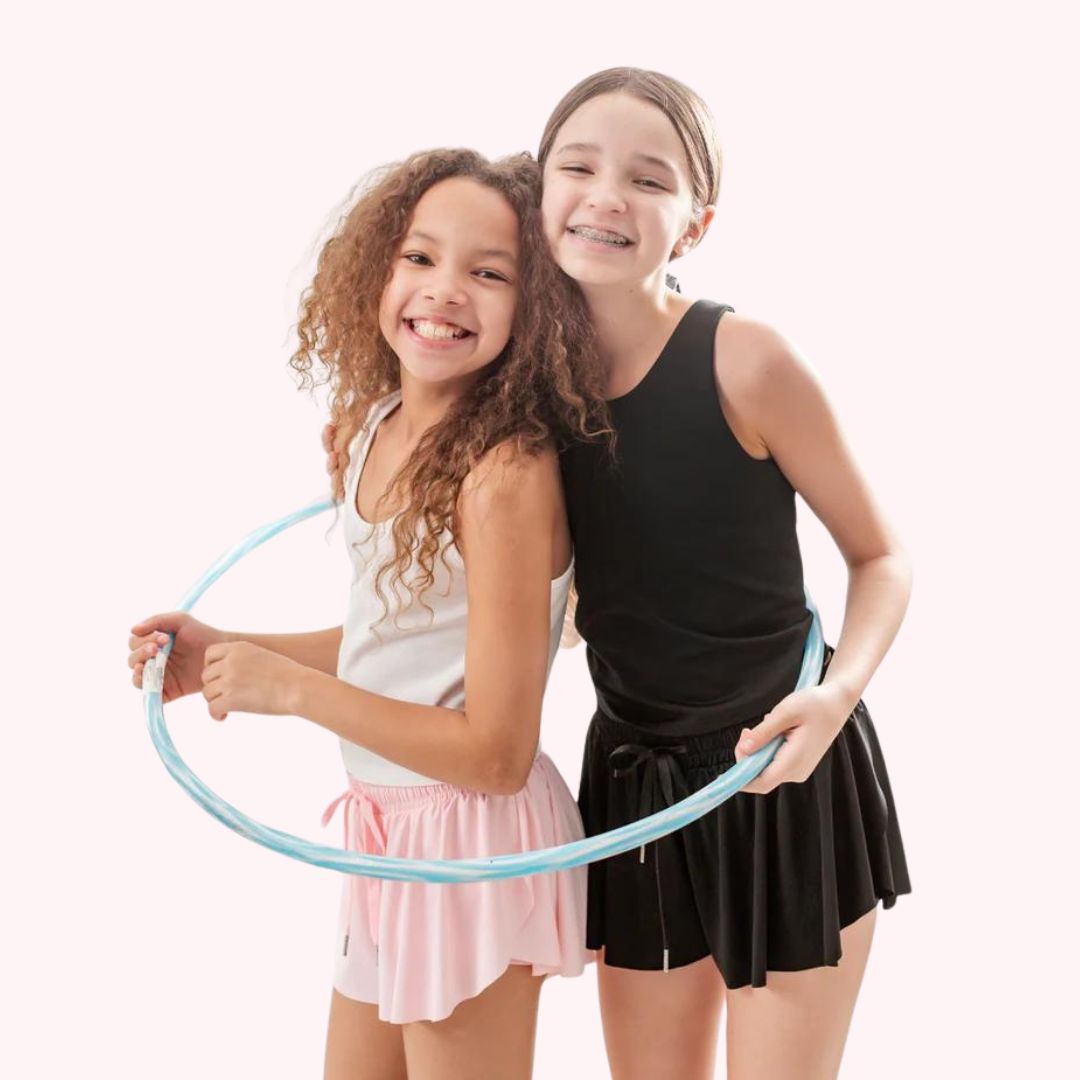

colorful leotards
Bright color can be lovely in a studio or gym, but appearance should follow fit, coverage, and movement. I’m Andrea Schiffer, founder of Dancina, and I recommend checking the fabric, lining, torso length, and dress code before choosing colorful leotards. These details help your little one move comfortably while she slowly builds balance, flexibility, and body awareness.
Key Takeaways
- When choosing colorful leotards for your child, prioritize how they fit and allow movement over just their appearance.
- Always check the fabric, lining, and torso length to ensure your little one can move comfortably.
- Understanding your dance studio's dress code is an important step before picking out new leotards.
- Well-fitting leotards support your child's comfort as she develops balance, flexibility, and body awareness.
For adult shoppers, the same basics apply. Gymnastics needs secure coverage during jumps, rolls, and inversions. Ballet often emphasizes clean lines, a comfortable leg opening, and a shape that works beneath a skirt or warm-up layer. A bright shade suits either setting when construction matches the activity.
Understanding Handwriting exercises for children: Beyond the Basics for Gymnastics and Ballet
Choose a leotard by movement first and color second. A gymnastics style generally needs a secure neckline, reliable leg coverage, and fabric that stays in place through active motion. A ballet style may have a different back, leg line, or neckline because classes emphasize posture and visual alignment. For either discipline, four-way stretch, a smooth seam finish, and sufficient fabric density matter more than color alone.
Many dancewear fabrics combine nylon with spandex. Nylon can offer a smooth, durable surface, while spandex helps the garment return to shape after movement. Matte fabric may look traditional in ballet, while shine, mesh panels, color blocking, and metallic details are often chosen for performance styling. These features should not replace opaque coverage or a secure fit.
Dress codes also guide the decision. Some adult ballet studios request black, muted shades, or a specific neckline. Recreational gymnastics programs may allow more color, while competition rules can set requirements for coverage and decoration. Ask the instructor or studio before purchasing. For your little one, a well-fitting garment lets her focus on foot placement, arm position, rhythm, and steady progress instead of adjusting clothing.
The Opacity & Support Checklist: Fabric, Lining, and Fit for Bright Leotards

Light shades and saturated dyes can behave differently under bright studio lights. Thin fabric may become sheer when stretched across the chest, hips, or seat. A double-front lining adds coverage through the torso, while a gusset supports comfort and reduces strain during leg movement. For adult dancers, a built-in shelf lining or integrated bra cups may provide more support than one fabric layer; personal comfort and class activity should guide the choice.
- Check fabric density: Hold the garment near a window or bright lamp, then stretch it gently. Look for thin spots around seams and high-stretch areas.
- Look for lining: A double-front panel is useful for coverage. Confirm that it reaches the bust and torso instead of stopping high on the chest.
- Assess support: Check for a shelf bra, cup pockets, or a stable inner layer. A decorative outer panel alone does not provide bust support.
- Measure girth: Compare the full torso measurement with the size chart. Do not rely on height or waist measurement alone.
- Test movement: Raise the arms, bend the knees, and reach overhead. The neckline should stay flat, and the leg openings should not cut into the skin.
| Feature | What to look for | Why it matters |
|---|---|---|
| Four-way stretch | Fabric stretches across and along the body | Supports mobility without excessive pulling |
| Double-front lining | Two layers across the front torso | Improves coverage in light or bright shades |
| Gusset | Soft, secure panel between the legs | Helps comfort during wide positions and floor work |
| Bust support | Shelf lining or integrated cup design | Reduces movement and improves security for adult dancers |
Read the care label and return policy before ordering. A garment that looks opaque while relaxed may change when worn. Check the fit with intended undergarments, since extra layers can alter the neckline and torso tension. Thoughtful construction keeps a colorful shade expressive while lining and fit protect comfort during class.
The pictures on our blog are created using artificial intelligence to bring our learning content to life. We hope they make reading more engaging.
Gymnastics Leotards vs. Ballet Leotards: Discipline-Specific Fit and Style
Gymnastics and ballet both require stretch, coverage, and a secure fit, but the garment serves a different purpose in each setting. Gymnastics involves tumbling, swings, rolls, jumps, and inversions, so the neckline and leg openings need to stay in place through fast changes of direction. Ballet focuses more on posture, alignment, turnout, and a clear line from the torso through the legs. A gymnast may prefer a higher back and snug leg cut, while a ballet student may favor a classic scoop back and smooth shape beneath a skirt.
Girth is the best starting point for sizing a one-piece garment. Measure from one shoulder, down through the legs, and back to the same shoulder while standing naturally. If the torso is too short, the leotard can ride up, pull at the shoulders, or create tension across the chest. If it is too long, excess fabric may gather at the waist or back. Check the size chart after measuring, then consider the activity, undergarments, and fabric stretch.
| Fit or style detail | Gymnastics | Ballet |
|---|---|---|
| Leg opening | Secure and moderate, with enough coverage for rolls and inversions | Clean and comfortable, often chosen to show leg alignment |
| Torso fit | Close-fitting, with enough length for jumps and floor work | Smooth through the waist and back for posture practice |
| Back and neckline | Stable during active movement and upper-body skills | Selected to suit studio rules and the desired visual line |
| Color and decoration | May include color blocking, shine, or performance details | May be more restrained, depending on the class or rehearsal |
Adult ballet classes do not always require black. Some studios welcome writing practice for children, while others request black, muted shades, or a specific uniform. Recreational gymnastics programs may allow personal style, while competitions can follow formal apparel rules. Ask the instructor before buying, especially if the class requires a particular back, sleeve, or color. The Marble Line Gymnastics Leotards for Girls with Matching Shorts - Aqua & Gold Set shows how color blocking can suit gymnastics while keeping the garment coordinated. The Marble Line Gymnastics Leotards for Girls with Matching Shorts - Aqua & Gold Set is best considered for an appropriate gymnastics program, not assumed suitable for every ballet dress code.
Caring for Your Children’s handwriting practice: Keeping Hues Bright and Beautiful
Bright dyes need gentle care, especially when a garment combines several color blocks. Washing correctly helps reduce bleeding, fading, stretched fibers, and lingering stains. Read the care label first, then treat the leotard as a delicate performance garment. This routine can help your little one’s clothing stay comfortable and ready for class as she slowly builds coordination and skill.
Simple Washing Steps
- Separate the colors: Wash a new garment alone or with similar dark shades until the water stays clear. Keep pale panels away from strong dyes.
- Turn it inside out: This protects printed details, metallic accents, and the outer surface from rubbing against other items.
- Use cool water: Choose a gentle cycle or hand washing with mild detergent. Hot water can encourage dye release and weaken elastic fibers over time.
- Skip harsh additives: Avoid bleach, fabric softener, and strong stain removers unless the care label permits them. These products can affect stretch, color, or fabric finish.
- Rinse thoroughly: Detergent left in the fabric may cause stiffness or irritation during movement.
- Dry naturally: Press out water with a clean towel, then lay the garment flat or hang it away from direct sunlight. Do not twist, wring, or place it in a hot dryer.
Check bright garments after each wash for loose seams, stretched leg openings, or fading color blocks. Early repairs are easier than fixing damage after repeated wear. Cool washing, gentle handling, and careful drying help a well-made leotard retain its shape and appearance through many lessons.
Frequently Asked Questions
What are the latest trends in leotards for girls?
Colorful leotard trends for girls include bright solid shades, color blocking, subtle mesh, shine, and metallic details. I recommend choosing these features only after checking coverage, lining, and fit. Four-way stretch, a secure neckline, and leg openings that stay in place matter more than a current look during dance or gymnastics.
What are some cute dance leotards for young dancers?
Cute dance leotards can feature cheerful colors, simple prints, scoop backs, or small design details that suit your child’s taste. I suggest pairing style with a double-front lining, soft gusset, and comfortable leg opening. A pretty leotard should let her raise her arms, bend her knees, and move without constant adjustments.
What leotard style is most flattering?
The most flattering leotard style is one that fits the torso smoothly and stays comfortable during movement. Measure girth from one shoulder, through the legs, and back to the same shoulder before checking the size chart. A suitable neckline, leg cut, and back design should support the activity and follow studio rules.
What is the most popular leotard brand?
No single leotard brand is best for every child, because fit, fabric, and studio requirements vary by dancer. I recommend comparing girth sizing, four-way stretch, lining, seam comfort, and return policies before choosing a brand. Ask the instructor about approved colors or styles if your child attends a class or team program.
What leotard color is best for dance or gymnastics?
The best leotard color is one that follows the dress code and gives your child a shade she enjoys wearing. Bright colors work well when the fabric remains opaque under studio lights and stays secure during movement. Check the lining and fabric density, since light or saturated shades may appear different when stretched.
