
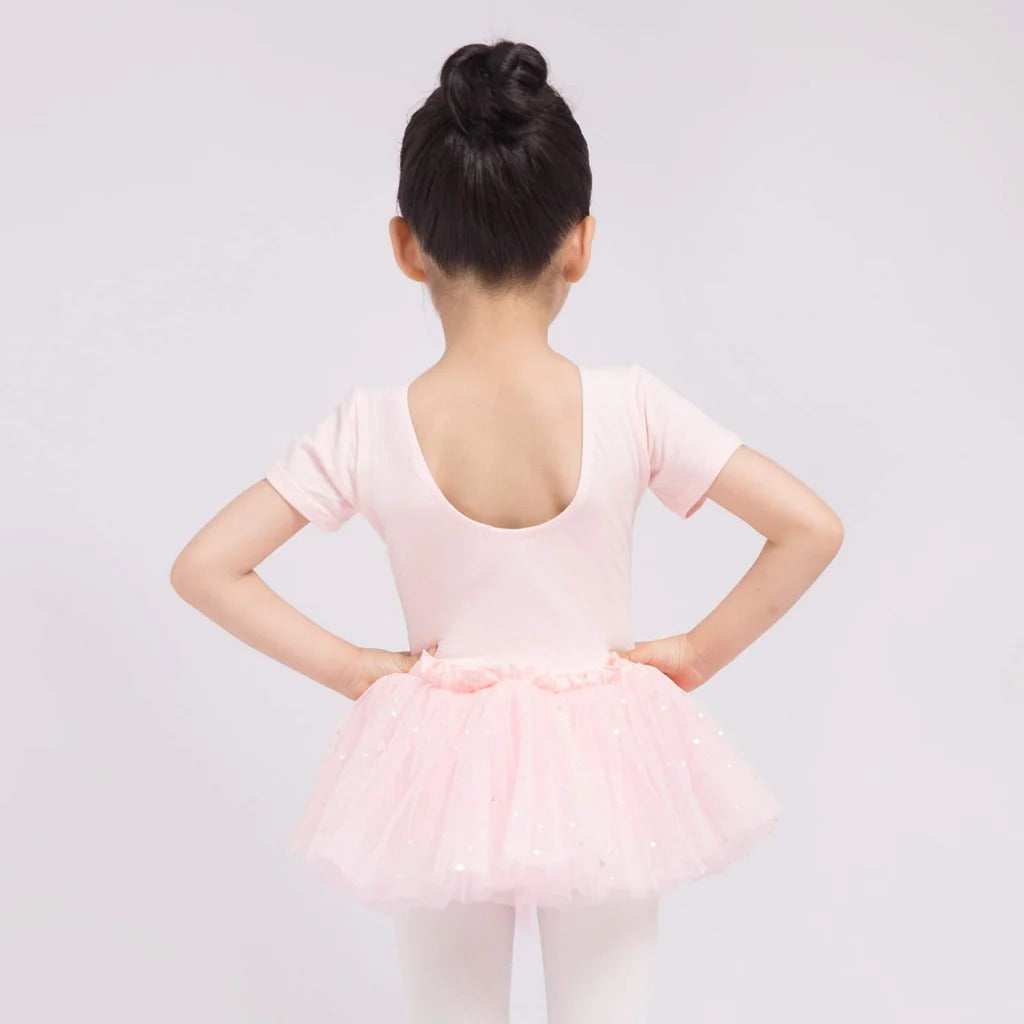
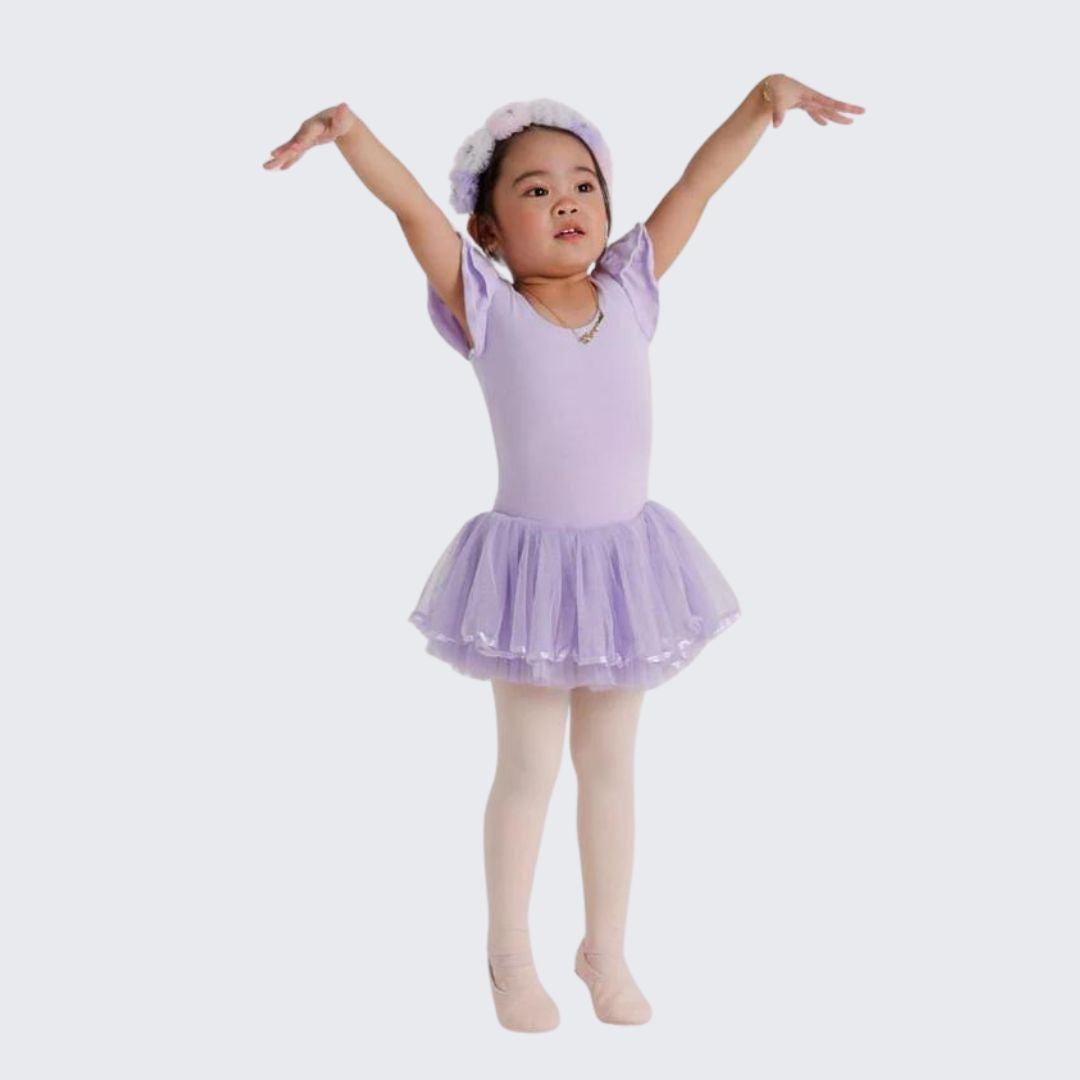

Christmas outfit for toddler who hates dressing up and prefers soft fabrics
A Christmas outfit for toddler who hates dressing up and prefers soft fabrics can still look polished in family photos. I begin with comfort, then add festive color, texture, or shine in small ways. Your little one should be able to sit, walk, play, and enjoy the gathering without scratchy trim or a stiff waistband taking over.
My faux-formal approach replaces rigid holiday clothing with soft layers that suggest a dressed-up look. A smooth knit top, rich color, neat cardigan, or simple hair accessory can feel festive without requiring a tiny jacket, crisp collar, or scratchy tulle skirt.
Choose breathable cotton, bamboo, modal, soft jersey, or a flexible knit. Check every tag, seam, cuff, waistband, and decoration before the holiday morning. Build the look around one polished detail, such as velvet-colored fabric, subtle metallic thread, a bow, or a festive print. This creates a Christmas outfit for toddler who hates dressing up and prefers soft fabrics that looks special while feeling closer to pajamas.
My Approach to Festive Toddler Outfits: Softness First, Sparkle Second
I do not see clothing resistance as a sign that your little one is being difficult. Stiff formalwear, scratchy decorations, tight sleeves, and rough seams can make a holiday outfit unpleasant from the first touch. Research published in the American Journal of Occupational Therapy reports that up to 16% of children experience sensory processing differences that may include tactile sensitivity to clothing textures and seams. A costly outfit worn once can end in tears rather than treasured photographs.
Faux-formal dressing offers a kinder middle ground. Start with a soft base that allows easy movement. Add a tidy silhouette through a cardigan, coordinated colors, a smooth knit layer, or comfortable pull-on pants. Festive details can come from deep red, evergreen, cream, gold, or a small holiday motif instead of stiff embroidery and scratchy trim. The result is a Christmas outfit for toddler who hates dressing up and prefers soft fabrics that looks ready for dinner, church, or family pictures without asking your little one to tolerate discomfort.
The Sensory-Friendly Fabric Guide for Happy Holiday Toddlers

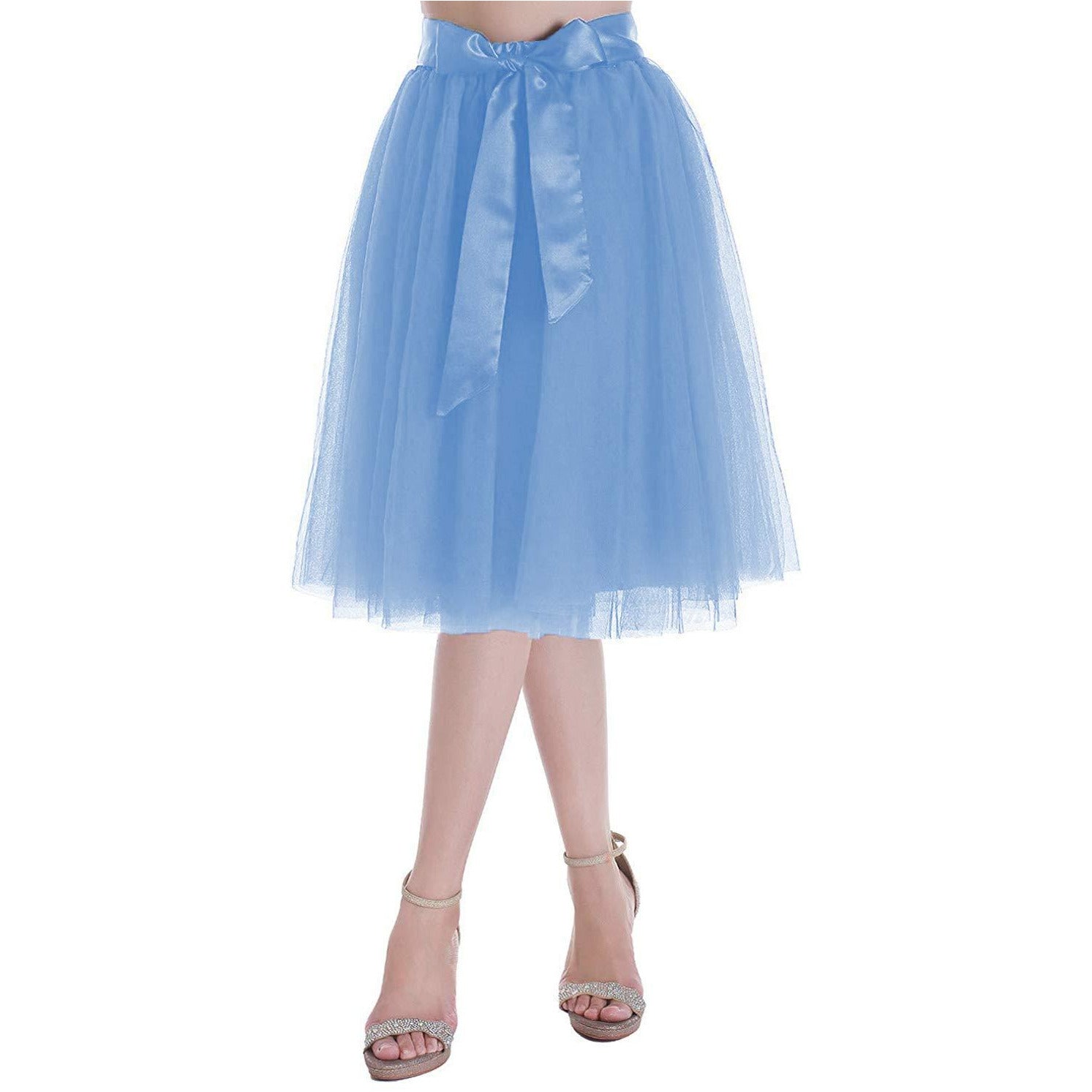
Look for fabrics with a smooth hand, gentle stretch, and enough breathability for an active holiday gathering. Cotton jersey feels familiar and flexible. Bamboo and modal blends can feel especially soft against the skin. A lightweight sweater knit can provide a polished finish while allowing movement. Brushed cotton offers warmth, while soft fleece works well for a casual festive layer. Avoid relying on appearance alone: metallic thread, sequins, lace, stiff denim, scratchy tulle, and raised embroidery may look cheerful but feel distracting to a sensitive child.
Fit matters as much as fiber. Choose a waistband that rests comfortably without digging in, sleeves that allow reaching, and openings that do not pull across the head. For car travel, bulky coats should not sit beneath a harness. Use thin, warm layers under the secured straps, then place a blanket over the harness if needed. Your little one can look neat and stay comfortable during the trip.
Sensory Audit Checklist
- Remove or cover tags that rub the neck or waist.
- Run your fingers along inside seams, cuffs, and hems.
- Check whether buttons, snaps, bows, or decorations touch the skin.
- Test the waistband while your little one sits, bends, and walks.
- Look for flexible fabric instead of rigid collars or tight layers.
- Wash the outfit before wearing it so the fabric feels familiar.
Make these checks several days before the celebration. A short trial during ordinary play gives your little one time to notice the texture gradually and gives you time to change the plan.
For a Christmas outfit for toddler who hates dressing up and prefers soft fabrics, a simple base is often the best investment. Choose pieces your little one can wear again after the holiday, then add a small seasonal touch for photographs. This protects comfort, reduces waste, and keeps the celebration focused on connection rather than clothing.
The pictures on our blog are created using artificial intelligence to bring our learning content to life. We hope they make reading and learning more engaging for your family.
Crafting ‘Faux-Formal’ Holiday Outfit Recipes for Comfort and Style
Faux-formal dressing works best when the softest piece sits closest to your little one’s skin. Build a tidy shape with color, layering, and one festive detail. A flexible knit top with pull-on pants can look ready for Christmas dinner when the colors coordinate and the hems fit neatly. This also suits family photographs, church gatherings, and visits with grandparents because your little one can sit, bend, and move without a stiff jacket or tight waistband.
Use familiar pieces instead of clothing reserved for one day. Choose a base your little one already accepts, then add a cardigan, polished color, soft bow, or simple holiday pattern. Deep red, evergreen, cream, navy, and warm gold create a festive appearance without sequins, scratchy tulle, metallic embroidery, or raised decorations. A neat silhouette does not require formal tailoring.
Three Soft Faux-Formal Outfit Recipes
- For a dress-loving look: Pair a smooth cotton or modal knit dress with soft leggings and a lightweight cardigan. Select a simple A-line shape with room through the waist. Add a fabric hair bow or a small velvet-colored detail rather than a scratchy sash. The outfit photographs beautifully while keeping the legs covered and the layers flexible.
- For a polished boy’s look: Start with a soft jersey polo or long-sleeve knit shirt. Add pull-on chinos or brushed cotton pants with an elastic waist. A fine-gauge cardigan can suggest a tiny sweater jacket without rigid shoulders, hard buttons, or a stiff collar. Deep green, burgundy, navy, and cream create a traditional holiday palette.
- For a neutral family look: Combine a cream thermal top, flexible dark joggers, and a tidy cardigan or overshirt. Add a subtle plaid, small tree print, or red-and-green socks if your little one accepts them. Keep decorations away from the neck, wrists, and waist. The outfit feels play-ready but still looks coordinated in group pictures.
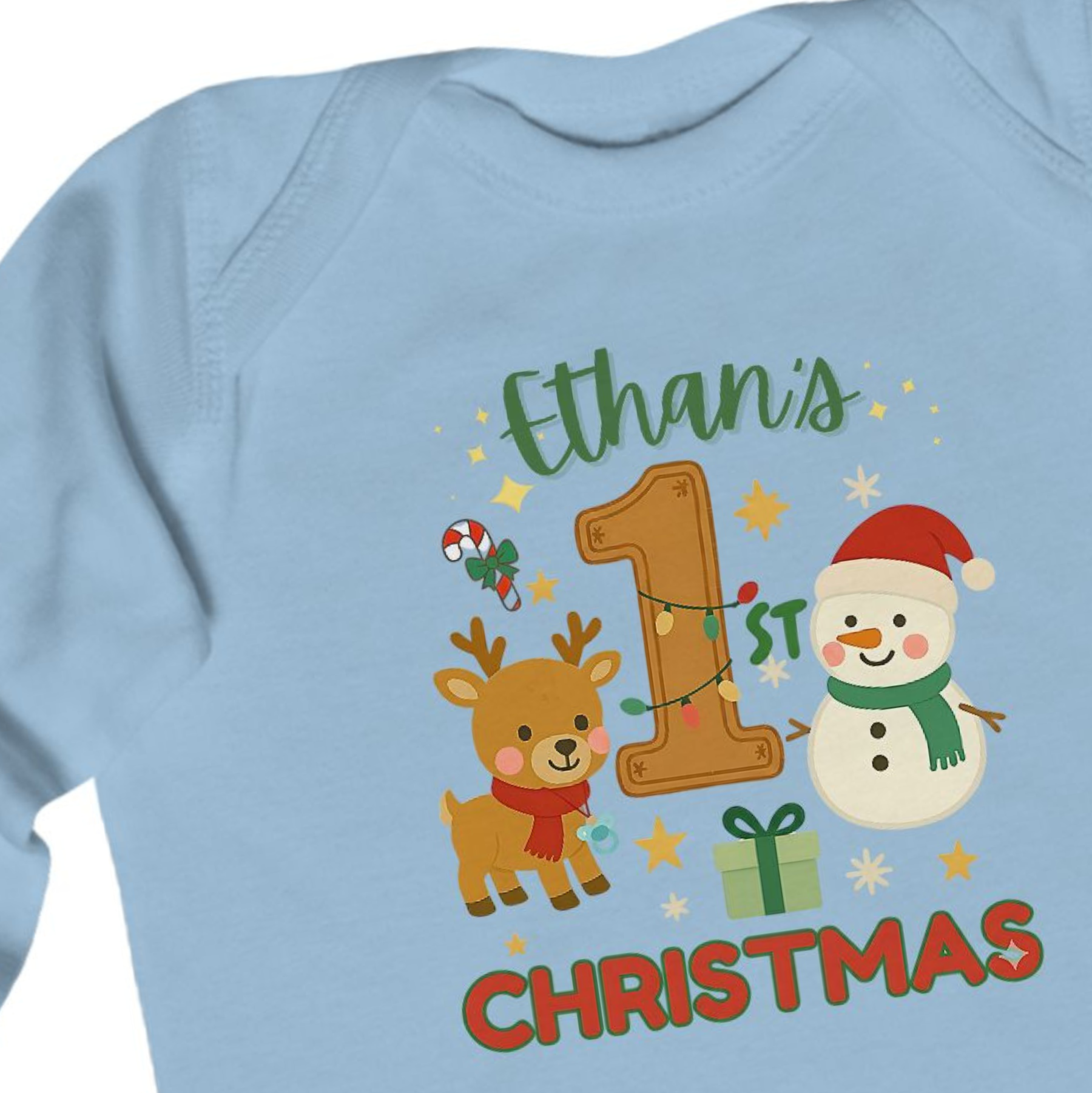
Holiday graphic tees and festive jogger sets can suit Christmas dinner when the gathering is casual. Choose a smooth print, soft neckline, and coordinated layer so the outfit feels intentional. For a more formal setting, keep the top comfortable and add polish through color matching, clean lines, and a cardigan. Have your little one sit in the full outfit for a few minutes before leaving. Check the waistband, cuffs, neckline, and decorations during movement. If one detail causes discomfort, remove that detail instead of replacing the entire outfit.
Navigating Dressing Challenges: Tips for Meltdown-Free Holiday Mornings
A Handwriting exercises for children is easier to manage when the morning begins with familiarity, not a brand-new clothing demand. Lay out the outfit the night before and let your little one touch each piece. Keep the first layer comfortable and familiar, then offer one simple choice, such as a red top or a green top. Too many options can make getting dressed harder.
Build extra time into the routine. A rushed morning can make a small seam, waistband, or sleeve feel much worse. Let your little one get dressed in stages, with a short pause between the base layer and festive layer. A favorite book, song, or quiet activity can aid the transition. If an item is rejected, check for a scratchy tag, tight cuff, rough zipper, or decoration touching the skin.
Family expectations can make these moments awkward, especially when relatives expect formal clothing. I would rather see your little one participate comfortably than spend the gathering tugging at a collar or refusing to sit for photographs. A coordinated knit set, festive graphic tee, or soft jogger outfit can suit a casual Christmas dinner. The Christmas collection can inspire a festive color plan for family photographs. Use matching shades, simple layers, and one seasonal detail to create a polished appearance.
For car travel, dress your little one in thin, warm layers beneath the harness. Do not place a bulky coat between the body and the straps. Add a blanket over the secured harness after buckling. Keep the Christmas plan flexible. If the original outfit fails, the backup is a useful part of preparing for a happy holiday gathering.
Frequently Asked Questions
What can I do if my toddler does not like wearing clothes?
A toddler who dislikes clothing may do better with soft cotton jersey, bamboo, modal, or flexible knit pieces. Check tags, seams, cuffs, waistbands, and decorations for rough spots, then offer two comfortable choices. A familiar base outfit with one festive color or small holiday detail can feel special without causing distress.
What is the 3-3-3 rule for clothes?
The 3-3-3 clothing rule usually means choosing three tops, three bottoms, and three pairs of shoes to create several outfits. This rule is not a sensory-care standard, so a Writing practice for children should follow comfort first. Select familiar pieces that mix easily and can be worn after the holiday.
How should I dress a child with sensory issues for Christmas?
A child with sensory issues should wear breathable, soft clothing with gentle stretch and minimal decorations. Try a smooth knit top, pull-on pants, leggings, or a lightweight cardigan, then add festive color, a soft bow, or a simple holiday print. Wash each piece first and let your child wear it briefly during regular play.
What should I do when my toddler refuses to get dressed?
A toddler who refuses to get dressed may accept clothing more readily when offered two soft, familiar choices. Check for scratchy seams, tight waistbands, rough tags, overheating, or difficult openings before insisting on a particular outfit. For Christmas, keep a comfortable backup set ready with coordinated colors and one gentle festive detail.
What is a red flag behavior for a 2-year-old who hates clothing?
A strong reaction to clothing may deserve professional advice when it regularly prevents sleep, play, outings, or basic care, especially alongside major communication, movement, or social concerns. A Children’s handwriting practice can remain simple while you discuss persistent sensory distress with a pediatrician or qualified occupational therapist.
What fabrics are best for a toddler who hates dressing up?
Cotton jersey, bamboo, modal, soft fleece, brushed cotton, and flexible sweater knits are often good choices for a toddler who hates dressing up. Look for smooth surfaces, gentle stretch, and breathable layers that allow walking, sitting, and play. Avoid scratchy tulle, sequins, stiff denim, raised embroidery, and rough metallic thread.
How can I make a soft toddler outfit look festive for Christmas?
A soft toddler outfit can look festive through rich color, coordinated layers, and one comfortable seasonal detail. Try deep red, evergreen, cream, navy, or warm gold with a neat cardigan, soft bow, velvet-colored fabric, or holiday print. A clean silhouette can look polished in family photos without a stiff jacket or tight waistband.
