
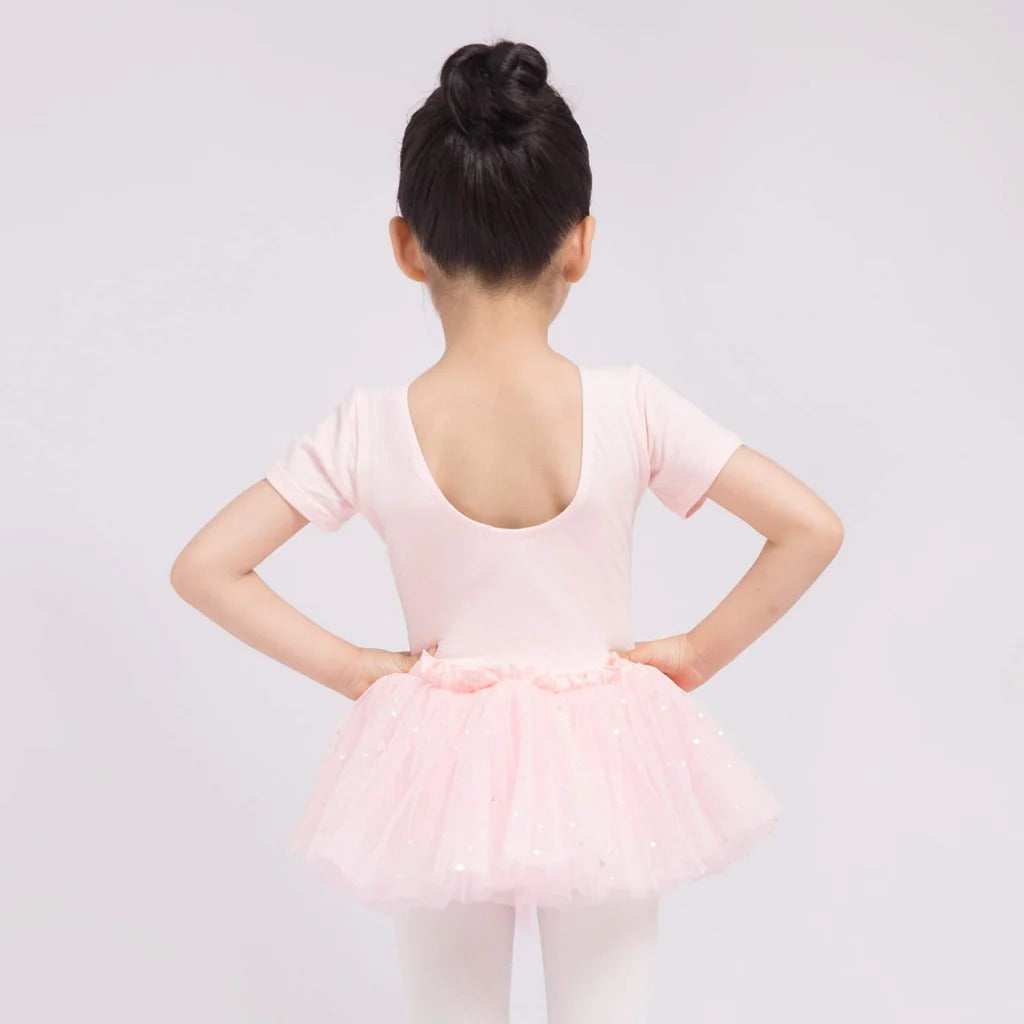
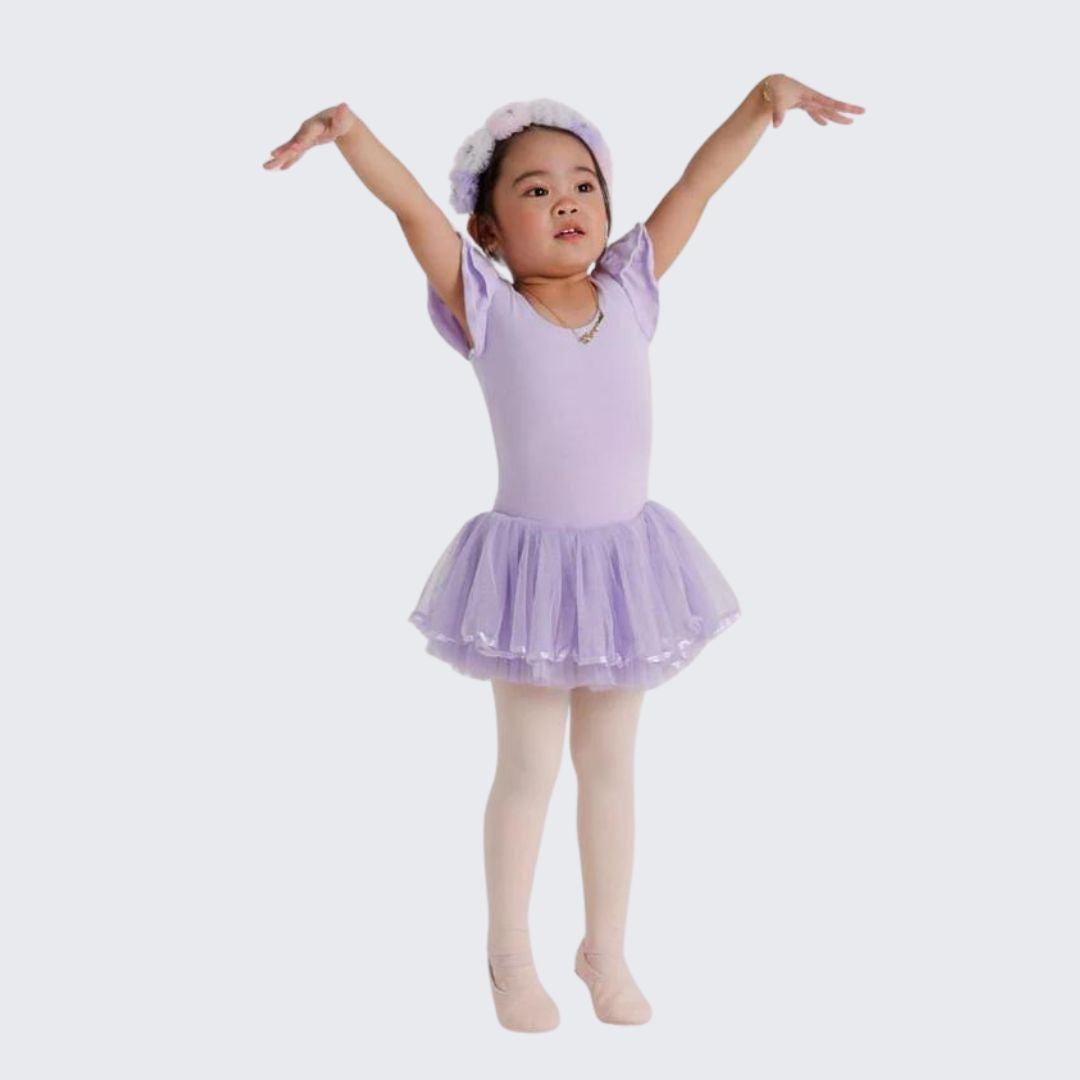
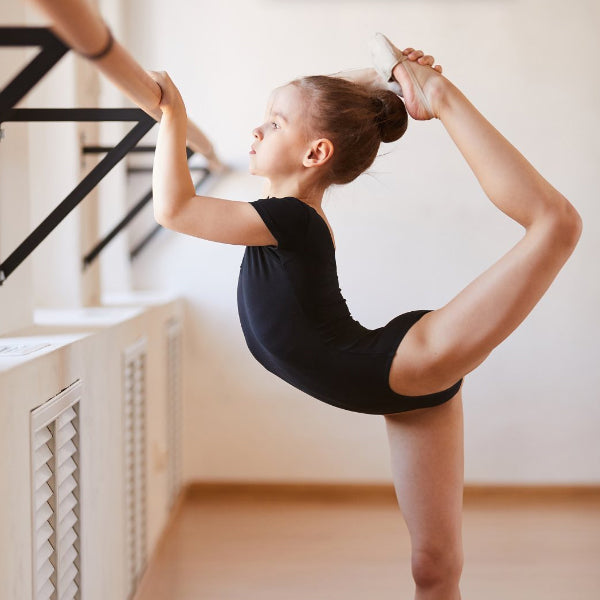

pretty gymnastics leotards
Pretty gymnastics leotards should look lovely, but appearance is only one part of a good choice. I am Andrea Schiffer, founder of Dancina, and I have seen how the right fit and fabric help your little one move, stretch, and focus during practice. A leotard should stay in place through jumps, bridges, handstands, and floor routines without scratchy seams or distracting adjustments.
Key Takeaways
- A leotard that fits well will stay snug through cartwheels and splits without needing constant tugging.
- Look for soft, stretchy lycra fabric that moves with your child and holds its shape over time.
- Flat seams and a smooth lining prevent irritation so your little one can focus on practice, not on scratching.
- The right leotard lets your gymnast stretch and tumble freely while still looking pretty and polished.
The best choice balances color and design with four-way stretch, soft construction, elastic recovery, and dependable coverage. In this guide, I will help you assess the details that matter most, beginning with the difference between attractive styling and useful performance.
Choosing Pretty Gymnastics Leotards: Beyond Just Looks
Choose a leotard that feels smooth against the skin, follows the body without pulling, and returns to its original shape after stretching. Shoulder straps should remain flat, leg openings should sit gently without digging in, and the torso should provide enough length for movement. Writing practice for children can include foil details, color blocks, mesh panels, or crystals, yet decoration should never replace comfort or secure coverage.
For your little one, a lovely design can make getting ready more enjoyable. The practical test comes during movement. Watch for shoulder straps that slip, fabric that gathers at the hips, seams that rub, or openings that leave marks. A garment that feels too tight may restrict a deep stretch. One that is too loose may shift during tumbling. Choose the size using the maker’s measurement chart rather than age alone, and check the class dress code before ordering.
The Fabric Difference: Lycra, Matte, and Mystique for Your Little Gymnast

Lycra gymnastics leotards are popular for practice because Lycra, also called elastane or spandex, gives fabric stretch and recovery. Research on gymnastics garments identifies four-way stretch and about 15% to 20% Lycra or elastane as useful targets for mobility without sagging. The fiber content is only part of the decision. The knit, lining, seam finish, and surface treatment also affect softness, breathability, shine, and durability.
Matte Lycra usually has a soft, understated surface with less reflection under gym lighting. It can feel smooth and flexible for everyday classes. Mystique, often called shiny foil, has a reflective finish that creates a brighter stage appearance. It may feel slightly firmer, so check that the fabric still stretches comfortably across the torso and shoulders. For sensitive skin, run your fingers along the inside seams and inspect the leg openings before purchase.
| Fabric or finish | Useful qualities | What to check |
|---|---|---|
| Matte Lycra | Soft hand feel, four-way stretch, low-shine appearance | Look for smooth seams and reliable recovery after stretching |
| Shiny mystique or foil | Reflective finish and eye-catching color under lights | Check flexibility, surface consistency, and care instructions |
| Lined stretch fabric | Added coverage and a smoother layer against the body | Make sure the lining does not bunch or restrict movement |
Perfect Fit First: Measuring Torso Girth to Stop Leotards Riding Up
Torso girth is often the most useful measurement for choosing children’s handwriting practice that stay in place. Height and weight can help, but they do not show how much length your little one needs from shoulder to seat. A short torso can make a garment pull upward, while extra length may cause loose fabric across the chest or back. A well-fitted torso allows stretching, arching, handstands, and tumbling without constant adjustments.
To measure accurately, use a soft tape measure and have your little one stand naturally, with feet together and shoulders relaxed. Do not measure over a bulky shirt. Begin at the top of one shoulder, where a leotard strap would rest. Bring the tape down the front of the body, through the legs, and up the back to the starting point. Keep the tape close to the body without pulling it tight. Record the full measurement in inches, then compare it with the specific sizing chart. If another adult is available, ask that person to hold the tape while your little one stands still.
Torso Girth Measuring Checklist
- Use a flexible tape measure, not a ruler or string that has not been measured afterward.
- Measure over a thin undergarment or directly over the skin for the clearest result.
- Start at the shoulder point where the strap will sit.
- Follow the body through the legs and up the back to the same shoulder point.
- Keep the tape level, smooth, and gently touching the body.
- Take the measurement twice. If the numbers differ, measure a third time and use the consistent result.
- Check shoulder width, chest, waist, and leg openings after torso length has been reviewed.
After the garment arrives, ask your little one to lift the arms, bend forward, squat, and reach overhead. The shoulder straps should remain flat, the seat should stay comfortably covered, and the leg openings should not dig into the skin. Watch for fabric pulling upward at the hips, tightness across the shoulders, or extra material at the lower back. These signs can point to the wrong torso length, even when the waist measurement appears suitable. If your little one falls between sizes, follow the maker’s fit guidance and prioritize torso length for a secure, comfortable fit.
Caring for Your Pretty Leotards: Keeping Them Looking Lovely
Good care helps preserve stretch, color, foil shine, printed details, and crystal decorations. After practice, rinse away sweat as soon as practical. Turn the garment inside out before washing, and check the care label for any special instructions. Hand washing in cold water is the gentlest choice for Lycra, mystique, rhinestones, and foil finishes. It also reduces the rubbing that can loosen decorations or roughen the surface.
Use a small amount of mild detergent. Avoid bleach, fabric softener, stain removers with harsh chemicals, and strong fragrances. Let the garment soak briefly, then press the water through the fabric with your hands. Do not twist, scrub embellishments, or pull at loose threads. For a leotard with rhinestones, place it inside a mesh wash bag if the care label permits machine washing. Select cold water and a delicate cycle, then remove it promptly.
| Care step | Recommended method | What to avoid |
|---|---|---|
| Washing | Cold water and mild detergent, preferably by hand | Hot water, bleach, and rough scrubbing |
| Embellishments | Turn the garment inside out and handle decorated areas gently | Pulling crystals, brushing foil, or placing decorations against rough items |
| Drying | Press between clean towels and lay flat to air-dry | Clothes dryers, radiators, direct sunlight, and wringing |
| Storage | Fold fully dry garments in a cool, dry drawer | Leaving damp fabric in a gym bag |
To dry the leotard, press out excess water with a clean towel. Lay it flat in its natural shape, away from direct sunlight and heat. A hanger can stretch wet shoulder straps, especially on smaller garments. Before storing, check that the fabric is completely dry. Keep decorative pieces from rubbing against rough towels, zippers, or hook-and-loop fasteners. These simple habits help your little one’s leotard stay soft, flexible, and lovely through steady practice.
Frequently Asked Questions
What makes a gymnastics leotard both pretty and practical?
Handwriting exercises for children should combine attractive colors or details with a secure, comfortable fit. Look for four-way stretch, soft seams, reliable coverage, and fabric that returns to shape after movement. Decorations such as foil, mesh, or crystals should support the design without scratching skin or limiting jumps, bridges, handstands, or floor routines.
How can I tell if a gymnastics leotard fits correctly?
A well-fitting gymnastics leotard stays in place without pulling, bunching, slipping, or leaving deep marks. Shoulder straps should lie flat, the seat should remain covered, and the leg openings should feel gentle against the skin. Ask your little one to lift, bend, squat, and reach overhead before keeping the garment.
Should I choose matte Lycra or shiny mystique for gymnastics?
Matte Lycra is often a soft, flexible choice for everyday gymnastics practice, while shiny mystique offers more reflection under performance lights. Matte fabric usually gives a low-shine appearance, and mystique may feel firmer. Check stretch, seam softness, and care instructions before choosing either fabric for your little one.
How do I choose the right leotard size for my child?
The best gymnastics leotard size comes from the maker’s measurement chart, with torso girth given special attention. Measure from one shoulder, through the legs, and up the back to the same shoulder. Height and weight can help, yet torso length often gives a better guide for movement and coverage.
Are crystals and foil details suitable for children’s gymnastics leotards?
Crystals and foil details can make children’s gymnastics leotards look special when they are securely attached and placed comfortably. Check the inside of the garment for rough spots, scratchy edges, or decorations that could rub during movement. Follow the care label closely, since heat and rough washing may affect shiny finishes and crystals.
How should I wash writing practice for children?
Children’s handwriting practice should be rinsed after practice and washed according to the care label, with cold hand washing often being the gentlest choice. Turn the garment inside out to help protect color, foil, prints, and crystals. Avoid rough handling and let the leotard dry as directed so the stretch fabric keeps its shape.
What should I check before buying a gymnastics leotard online?
Before buying a gymnastics leotard online, check the size chart, torso measurement guidance, fabric content, care instructions, and class dress code. Read the listed construction details for lining, seams, straps, and coverage. I also recommend reviewing return information in case the leotard pulls at the shoulders, rides up, or feels loose after movement.
