

cotton leotards vs nylon leotards for big girls
Choosing between cotton leotards vs nylon leotards for big girls starts with your little one’s body, not a label. A taller torso, fuller chest, broader hips, or sensitive skin can change how a fabric feels during class. The right choice should allow movement, coverage, and room for breathing without pinching or riding up.
Key Takeaways
- The best leotard choice depends on your child's specific body shape, not just the fabric type.
- Pay attention to how a leotard fits your little one's torso, chest, and hips for comfort.
- A good leotard allows for freedom of movement and keeps your child comfortable without pinching.
- Consider your child's skin sensitivity when deciding between different fabric options.
I am Andrea Schiffer, founder of Dancina, 2001 Swing Dance World Champion, and an Amazon bestselling educational author. I look at fabric through a practical lens: sweat, friction, stretch, support, and repeated washing. These details help mothers and grandmothers choose dancewear that feels comfortable while your little one learns slowly and steadily.
Choosing the Right Fabric: Cotton vs. Nylon for Your Little Dancer
For a curvy or tall child, fabric choice affects how the neckline sits, whether the leg openings stay in place, and whether the torso feels short during a stretch. Cotton fibers can absorb up to 27 times their dry weight in moisture before releasing it, according to Stelle World’s cotton dancewear guidance. That absorbency can feel gentle against sensitive skin, yet pure cotton may become damp and heavy during a long rehearsal.
Nylon absorbs about 4% moisture by weight and disperses perspiration so it can dry more quickly, according to Speerise’s dancewear fabric guide. This may reduce visible sweat marks during active practice. A close-fitting synthetic knit can feel warm, cling to the chest or hips, or hold odor if it stays damp between washes. Knit density and stretch matter as much as the fiber name. Thin nylon may lose opacity across a fuller bust when stretched.
Look for girth and bust measurements rather than age alone. Cotton dancewear commonly uses about 8% to 12% spandex for shape recovery, according to Stelle World. That blend can offer useful stretch without heavy compression. Nylon-spandex often feels smoother and more resilient, yet the fit must allow enough torso length so seams do not pull upward. For cotton leotards vs nylon leotards for big girls, comfort depends on the full garment construction.
How We Compared Cotton and Nylon Leotards for Bigger Frames

I compare each fabric across breathability, moisture management, skin comfort, and fit mechanics. These include torso length, leg openings, neckline stability, stretch recovery, opacity, and how evenly the fabric supports the bust and hips.
| Feature | Cotton-spandex | Nylon-spandex |
|---|---|---|
| Moisture behavior | Absorbs perspiration and may feel damp during extended activity | Absorbs less and generally dries faster |
| Skin feel | Often soft, breathable, and suitable for sensitive skin | Smooth, but warmth and friction depend on the knit and fit |
| Shape recovery | Depends on the spandex percentage and fabric quality | Usually offers strong stretch recovery when properly constructed |
| Fuller-frame fit | Can feel forgiving, though damp fabric may grow heavy | Can support close movement, though thin fabric may become sheer when stretched |
Practical strengths and tradeoffs
Pros
- Cotton offers a soft hand feel and useful breathability.
- Nylon dries quickly and can provide smooth stretch.
- Spandex supports shape recovery in both fabric types.
Cons
- Wet cotton may feel heavy during a long class.
- Nylon can retain lingering odor when moisture remains in the fabric.
- Any fabric may ride up when the torso measurement is too short.
A garment should pass the stretch test across the chest and hips without becoming transparent. The torso should lie flat while your little one reaches overhead. Seams should avoid rubbing, and leg openings should stay secure without leaving deep marks. These checks reveal more than a fabric label and explain why the best choice in cotton leotards vs nylon leotards for big girls may differ from one child to another.
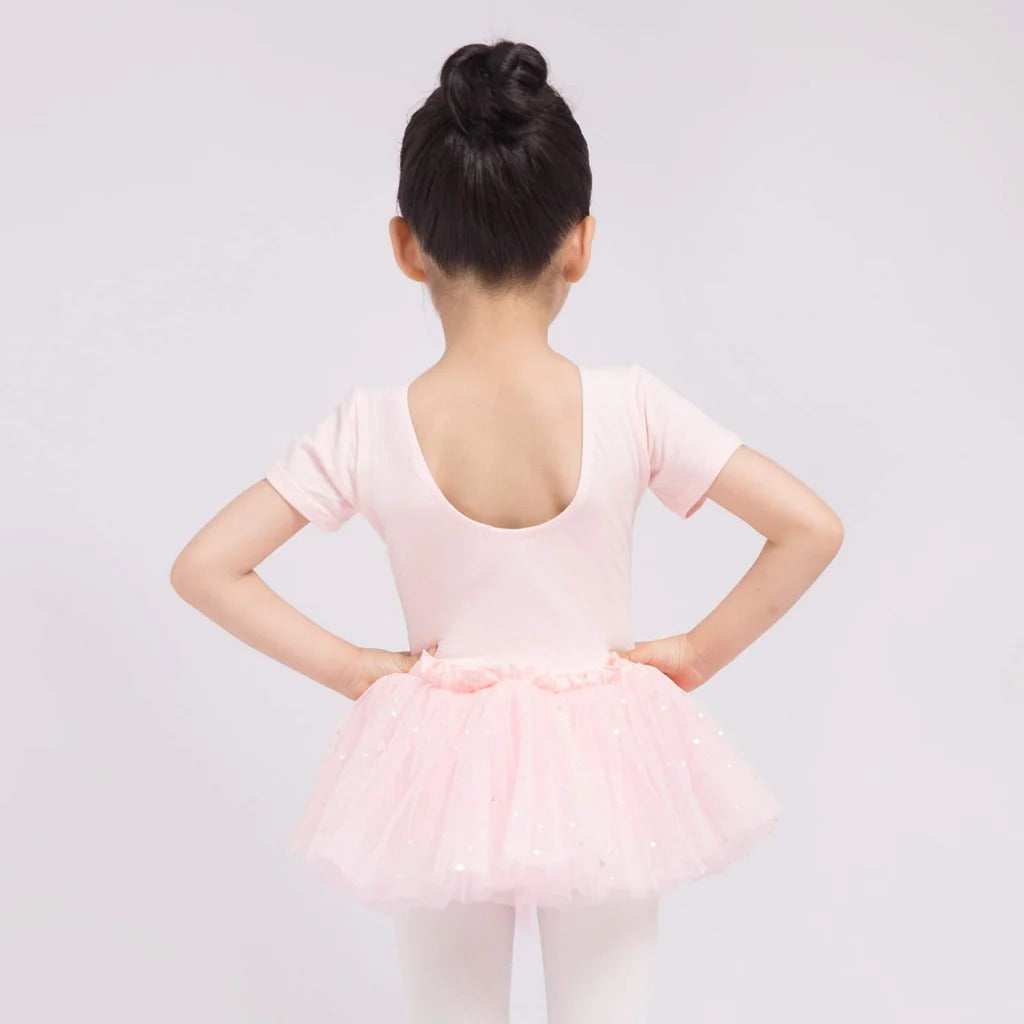
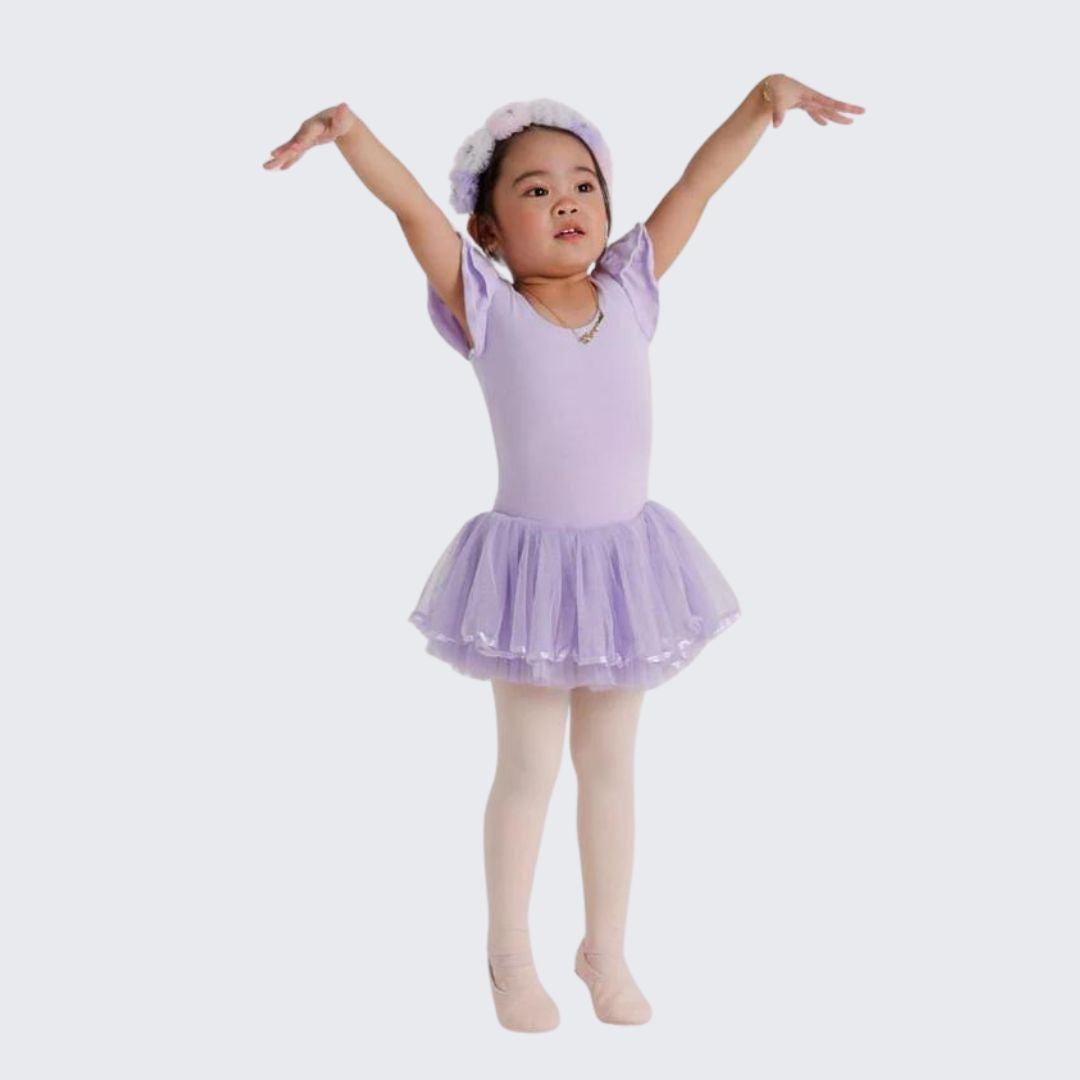
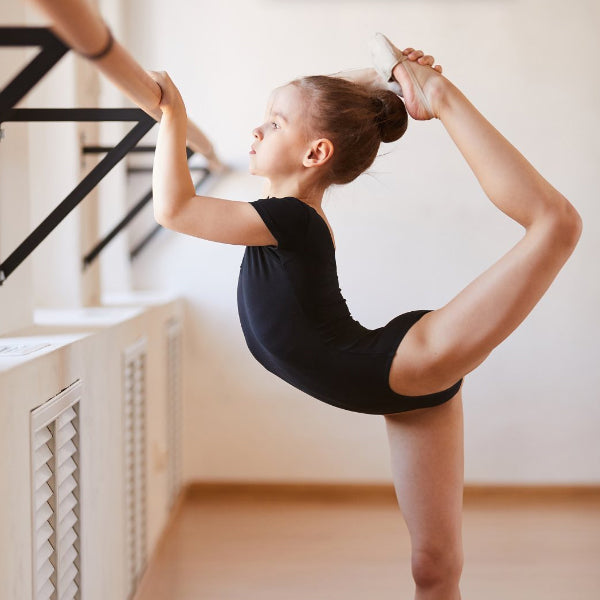
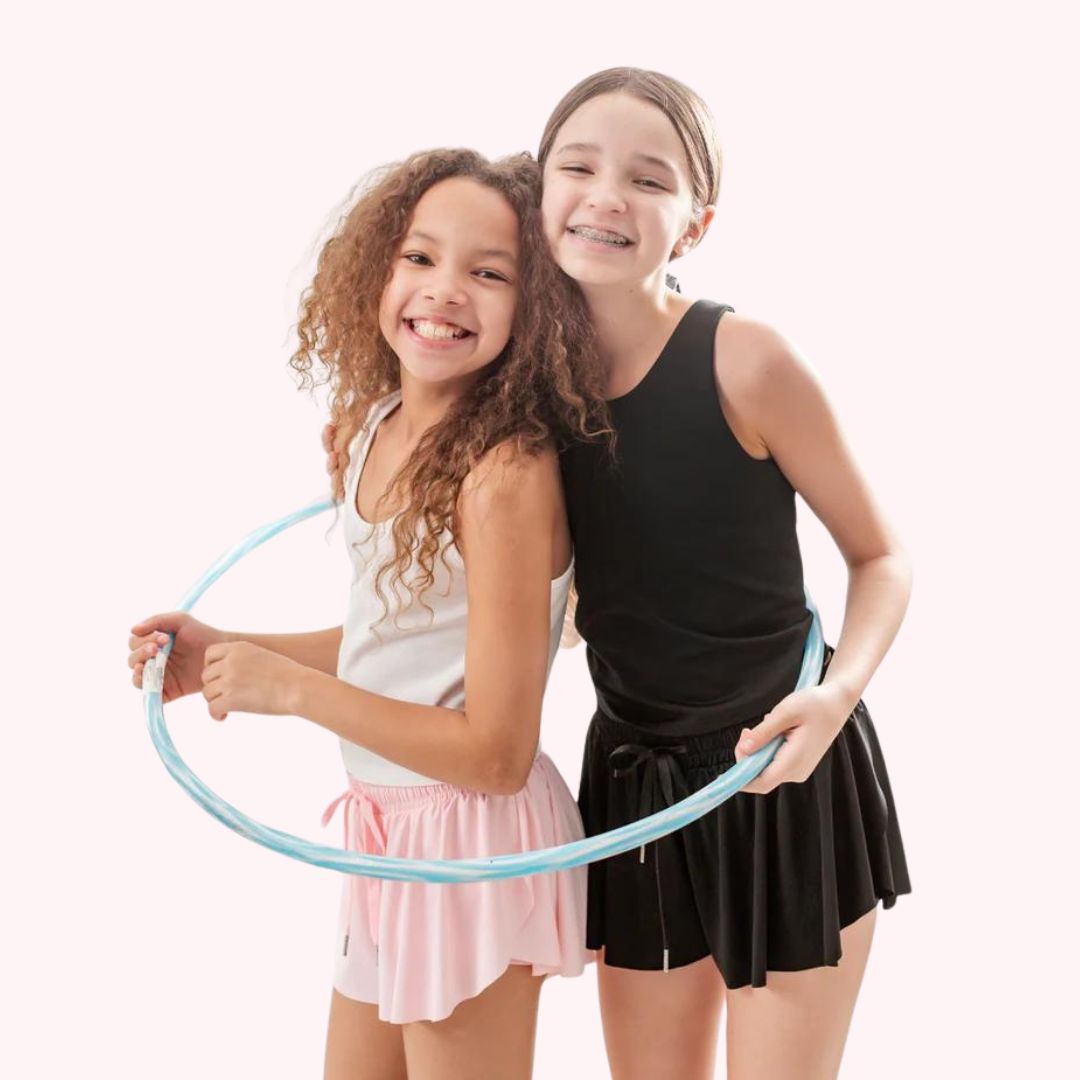
The pictures on our blog are created using artificial intelligence to bring our learning content to life. We hope they make reading more enjoyable.
Fabric Face-Off: Breathability, Comfort, and Fit Mechanics
Cotton feels airy because it absorbs moisture close to the skin. Stelle World reports that cotton can absorb up to 27 times its dry weight in moisture before releasing it. This can feel pleasant during a shorter class, especially for a child who notices itchiness or friction. During a long rehearsal, absorbed sweat may leave cotton damp and heavy. Nylon absorbs about 4% moisture by weight, according to Speerise, then moves perspiration across the fabric so it can dry more quickly.
Drying speed does not automatically mean better skin comfort. A close nylon knit may trap heat against the chest, waist, or hips if it fits too tightly. Warmth and rubbing can irritate sensitive skin where seams or leg openings press repeatedly. Nylon may also hold odor when moisture remains in the fabric. Cotton usually feels softer, yet damp cotton can increase friction. Washing soon after active practice and allowing either fabric to dry fully supports better hygiene.
Fit mechanics are noticeable on a tall or curvier frame. Cotton-spandex may flex gently across the bust and hips, while nylon-spandex often provides smoother stretch and quicker shape recovery. Neither fabric can correct a short torso measurement. If girth is too small, shoulder straps may pull, the neckline may shift, and leg openings may ride upward. Thin nylon can become less opaque across the chest or hips when stretched. Check coverage while your little one reaches overhead, bends, and opens her arms.
For bust support, construction matters more than the fiber name. A denser knit, reliable spandex content, wide straps, and a stable neckline can offer better coverage in either option. Cotton dancewear commonly includes 8% to 12% spandex for shape recovery, according to Stelle World. Nylon-spandex may feel more secure during repeated movement, yet excessive compression can create discomfort around the ribs or shoulders. Choose a fabric and cut that let your little one feel supported while breathing and moving freely.
Making the Choice: Fit, Feel, and Your Little One's Needs
Choose the fabric after checking how long your little one practices, how her skin responds to moisture, and how the garment fits across her body. For a shorter class or sensitive skin, cotton-spandex may feel gentle and breathable. For extended rehearsals, nylon-spandex may feel lighter because it dries more quickly. A taller or curvier child needs sufficient girth, bust room, and torso length in either fabric. A larger size is not always the answer if it creates loose straps or shifting coverage.
| Your little one's needs | Fabric direction | Fit and care check |
|---|---|---|
| Sensitive skin or frequent itchiness | Soft cotton-spandex may feel more comfortable | Check seams, leg openings, and dampness after class |
| Long rehearsals or heavy perspiration | Nylon-spandex may dry sooner | Wash promptly and dry fully to limit lingering odor |
| Tall torso or long back measurement | Either fabric can work with sufficient stretch | Use girth measurements and test overhead reach |
| Fuller bust, hips, or apple-shaped body | Choose the denser, more opaque knit | Check chest coverage, neckline stability, and riding up |
Try the garment through ordinary movements before removing the tags. Ask your little one to reach overhead, bend forward, sit, and lift each arm. The torso should stay connected to the body without pulling at the shoulders. The neckline should cover the chest, and leg openings should stay flat without leaving deep marks. Look at the fabric across the bust and hips in bright light. If the knit becomes thin or see-through, select a denser construction or a different size.
Follow the garment label, wash after sweaty classes, and avoid leaving damp dancewear in a closed bag. Gentle washing can help protect spandex recovery, while complete drying helps fabric stay fresher. Cotton may shrink with excessive heat. Nylon can lose its smooth feel with harsh heat or rough handling. Note which fabric feels comfortable after several classes, since your little one’s height, proportions, and activity level may change.
Common Questions About Choosing a Fabric
Which fabric is cooler? Cotton often feels airier against the skin. Nylon may feel more comfortable during vigorous activity if quick drying matters most.
Which option gives better bust support? Knit density, spandex content, straps, and neckline matter more than the fiber alone. For children’s handwriting practice, select the garment that stays opaque and secure during movement.
What is the clearest buying rule? Match moisture needs first, then confirm girth, bust, torso length, coverage, and skin comfort. Slowly and steadily, that process makes a reliable choice for your little one.
Frequently Asked Questions
What is the best fabric for leotards for big girls?
Cotton-spandex is often the best fabric for big girls who need a soft feel and gentle stretch, while nylon-spandex suits dancers who need quick drying and smooth shape recovery. I recommend checking torso length, bust coverage, opacity, and leg openings before choosing by fiber alone.
What are some good dance leotards for plus-size girls?
Dance leotards for plus-size girls should offer enough girth, full bust coverage, secure leg openings, and fabric that stays opaque when stretched. I look for cotton-spandex blends for softness or nylon-spandex styles for faster drying, then compare body measurements with the brand’s size chart.
Are cotton leotards good for fuller-bodied children?
Cotton leotards are good for fuller-bodied children when they include spandex and provide enough room through the torso, chest, and hips. Cotton can feel soft and breathable against sensitive skin, though it may become damp and heavy during a long class, so wash and dry it soon after use.
What should I check before buying a leotard for a taller or curvier child?
A leotard for a taller or curvier child should match girth and bust measurements, not age alone. I suggest checking that the torso lies flat, straps do not pull, the neckline stays covered, and leg openings remain secure without leaving deep marks during movement.
What are the latest trends in leotards for girls?
Current leotard choices for girls include soft cotton-spandex blends, quick-drying nylon-spandex knits, fuller coverage, and cuts designed around varied body measurements. For a big girl, fabric trends matter less than opacity, torso length, comfortable seams, and a fit that allows reaching, bending, and stretching.
What are the best leotards for girls with sensitive skin?
The best leotards for girls with sensitive skin are usually soft cotton-spandex styles with smooth seams and comfortable leg openings. Nylon can also work if the knit does not trap heat or rub, so I recommend checking the inside finish and trying gentle movement before class.
