



difference between child and big girl dancewear sizes
The difference between child and big girl dancewear sizes is more than a number on a tag. The pattern changes through the torso, waist, neckline, leg opening, and built-in support. A street-clothing size can suggest a starting point, but it cannot confirm a comfortable dance fit. I recommend looking at body measurements and construction details before choosing a size for your little one.
Key Takeaways
- I always tell moms that a child's dancewear size depends more on torso length and waist fit than on the number from a street clothing tag.
- You will notice that big girl sizes add built-in support and adjust the neckline and leg opening to match a growing dancer's shape.
- Before you order, measure your little one's body carefully because the pattern changes in the torso and waist between child and big girl sizes.
- A comfortable dance fit comes from checking construction details like seam placement and elastic, not just from guessing a size based on age.
Size names also vary. One chart may use Child Small through Child Large, while another may list Youth 10 through 14. The label matters less than the garment’s proportions, especially its vertical torso length and girth. Dancewear should lie smoothly against the body while allowing your little one to move, stretch, bend, and raise the arms freely.
Child vs Big Girl Dancewear: What Actually Changes in the Cut
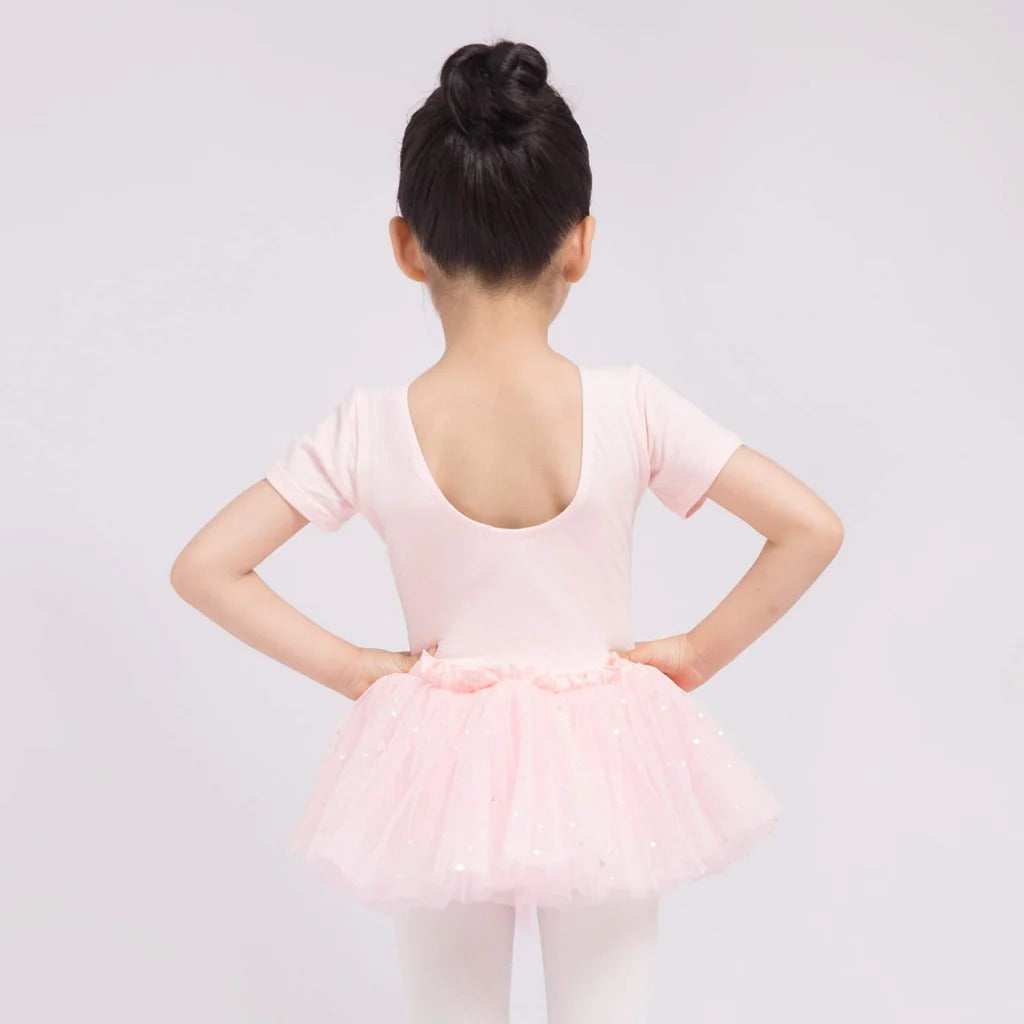
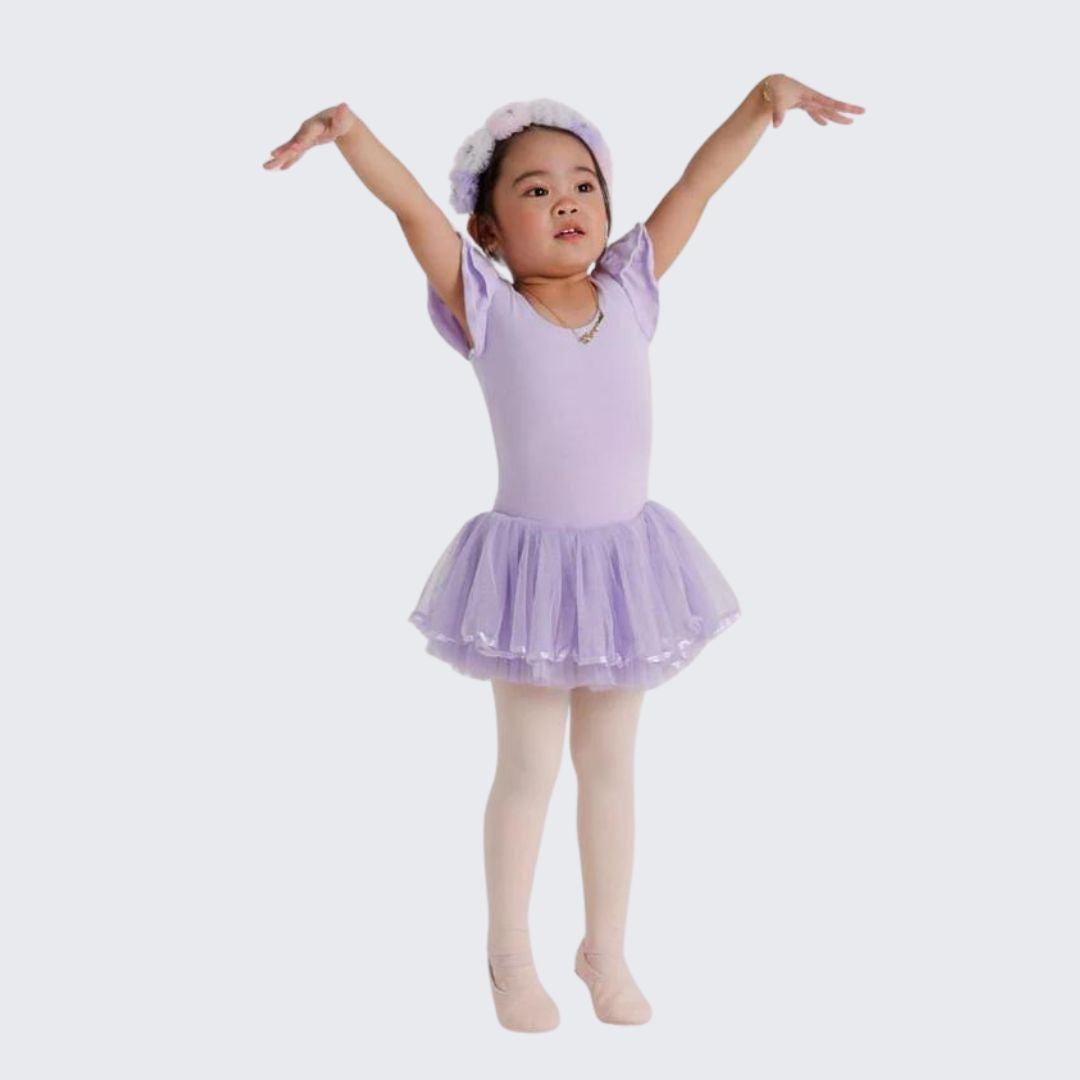
Child sizing is generally drafted for a straighter, shorter torso. It often allows less difference between the chest and waist. Big girl, tween, and adult-transition sizing usually introduces more shaping through the bust, waist, and hip. Research summarized in the Dancewear Solutions size charts describes this shift as a larger bust-to-waist taper in older youth and transition sizes. That is why a numeric girls’ size does not translate neatly into Child Intermediate, Child Large, or Child XL.
Understanding Size Ranges: Child SC to Child Large and Big Girl Youth 10-14
Child SC commonly means Small Child, although the exact height, chest, waist, and girth range depends on the size chart. Child Medium and Child Large continue that younger proportion. Big girl sizing, such as Youth 10 through 14, may provide more torso length and a defined waist. The names are not universal, so compare the actual measurements rather than assuming Youth 10 equals Child Large.
| Fit feature | Child sizing | Big girl or transition sizing |
|---|---|---|
| Torso shape | Usually straighter and shorter | Often longer with more waist shaping |
| Bust-to-waist change | Usually modest | Often more pronounced |
| Support details | May use a simple front lining | May include a shelf lining or fuller front coverage |
| Leg and neckline fit | Designed for a younger silhouette | Can have a deeper rise and more shaped neckline |
Three Key Construction Changes: Straight Torso, Waist Contour, and Shelf Lining
First, check the torso pattern. A straight child cut may fit evenly from chest to hip, while a big girl cut narrows at the waist. Second, examine the waist contour and leg cut rise. Extra shaping can prevent fabric bagging, but it may feel loose if your little one has not yet developed those proportions. Third, look for a shelf lining. This sewn-in layer can provide added coverage and stability, while a basic lining may offer only modesty.
Why Girth Trumps Age: How to Measure Correctly

The difference between child and big girl dancewear sizes becomes easier to understand when you start with torso girth rather than age. Your little one may be tall, petite, broad through the shoulders, or long through the body for her age. Street clothing usually measures separate areas, such as waist or inseam. A leotard must fit one continuous length from shoulder, through the torso, to the crotch. Size charts from Dancewear Solutions place body measurements ahead of age when selecting dancewear, which makes girth the most useful first check.
Step-by-Step: Measuring Your Dancer’s Torso Girth at Home
Use a soft measuring tape and have your little one stand naturally in fitted clothing or a swimsuit. Keep the tape flat against the body, but do not pull it tight. A second adult can help hold the tape and record the number accurately.
- Start at one shoulder. Place the tape at the center of the shoulder, close to the neckline.
- Follow the full torso. Bring the tape down the front, through the legs, and up the back to the starting point. This is vertical torso girth, not waist circumference.
- Keep the posture natural. Your little one should stand tall without stretching, arching, or tucking the hips.
- Check the tape position. Keep it centered over the bust, aligned through the crotch, and level across the back.
- Record the measurement. Compare the result with the garment’s girth chart. If the measurement falls between sizes, also review chest, waist, and height.
Signs the Leotard Is Too Small or Too Big
A correct fit lies smoothly against the body without restricting movement. Girth that is too short can pull the crotch upward, dig the shoulder straps into the skin, or create horizontal strain across the chest and back. A neckline that shifts during bends may also signal insufficient torso length. These signs can appear even when the waist and chest measurements seem close.
- Too small: straps pull inward, the crotch sits high, leg openings cut into the body, or fabric strains across the torso.
- Too large: the neckline gaps, straps slide off, the seat wrinkles, or fabric bags at the waist and hips.
- Uneven fit: the chest feels secure while the torso pulls, or the torso fits while the bust or waist feels loose.
Key fit check: Have your little one raise her arms, bend forward, and make a gentle stretch. The garment should keep the crotch aligned, maintain coverage, and allow steady movement without strap digging or neckline sagging.
The Tween Dancewear Bridge: Matching Growth Without the Mismatch
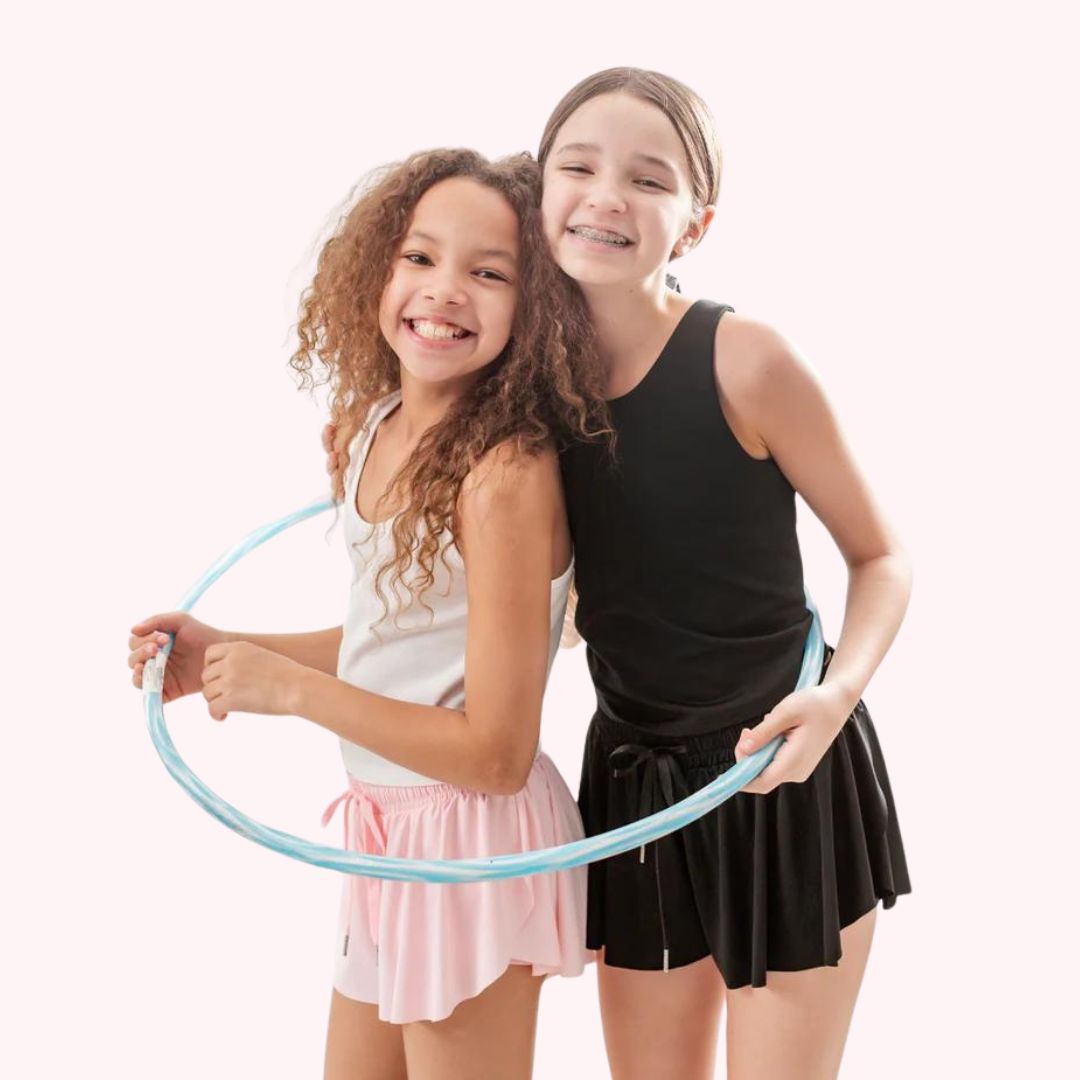
The move from child sizing into tween or adult-transition sizing can feel unclear. A Child XL may offer extra room through a younger, straighter pattern, while an Adult XS may provide more torso length and a narrower waist. The right choice depends on vertical girth, chest, waist, hip, and the garment’s construction. Your little one may fit the width of one category and the length of another. In that situation, the measurement chart and the garment’s cut matter more than the age printed beside the size.
Child XL vs Adult XS: When to Choose Which
Child XL is often the better starting point when your little one still has a youthful silhouette, needs modest front coverage, or feels loose through the bust in an adult cut. Adult XS may suit a longer torso when Child XL pulls at the crotch or straps, especially if the adult pattern remains secure at the neckline and leg openings. Do not treat the two labels as automatic equivalents. A size chart may place them at different chest, waist, hip, height, and girth measurements.
| Fit question | Child XL may suit | Adult XS may suit |
|---|---|---|
| Torso length | The child cut still reaches the crotch comfortably | The child cut feels short through the body |
| Body shape | A straighter chest, waist, and hip line | More waist contour and adult proportions |
| Upper-body fit | Youthful neckline and coverage feel secure | Adult neckline remains closed during movement |
| Construction | Simple lining and younger leg rise provide enough coverage | Shelf lining, fuller coverage, and longer rise fit comfortably |
Solutions for Tall, Athletic, or Developing Dancers
For a tall dancer, prioritize torso length without accepting a loose neckline or sagging back. For a broad-shouldered or athletic build, check shoulder strap tension, armhole comfort, and fabric stretch across the upper back. For a developing shape, look for coverage and a stable shelf lining rather than choosing a larger size that bags at the waist. A modesty gusset, suitable leg cut rise, and smooth seat can help the garment stay in place. If measurements fall across two categories, choose the cut that matches the longest area, then confirm the chest and waist remain secure.
Fit can change as your little one grows, so save the current girth and height measurements with the size chart used. Recheck them before the next purchase, especially after a growth spurt. The best transition is the one that leaves room for steady movement while keeping the neckline, straps, torso, and crotch aligned. That approach makes the label less important and gives you a clearer answer than street clothing size alone.
Frequently Asked Questions
What is the writing practice for children?
The children’s handwriting practice shows up in the pattern, not just the label. Child sizing is drafted for a straighter, shorter torso with modest chest-to-waist change, while big girl sizing adds more shaping through the bust, waist, and hip. I always check measurements before picking a size.
Does Youth 10 equal Child Large in dancewear?
Youth 10 does not automatically equal Child Large in dancewear. Size names vary between brands, and one chart may use Child Small through Child Large while another lists Youth 10 through 14. I compare the actual height, chest, waist, and girth numbers rather than trusting the tag.
How do I measure my little one's torso girth for a leotard?
Measuring torso girth for a leotard takes a soft measuring tape and a natural standing position. Start at the center of one shoulder, bring the tape down the front, through the legs, and up the back to the starting point. Keep the tape flat but not tight, then compare the number to the girth chart.
Why is girth more useful than age for choosing dancewear?
Girth matters more than age because a leotard must fit one continuous length from shoulder through the torso to the crotch. Little ones can be tall, petite, or long-bodied for their age, so street clothing sizes rarely confirm a comfortable dance fit. Size charts place body measurements ahead of age for this reason.
What are the signs a leotard is too small or too big?
A leotard that is too small pulls the crotch upward, digs the shoulder straps into the skin, or strains across the chest and back. A leotard that is too big gaps at the neckline, slides off the shoulders, or bags at the waist and hips. Have your little one raise her arms and bend to test the fit.
What is a shelf lining in big girl dancewear?
A shelf lining is a sewn-in layer of fabric that provides added coverage and stability in big girl and transition dancewear. Child sizing often uses only a simple front lining for modesty. I suggest checking this construction detail when your little one moves up in sizes.
Should I choose Child XL or Adult XS for my tween dancer?
The choice between Child XL and Adult XS depends on your dancer's vertical girth, chest, waist, and hip measurements. A Child XL offers extra room through a younger, straighter pattern, while an Adult XS provides more torso length and a narrower waist. Measure first, then compare both charts.
