

gymnastics shorts
Choosing gymnastics shorts for your little one starts with movement, not decoration. The right pair should stay in place during jumps, splits, rolls, and stretches while allowing a full range of motion. A close fit, soft fabric, and a secure waistband can make practice easier to manage.
Key Takeaways
- Prioritize function over appearance when shopping, because a cute pair of shorts means little if it slips or rides up during practice.
- A snug but comfortable fit lets young gymnasts move freely through jumps, splits, rolls, and stretches without restriction.
- A secure waistband is one of the most important features, keeping shorts in place so your child can focus on skills rather than fixing clothing.
- Soft, gentle fabric helps little ones stay comfortable from warm-up through the end of class.
I am Andrea Schiffer, founder of Dancina. I believe clothing for little ones should feel easy to wear and simple to manage. A reliable fit gives your little one one less thing to think about during class.
What are these shorts?
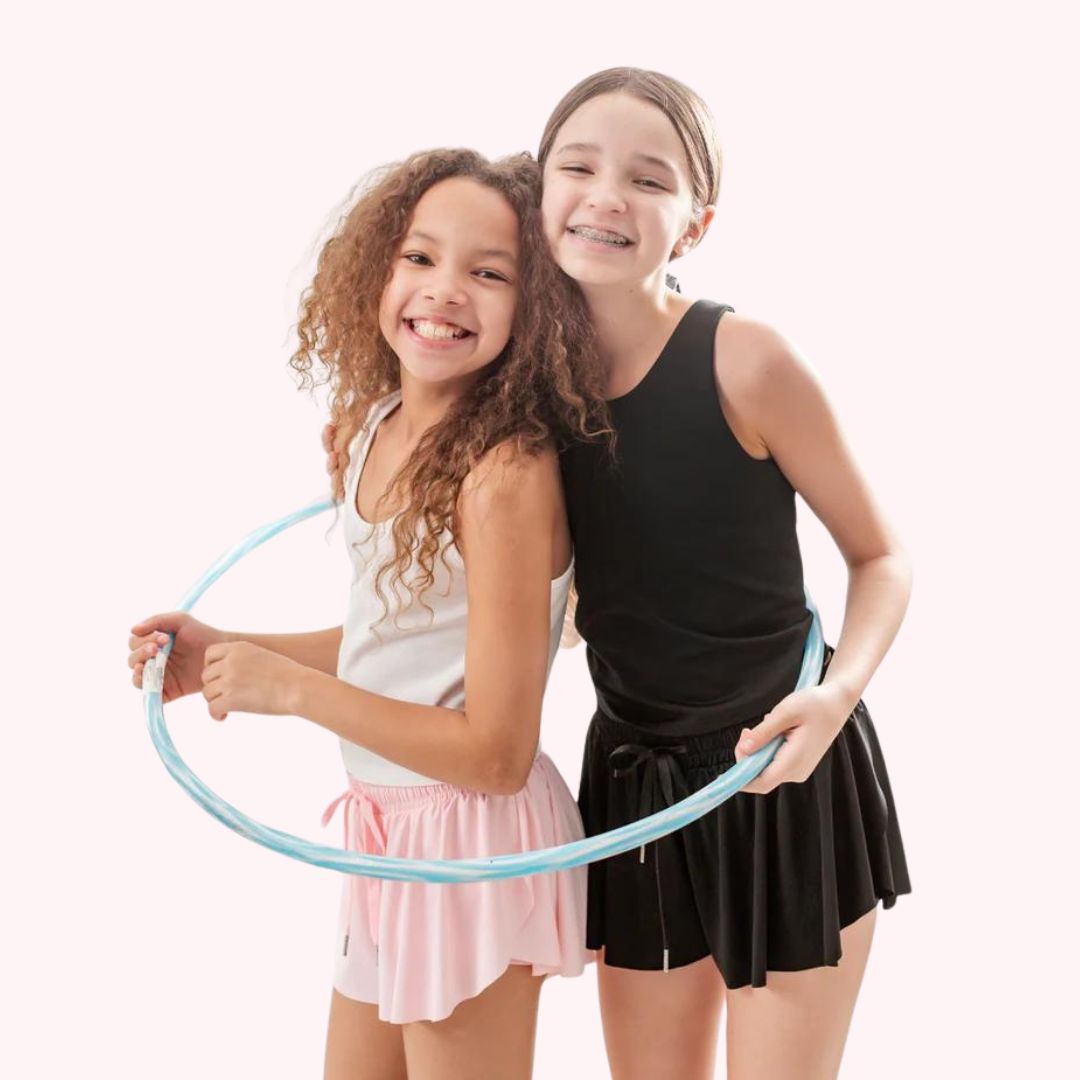
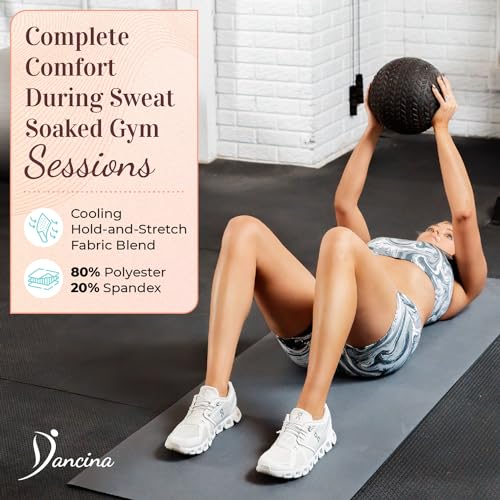
Children’s gymnastics shorts are close-fitting athletic bottoms made for tumbling, floor work, jumps, and flexibility exercises. They may include a stretchy fabric blend, so the material can move with the hips, legs, and waist. Their close shape reduces extra fabric that may shift during a skill.
For your little one, look for a smooth waistband, secure leg openings, soft seams, and enough coverage for active movement. The shorts should feel snug without digging into the waist or thighs. Ask your little one to squat, stretch, jump, and reach overhead. Watch for pinching, twisting, or fabric that rides up.
Care matters, too. Follow the label, avoid excessive heat, and check the fabric regularly for thinning areas, loose threads, or small holes. A waistband that stays in place can also help young children manage their clothing more independently.
Why can these shorts help during practice?
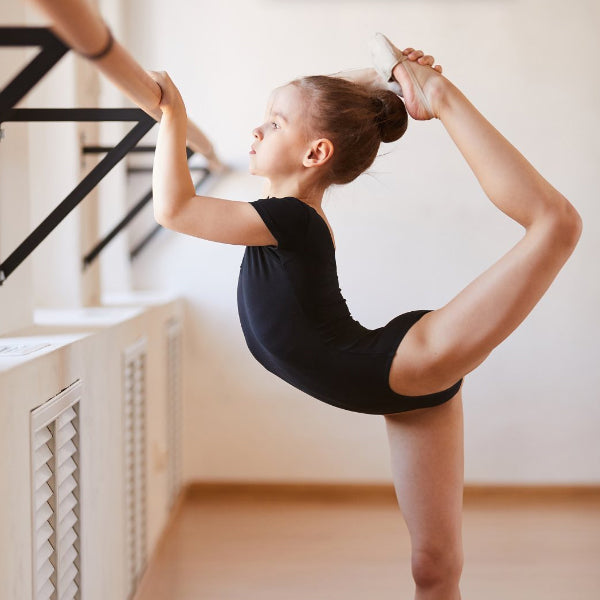
Well-fitted shorts allow your little one to bend the knees, extend the legs, practice a bridge, and work through a cartwheel without loose fabric getting in the way. Their close shape can also help a coach see leg alignment and body position during instruction.
A stable waistband means fewer adjustments during class. Flat seams and soft fabric may reduce rubbing around the waist and upper legs during floor exercises, warmups, and repeated drills.
Durable fabric can return to its shape after stretching. Look for secure stitching and leg openings that do not loosen quickly. Replace the shorts when the fabric becomes thin, the waistband stays loose, or small holes appear.
For girls and boys, the basic fit points are the same: secure coverage, flexible fabric, and comfort through a full range of motion. The best pair is the one your little one can wear, move in, and forget about during practice.
How to choose shorts for children
Start with fit and movement. Children’s shorts should sit close to the body without digging into the waist, hips, or upper legs. Ask your little one to squat, stretch, jump, lift each leg, and try a gentle bridge. A snug fit is usually more suitable than a loose fit because extra material can move during rolls and tumbling.
Check the waistband and leg openings. The waistband should rest flat rather than fold, curl, or leave deep marks. The leg openings should provide coverage without cutting into the thighs. If your little one keeps pulling the shorts down or tugging them into place, the size, rise, or cut may not suit them.
Measure the waist and hips with a soft tape, then compare those numbers with the garment measurements. Age sizing can vary. A pair that fits well before washing may feel different after its first care cycle, so follow the label and avoid excessive dryer heat.
A simple fitting check: Have your little one raise both arms, bend the knees, touch the toes, and take several wide steps. The waistband should remain level, the leg openings should stay covered, and the fabric should return to its shape after stretching.
Think about the class setting, too. A beginner class may call for easy care and soft seams. Frequent training may call for stronger stitching and dependable shape retention. Ask the instructor whether the studio has rules about coverage, color, or uniform style. The right fit should stay secure from warmup through cleanup as skills slowly build.
Sources
- USA Gymnastics Education: https://usagym.org/pages/education
- National Library of Medicine: https://www.ncbi.nlm.nih.gov/pmc/articles/PMC6314479/
- Gymnastics overview: https://en.wikipedia.org/wiki/Gymnastics
Frequently Asked Questions
What are the best shorts for girls?
The best pair is one that stays in place, allows a full range of motion, and feels comfortable through warmups and floor work. Look for a close fit, soft stretch fabric, secure leg openings, and a waistband that lies flat. Your little one should be able to squat, jump, stretch, and lift each leg without pulling at the fabric. A good fit matters more than a decorative detail or a particular color.
What shorts do gymnasts wear?
Gymnasts typically wear close-fitting athletic shorts made from a stretchy blend. This shape limits loose fabric during tumbling and helps an instructor see body alignment. Some studios require a specific uniform, so check the class guidelines before purchasing. For younger children, simple care instructions and easy dressing can be useful parts of the decision.
Should shorts fit tight or loose?
They should fit snugly without squeezing the waist, hips, or thighs. Loose fabric may twist, ride up, or catch during rolls. A fit that is too tight can restrict bending and make sitting on the floor uncomfortable. Have your little one move through a squat, toe touch, jump, and wide step. The waistband should remain level, and the material should cover the body during each movement.
What material is best for children’s shorts?
A stretchy fabric blend is a practical choice. Check the seams, waistband, and leg openings before purchase. Follow the care label after class, since hot water and high dryer heat may weaken stretch fibers over time.
How do I prevent shorts from riding up?
Begin with the correct waist and hip measurements rather than relying only on age sizing. Choose a secure waistband and leg openings that sit comfortably against the body. If the shorts shift during a squat or stretch, try a different size or cut. Replace them when the elastic remains loose or the fabric no longer returns to its original shape. These small checks help your little one practice with fewer clothing adjustments as skills slowly build.
