
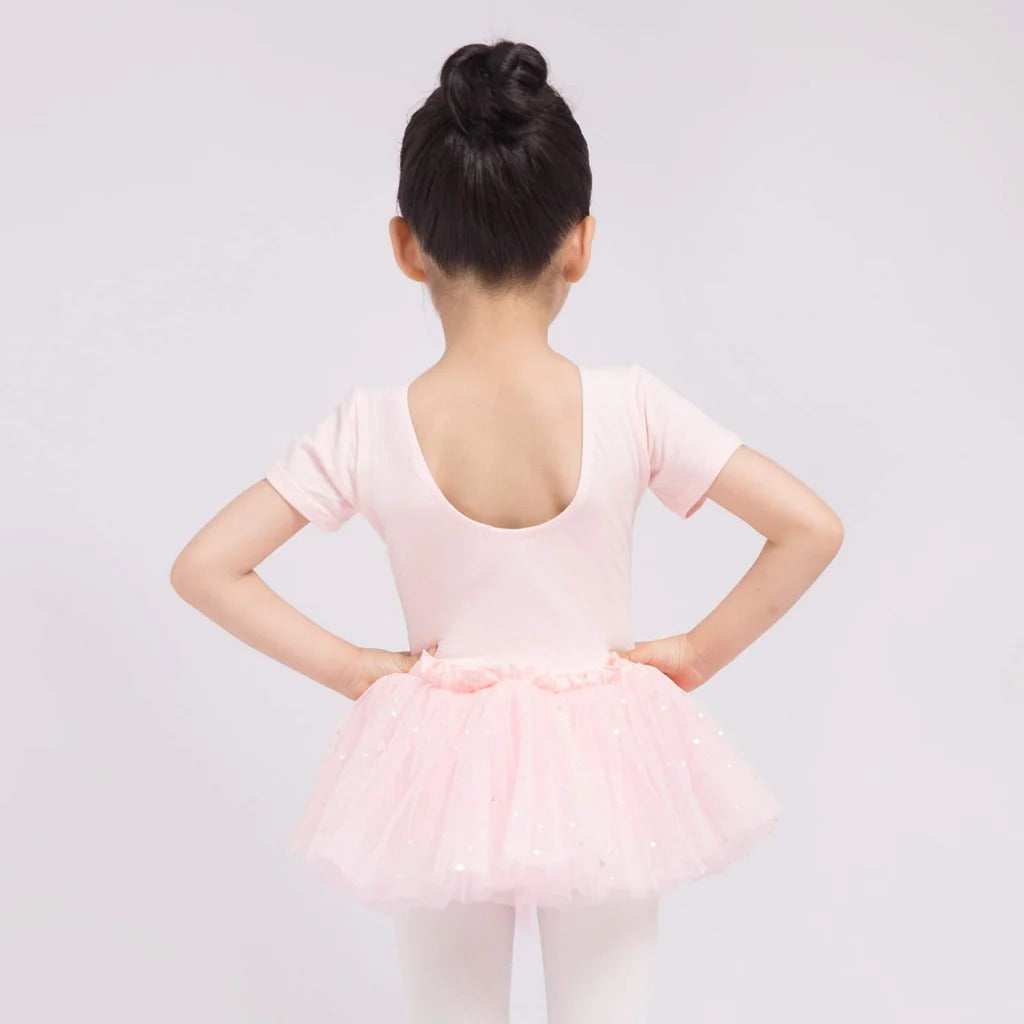
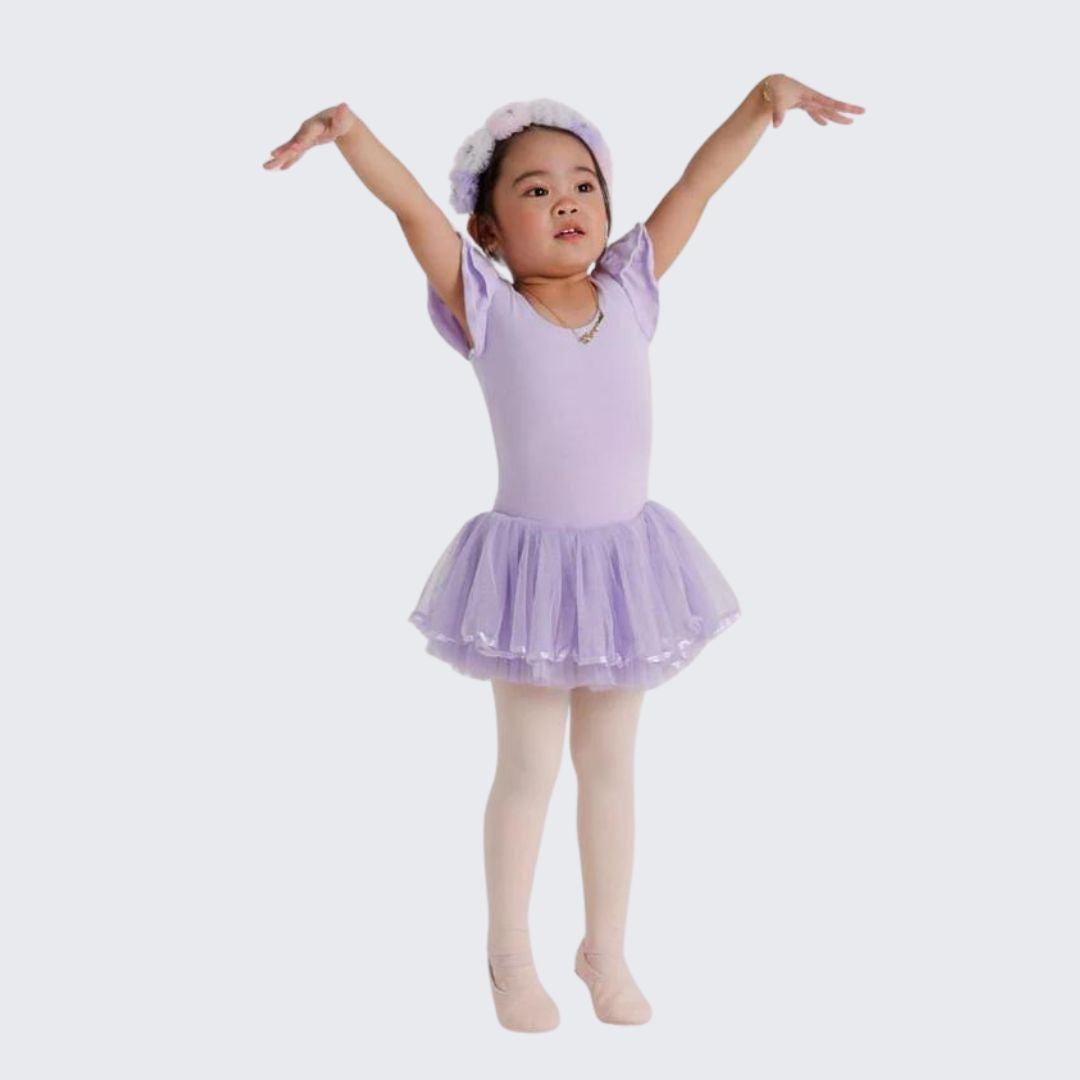
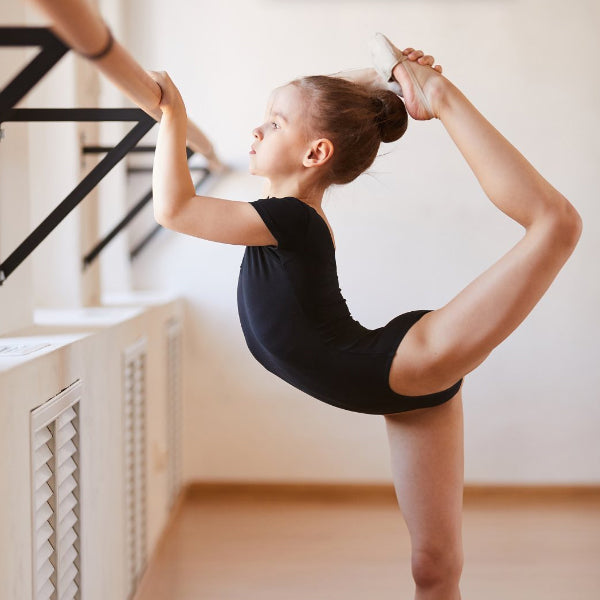
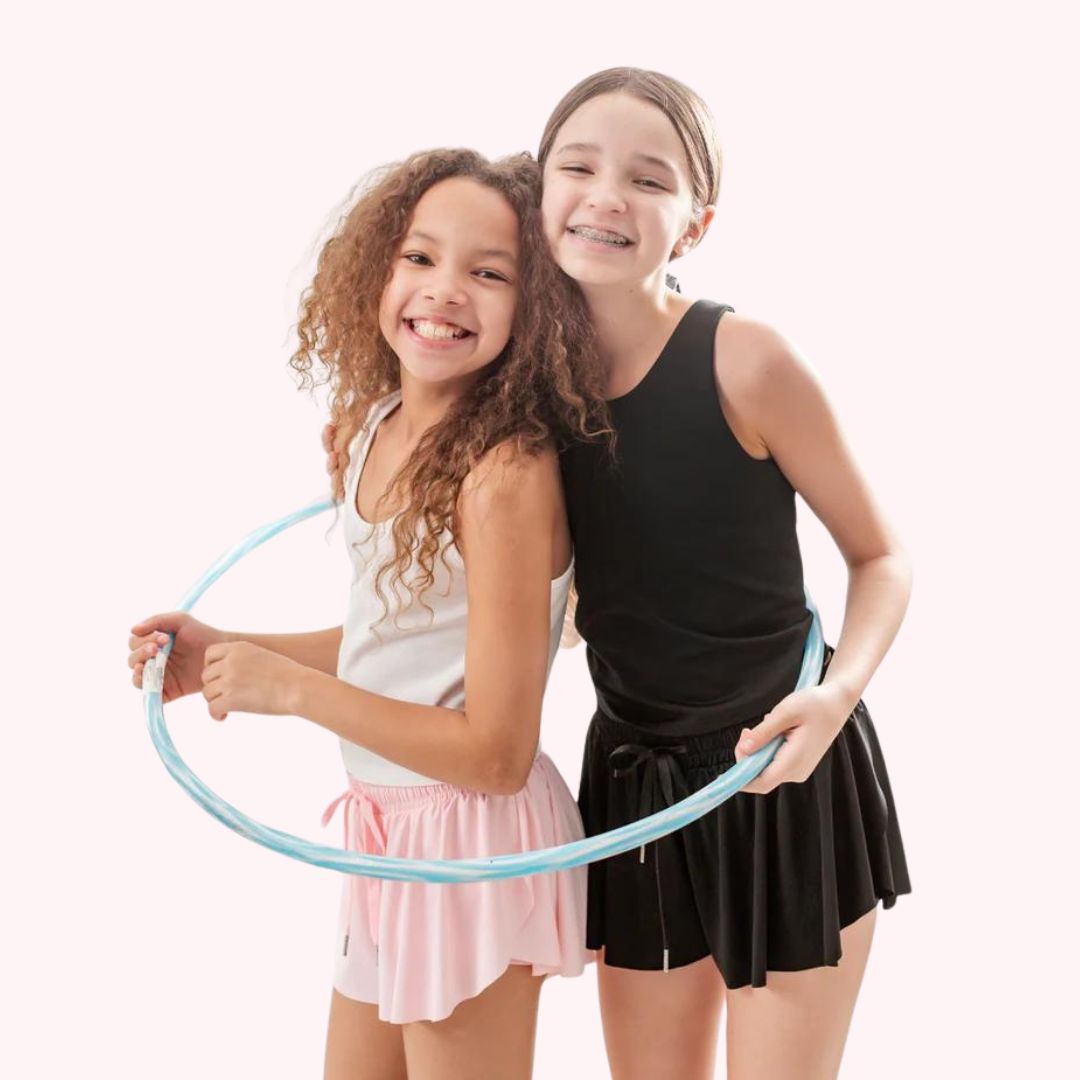

ballet leotards
Choosing ballet leotards starts with a simple fit check. Your little one should be able to move, stretch, and follow class instructions comfortably. A careful review of the studio dress code and size chart can make the selection easier.
Key Takeaways
- Select a leotard made from a fabric suitable for comfortable practice sessions.
- Ensure the fit is snug but allows for complete freedom of movement across the dance floor.
- Choose a classic color that adheres to your specific studio dress code requirements.
- Check that the neckline and straps fit comfortably without causing irritation.
- Look for stitching that appears secure when inspecting a garment for regular use.
Start with the studio requirements. Choose a comfortable style, check the size chart, and allow time for your little one to try the garment on before class. The goal is to find a secure fit that does not distract from dancing.
What should a leotard feel like?
A dance leotard should follow the body without pinching or pulling. Each style has its own neckline, straps, and leg line. Your little one can try those details one at a time, starting with a cut that feels comfortable through everyday dance movements.
Young dancers often need time to notice whether a garment stays in place while they reach, bend, and turn. A clear size chart can help. So can a fitting area with enough space for the body to move without crowding.
Trying on a leotard does not need to take long. A few gentle movements can give your little one time to check the fit. I prefer a careful fit check over choosing a garment quickly.
What should you check before class?

Ballet leotards give your little one a clear outfit for class. A simple fit check helps the garment feel familiar over time. The choice may take a little trial and error. That is perfectly fine.
A prepared dance bag can also make a class day easier to begin. Your little one sees what to wear, chooses their shoes, and gets ready for the lesson. A simple routine can help dance become part of the week without taking over the day.
Watch for comfort as your little one moves. The straps should stay in place, the fabric should feel easy to wear, and the arms and legs should have room to move. If the garment looks uncomfortable, pause and check the size or style another day.
You can make the choice personal by letting your little one consider approved styles. A favorite color, a familiar cut, or a studio-approved detail can give the garment meaning. Small choices like these can make getting ready feel more inviting.
How to choose a leotard for dance class
Begin with a short, clear fitting routine. Give your little one a comfortable place to change, review the studio requirements, and choose one small fit check. Start with the torso and straps. Then look at the garment together and notice comfort, not just the finished look.
- Choose a studio-approved color and style.
- Check where the straps and neckline sit.
- Let your little one try gentle movements slowly.
- Allow room for independent fit checks.
- Pause if the garment feels uncomfortable or restrictive.
A size chart can give measurements a helpful place in the selection process. It shows which chest, waist, hip, or torso measurements may apply. Use it alongside the studio requirements when your little one is ready to try a new style.
The Dancina collection offers dancewear for children for dance class. Review the product page and size chart before choosing a garment. You do not need a long fitting session. One style, or part of one style, may be enough for today.
Keep your words warm and specific. You might say, “Those straps are sitting in the right place,” or, “I can see you taking your time.” Then ask, “Which approved style would you like to try next?” A little encouragement can help your little one feel proud of careful preparation.
Sources
- https://en.wikipedia.org/wiki/Leotard
Frequently Asked Questions
How should a dance leotard fit?
It should follow your little one’s body without squeezing the shoulders, chest, waist, or legs. The fabric should stay in place during reaching, bending, and turning. Check the torso length carefully, since a short torso measurement can cause pulling even when the chest and waist measurements seem correct. Your little one should be able to raise both arms and sit comfortably. Deep marks, riding fabric, slipping straps, or exposed areas suggest that the size or cut needs another look.
What should I check before buying?
Begin with the studio’s color and sleeve requirements. Then review the size chart, fabric content, lining, closures, return policy, and care instructions. Measure your little one rather than relying only on age labels. Read the chart’s measurement instructions, since some companies use height, chest, waist, hip, or torso girth differently. If shopping online, keep the order details until the garment has been tried on over clean underclothes and checked through several gentle movements.
Which style is best for a beginner?
A simple tank or short-sleeve cut is often practical for an early class because it is easy to put on and allows the teacher to observe posture. A higher neckline may feel more secure, while a front lining may provide coverage if the product description states that it is included. The best choice depends on the studio rules, room temperature, and your little one’s comfort. I would choose a straightforward design first, then consider other details after your little one understands the class routine.
How do I care for dancewear?
Follow the care label. Cool washing, gentle detergent, and air drying may help protect the garment, seams, and color when the care label permits those methods. Avoid high heat unless the label specifically permits it. Check the garment regularly for loose stitching, stretched straps, thinning fabric, or reduced coverage. Replace it when movement becomes restricted or the fit no longer feels secure. For additional guidance, see these tips on how to put on tights. A well-fitting choice can support steady participation as your little one learns slowly and steadily.
What if my little one is between sizes?
Use the brand’s measurement guidance and pay close attention to torso length. Do not size up automatically, since excess fabric can shift during class. If possible, choose a retailer with a clear exchange policy and inspect the fit before removing tags. Comfort, coverage, and unrestricted movement should guide the final decision.
