


what dancewear should a big girl wear for a recital with a tutu
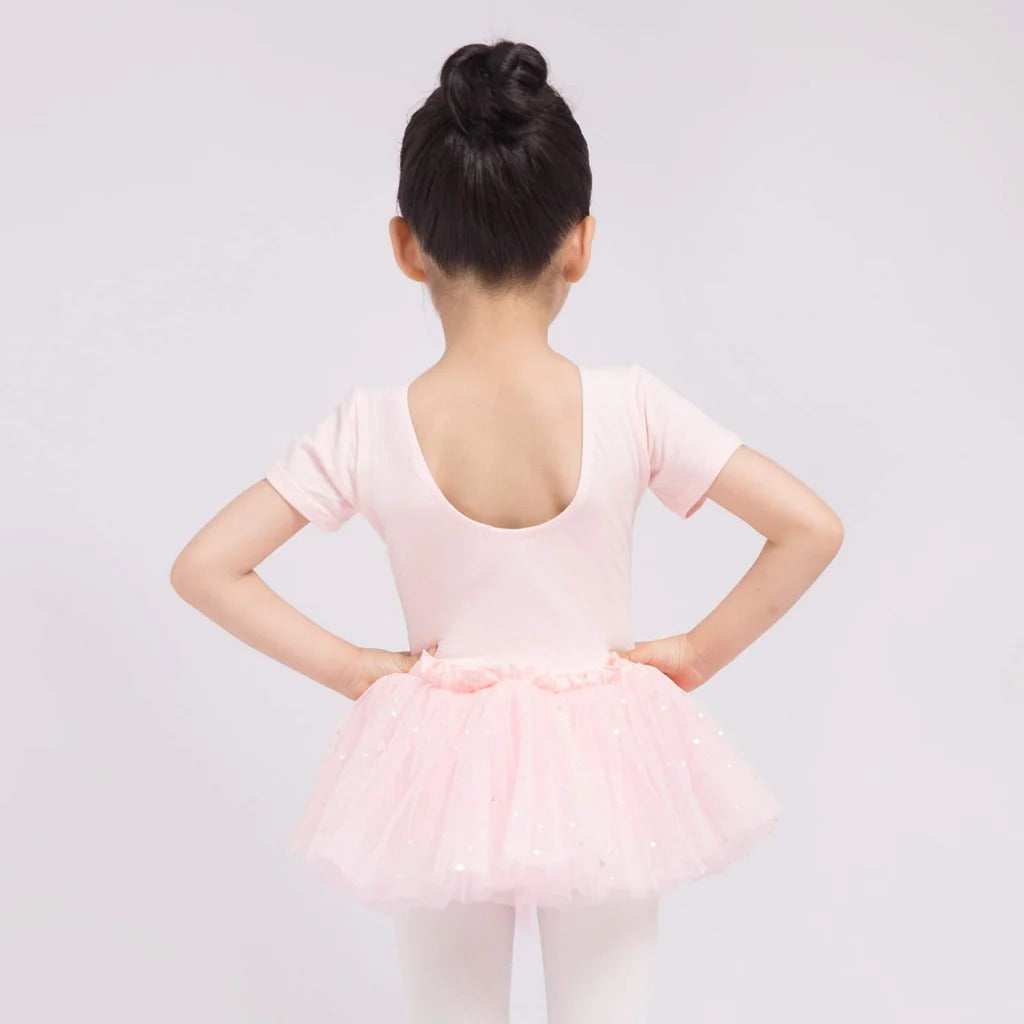
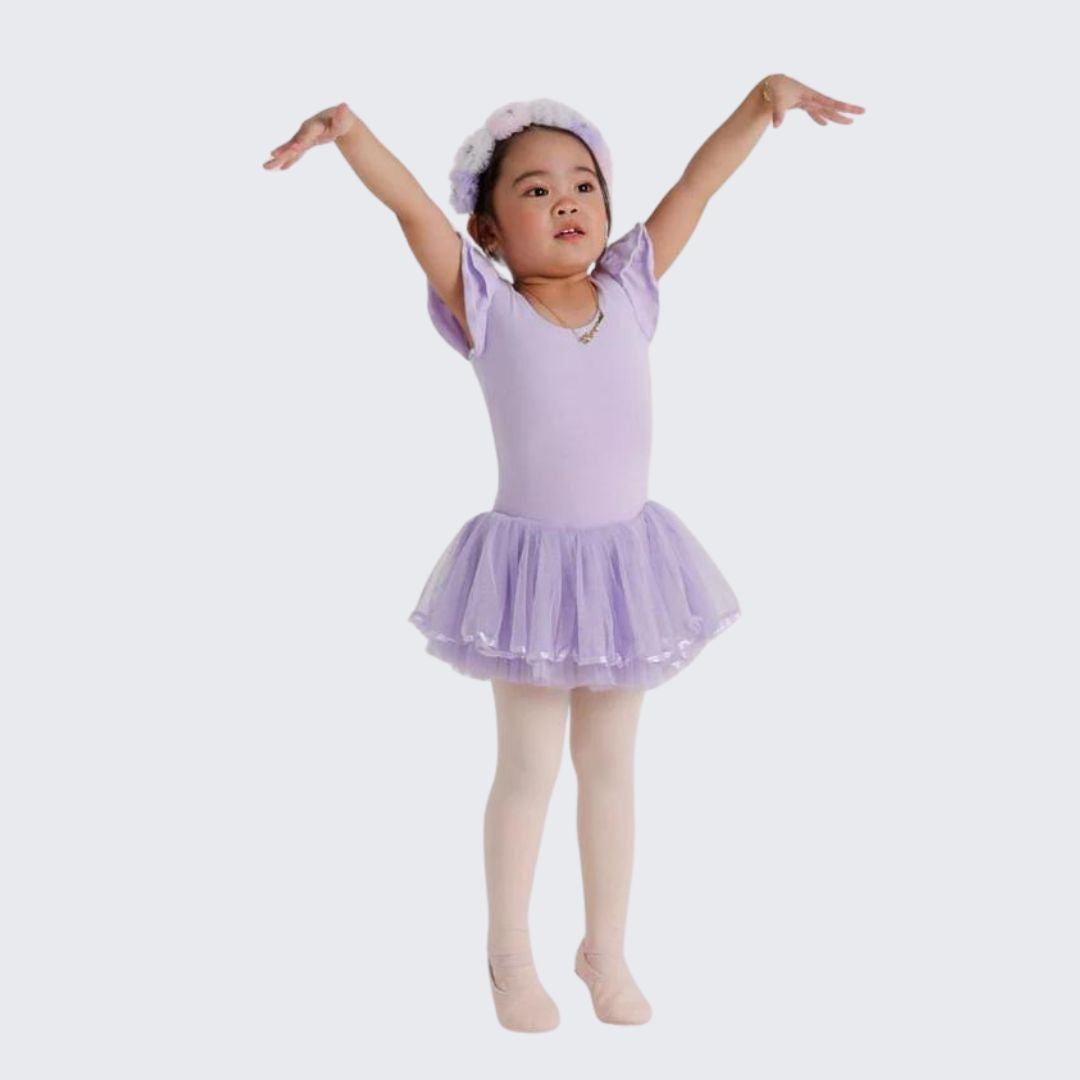
Choosing what dancewear should a big girl wear for a recital with a tutu starts with the studio’s written costume requirements, then moves to fit, comfort, and secure movement. For most little ones, the base is a properly fitted leotard, matching tights, ballet shoes, and a tutu placed at the natural waist. A dance dress or separate top and bottom may be suitable only when the teacher allows it.
Key Takeaways
- Always check the studio’s written costume rules before buying anything for the recital.
- A leotard that fits well, matching tights, ballet shoes, and a tutu at the natural waist create a secure base for your big girl.
- Fit and comfort matter most so your little dancer can move freely without adjusting her costume.
- A dance dress or separate top and bottom should only be used if the teacher gives the okay.
I am Andrea Schiffer, founder of Dancina, 2001 Swing Dance World Champion, and an Amazon bestselling educational author. I encourage families to use body measurements instead of a street-size label. A number such as “XL” can vary widely, and simply sizing up may leave the torso too short, the straps too narrow, or the bust without enough support.
Your Little One's Perfect Recital Tutu Outfit: A Simple Guide
For a curvier dancer, begin with a leotard that covers the chest and stays comfortably in place through a full range of motion. Add dance tights selected from the current measurement chart, ballet shoes that fit the foot securely, and a tutu that rests evenly without digging into the waist. The costume should allow your little one to bend, stretch, jump, and sit without pinching or shifting.
Ask the studio which color, sleeve style, tights shade, shoes, hair arrangement, and undergarments are required. Those details belong to the teacher or costume coordinator, not personal preference. If an assigned costume does not fit, contact the studio early. A teacher, costume fitter, or qualified seamstress may suggest a different size or a small alteration. Your little one deserves dancewear that respects her body and lets her focus on the performance.
Getting the Fit Right: A Curvy Dancer's Checklist

Measure your little one while she stands naturally, wearing a thin layer of clothing. Record chest, waist, hip, girth, and inseam measurements, then compare each one with the manufacturer’s current size chart. Girth is especially useful for a leotard because it shows whether the torso has enough length. Do not choose by age alone. A good fit lies smoothly against the body without pulling across the chest, riding into the hips, or leaving gaps at the leg openings.
- Leotard: Look for straps wide enough to stay flat, a neckline that provides coverage, a torso with adequate length, and leg openings that do not cut into the skin. A supportive front lining may help, depending on studio rules.
- Tights: Check the waist height, stretch, opacity, and gusset design. The waistband should stay up without rolling, and the fabric should not strain across the hips or knees.
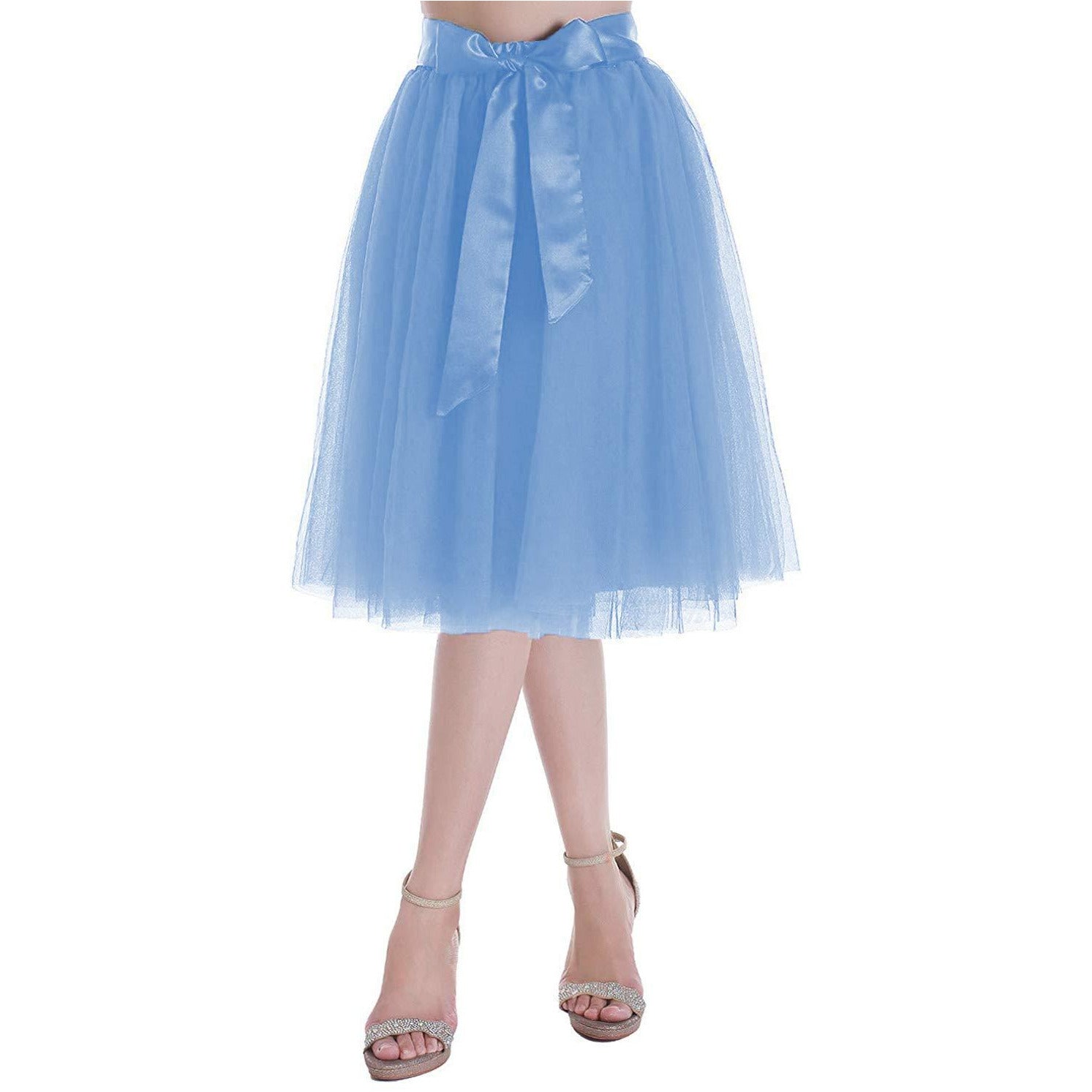
- Tutu: The waistband should sit securely at the natural waist. It should lie level from front to back, with enough room for comfortable breathing and sitting. Scratchy trim, tight elastic, or heavy layers can distract during a recital.
- Shoes: Confirm the studio’s required style and color. The heel, arch, and toes should feel supported, with no slipping during rises or small jumps.
Underwear is a personal comfort decision unless the studio gives a specific rule. Tights may have a built-in gusset, yet some dancers still prefer underwear for coverage and reassurance. Choose a tagless, smooth, low-profile pair in a cut that stays flat beneath the leotard. Test it with the complete outfit so you can check for visible lines, bunching, rolling, or waistband discomfort. Going without underwear can reduce extra lines, but only choose that option if your little one feels secure and the costume provides adequate coverage.
| Option | What to check | Best fit for |
|---|---|---|
| No underwear | Gusset coverage, personal comfort, and studio expectations | A dancer who feels secure with the tights’ construction |
| Low-profile underwear | Flat seams, tag-free fabric, full coverage, and no rolling | A dancer who wants an added layer beneath tights |
| Higher-rise underwear | Waistband placement beneath the leotard and tutu | A dancer who prefers extra midsection coverage |
Dress Rehearsal Ready: Movement Tests and Studio Rules
During dress rehearsal, ask whether what dancewear should a big girl wear for a recital with a tutu still feels secure once your little one moves. Put on the complete costume in the same order planned for recital day: leotard, tights, underwear if she chooses it, tutu, and dance shoes. Give her time to notice pinching, slipping, scratchy seams, tight elastic, or fabric that shifts across the chest and hips. A good rehearsal fit lets her focus on counting, musical timing, and smiling rather than adjusting her clothing.
Full-Costume Movement Test
Use the studio’s class movements rather than checking the outfit while your little one stands still. Watch from the front, side, and back. A trusted teacher or costume fitter can offer another helpful view.
- Plie: Check that the leotard stays smooth and the tutu remains level at the waist.
- Tendu and step: Look for tights that slide, twist, or pull at the knees and hips.
- Jump: Confirm that straps, leg openings, underwear, and waistband stay in place.
- Stretch: Ask whether the torso feels long enough and whether the neckline offers suitable coverage.
- Turn and sit: Check for rolling elastic, scratchy trim, exposed coverage, or shoes that slip.
- Floor work: Make sure closures, seams, and decorations do not poke or distract.
Use This Costume Decision Path
Is the costume required by the studio? Read the written policy first. Color, tights shade, shoe style, hair arrangement, and undergarments may be fixed requirements. If the outfit fits well and passes movement testing, keep it ready for rehearsal. If it does not fit, contact the teacher or costume coordinator before making changes.
Is the issue minor? A qualified seamstress may adjust a strap, hem, closure, or waistband when the studio permits alterations. Do not cut, pin, or reshape a supplied costume before receiving approval.
Is the issue major? If the torso is too short, the chest is not covered, the straps dig in, or movement is restricted, request a different size or approved replacement. A larger label alone may not solve the problem. Current measurement charts and the garment’s cut both matter.
Is the choice personal? For underwear, extra lining, or a soft layer beneath tights, select the option that gives your little one privacy and comfort while following studio rules. Test it under bright lights and through the full routine.
Pack a small rehearsal kit with approved hair supplies, a spare pair of tights, dance shoes, water, and any permitted fasteners. Keep the teacher’s instructions with the costume notes. If your little one feels uneasy about coverage or fit, listen without judgment and report the concern early. A thoughtful adjustment made slowly can help her feel ready to perform with steadiness.
Budget-Wise and Beautiful: Sourcing and Care for Growth
A recital costume does not need to be expensive to fit well. Start with the studio’s written requirements, then shop using your little one’s current chest, waist, hip, girth, and inseam measurements. Sales, consignment shops, community swaps, and carefully checked secondhand listings can help families spend less. Ask for clear photos of the waistband, leg openings, straps, closures, and lining. Confirm that elastic still recovers, fabric has no thinning, and the garment has enough stretch for movement. A lower price is only useful if the costume remains comfortable, secure, and acceptable under the studio policy.
Growing dancers may need a replacement before the fabric looks worn. Recheck the fit after a growth spurt, especially if the torso pulls, the waistband rolls, or the tights feel tight across the hips. Do not buy far too large for future use. Extra fabric can shift during jumps and turns, and loose straps may distract your little one. A qualified seamstress may adjust a permitted hem, strap, or closure, but ask the teacher before altering an assigned costume. Keep receipts and size-chart notes until the recital has passed.
Simple Costume Care
- Follow the care label, and hand wash delicate dancewear when directed.
- Use cool water and gentle detergent. Skip bleach, fabric softener, and high heat.
- Air-dry the leotard, tights, and tutu away from direct heat or strong sunlight.
- Store the costume flat or on a broad hanger so elastic, tulle, and decorations keep their shape.
- Pack shoes, hair supplies, tights, and costume pieces in separate labeled bags.
For future recitals, record which measurements worked, which fabric felt comfortable, and which studio rules applied. That small note can make the next purchase more efficient and help your little one feel prepared as her body grows slowly and steadily.
Frequently Asked Questions
What should a big girl wear under a recital tutu?
A big girl should wear a properly fitted leotard, dance tights, ballet shoes, and a tutu approved by the studio. Choose a leotard with chest coverage, wide straps, and enough torso length for movement. The tutu should rest level at the natural waist without digging in or shifting during jumps and turns.
How do I choose the right recital leotard for a curvier dancer?
A curvier dancer needs a leotard selected by chest, waist, hip, and girth measurements rather than age or street size. Look for a smooth fit, a neckline that provides coverage, straps that stay flat, and leg openings that do not pinch. Check the manufacturer’s current size chart before ordering.
Can a big girl wear a dance dress instead of a leotard and tutu?
A big girl can wear a dance dress instead of a leotard and tutu only if the teacher or studio permits it. Recital rules may set the color, sleeve style, tights, shoes, and undergarments. Ask the costume coordinator before choosing a different outfit, even if the dress fits well.
How should a tutu fit on a bigger child?
A tutu for a bigger child should sit securely at the natural waist, remain level from front to back, and allow comfortable breathing and sitting. Check the waistband for rolling, digging, or slipping. Have your child bend, stretch, jump, turn, and sit in the full costume before recital day.
What should I do if the required recital costume does not fit my child?
If the required recital costume does not fit your child, contact the teacher or costume coordinator as soon as possible. A qualified fitter or seamstress may recommend another size or an approved small alteration. Do not cut, pin, or reshape a supplied costume until the studio gives permission.
Should a big girl wear underwear under recital tights?
A big girl may wear low-profile underwear under recital tights if she wants extra coverage and the studio allows it. Choose tagless fabric, flat seams, and a waistband that stays smooth beneath the leotard and tutu. Some dancers feel secure with a tights gusset alone, so comfort and studio rules should guide the choice.
