
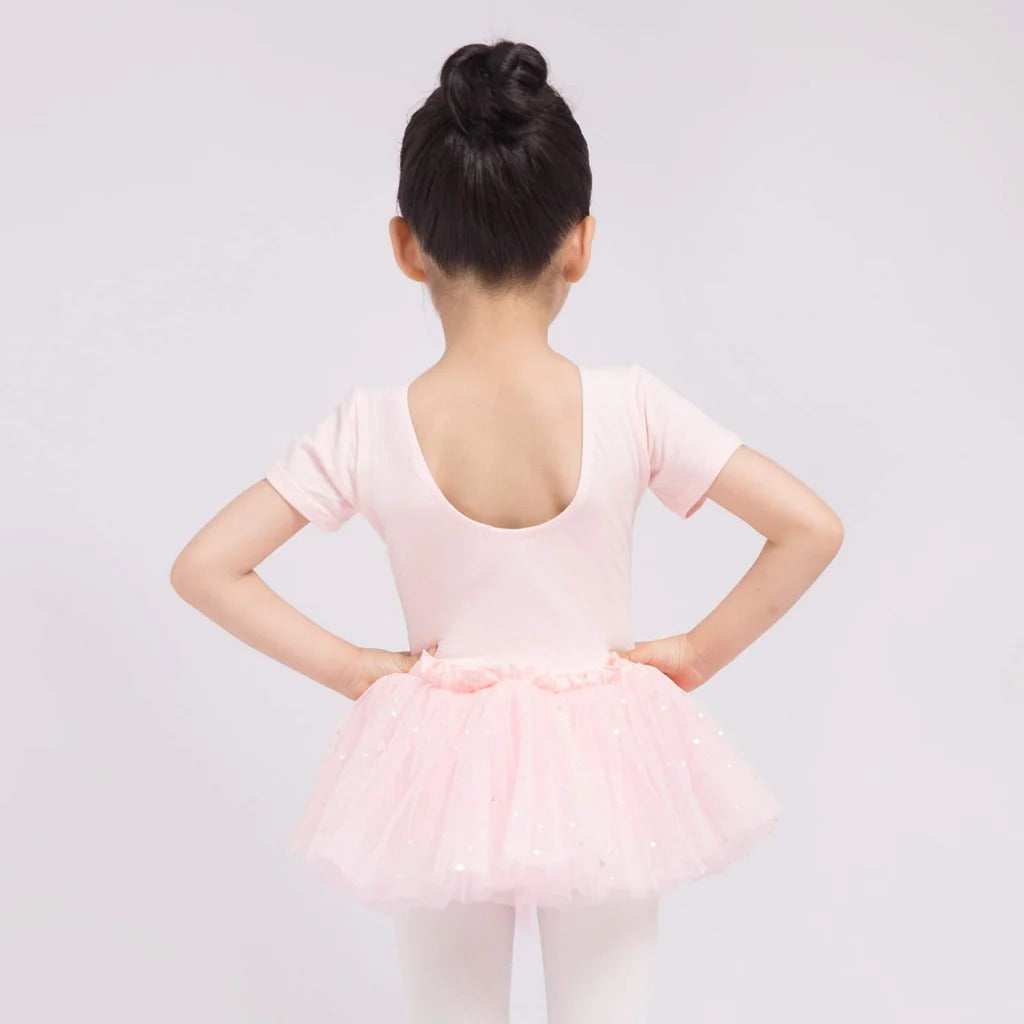
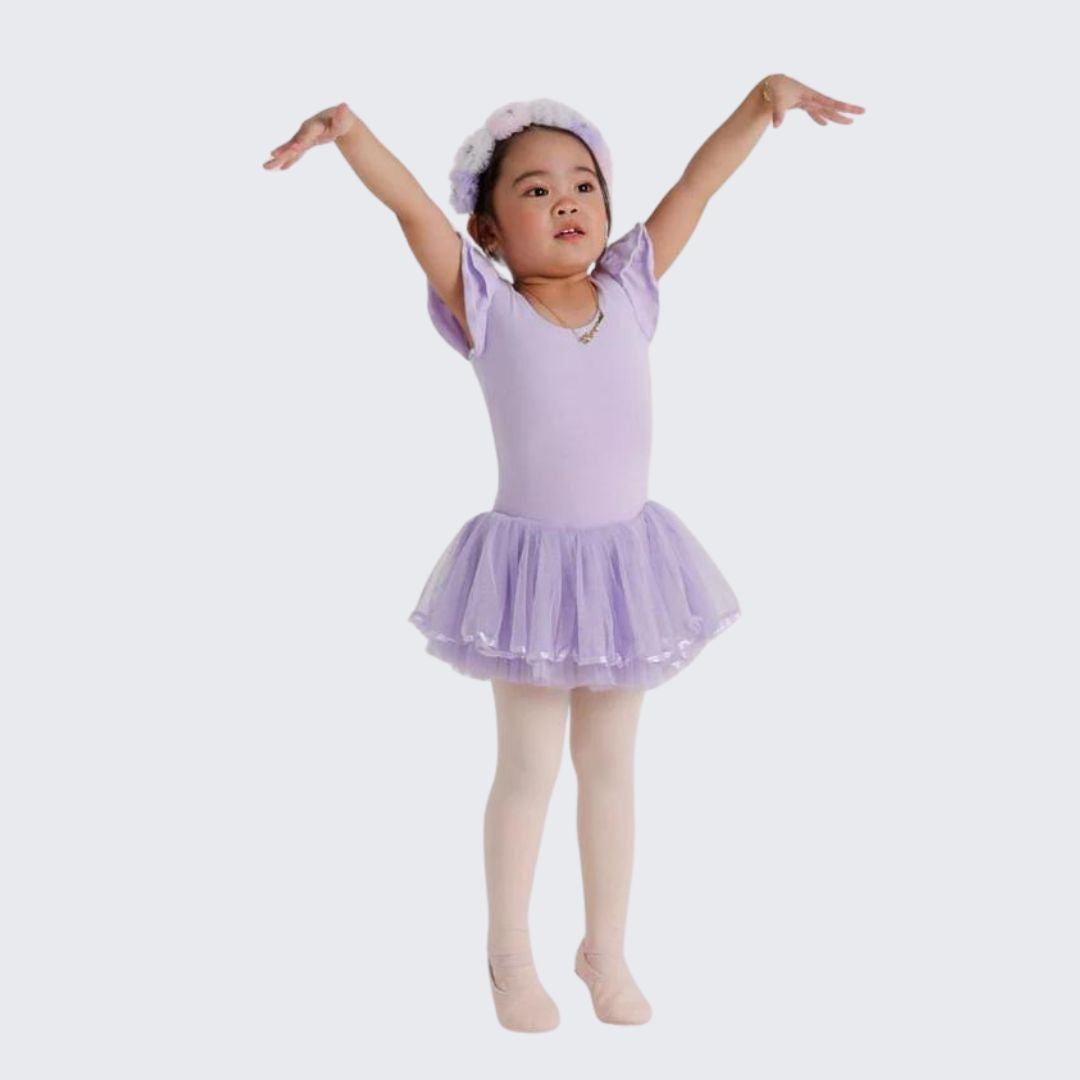
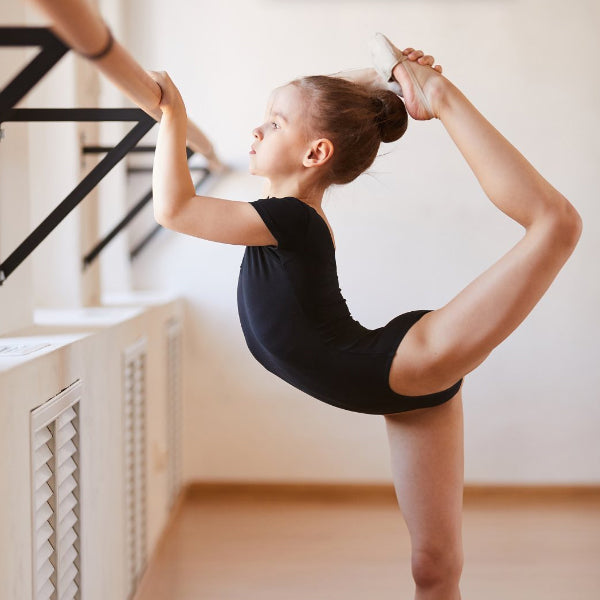
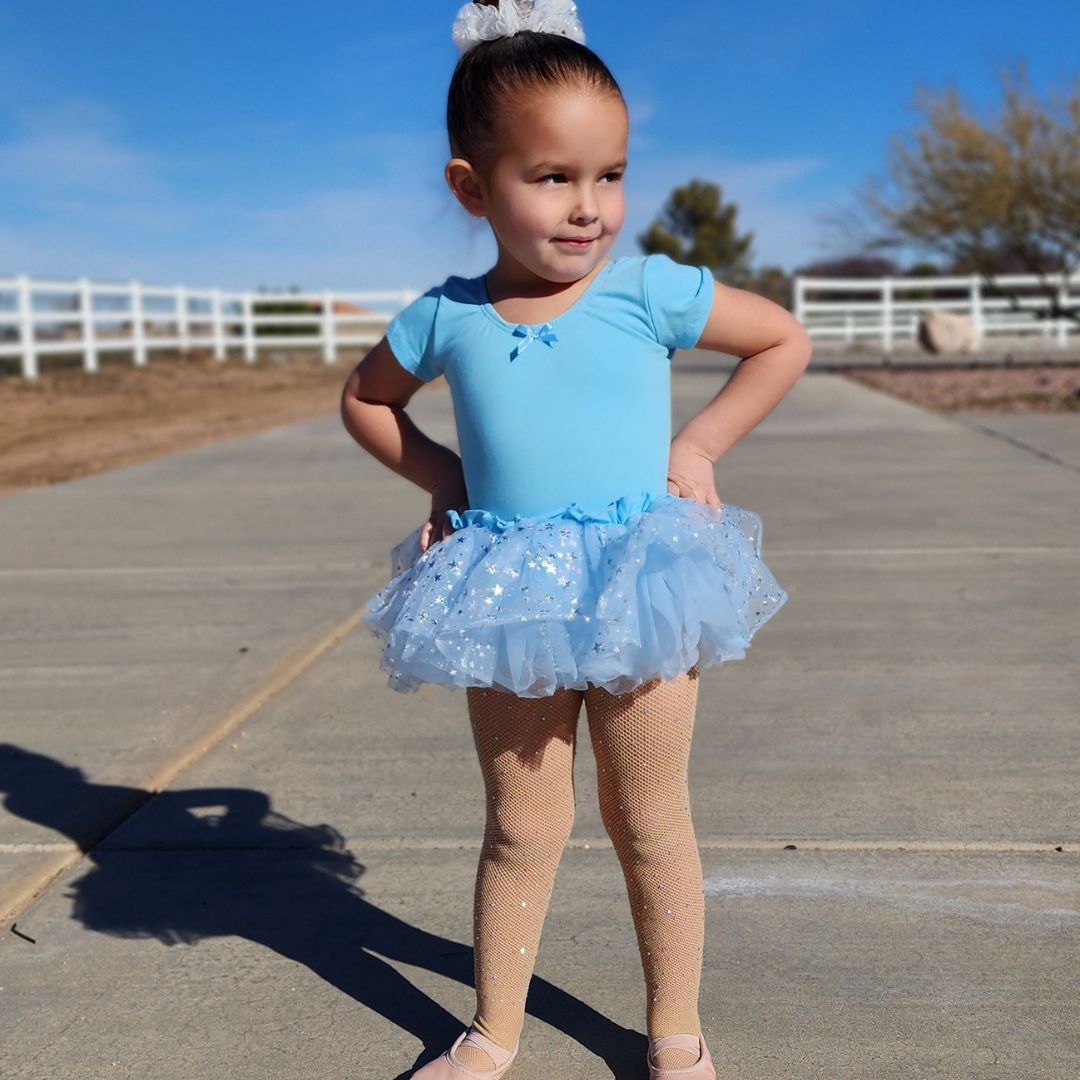


As a mother who’s watched countless little ones find their confidence, whether on the dance floor or with a pencil in hand, I know how much joy and growth comes with those early steps. When your little one first expresses an interest in ballet, it’s a magical moment! You want to support that spark with the best possible gear, and choosing the right ballet shoes is a key part of that journey. It can feel a bit overwhelming, though, with terms like "full sole" and "split sole" flying around. I'm here to help clear things up, focusing on what truly matters for those precious tiny feet just starting their ballet adventure. Understanding the basic construction of ballet shoes can make all the difference in supporting their development and making their first dance experiences comfortable and joyful.
The main question many parents ask is about the sole of the shoe. Specifically, the difference between split sole and full sole ballet shoes for toddlers. This isn't just about fancy terminology; it directly impacts how the shoe supports your child's developing foot. For very young dancers, typically between the ages of 2 and 5, the type of sole is especially important for building a healthy foundation. Let’s dive into what makes a full sole shoe the perfect starting point for most toddlers. For parents looking for the perfect attire to complement these shoes, exploring Dancina's little girls dresses can help complete the look.
What Is a Full Sole Ballet Shoe? (And Why It Matters for Tiny Feet)
How the one-piece sole supports foot strength and stability
When we talk about a full sole ballet shoe, we’re referring to a shoe where the sole is made from a single, continuous piece of material that runs from the heel all the way to the toe. For toddlers and very young children just beginning their ballet journey, this design offers wonderful support. Think of it like a gentle hug for the entire bottom of the foot. This unbroken sole provides a stable surface that helps the little one feel secure as they stand, balance, and take their first tentative steps en pointe (or rather, on demi-pointe!). It encourages them to use their feet and ankles more actively, which is so important for developing strength and proper muscle alignment. Dance educators often recommend full soles for beginners because they help build the necessary intrinsic foot muscles that will be essential for more advanced movements later on. This foundational support is precisely why 9 out of 10 ballet teachers recommend full sole shoes for beginners, according to a Dance Parent 101 survey. For the best start, consider a quality pair of full sole ballet shoes.
This type of construction is particularly beneficial for young children whose feet are still growing and developing. The consistent support helps prevent the foot from collapsing in unnatural ways, offering a predictable surface for learning basic positions and movements. It’s not about restricting movement, but rather about providing a stable base from which the child can learn to control their own body. This helps foster confidence and reduces the chance of fatigue or discomfort during class. When you see the little one’s foot planted firmly, you know they're building good habits from the very start.
The feel underfoot: cushioning and grip for first pliés
The feel of a full sole shoe underfoot is one of gentle, consistent support. Unlike split soles, which have a gap in the middle, a full sole offers a smooth, unbroken surface. This can make the experience of bending the knees for a plié feel more grounded and secure for a young dancer. The material, often leather or canvas, provides a good amount of grip on the dance floor, helping prevent slips and slides as the little one navigates their first steps and turns. This reliable traction is a small detail that makes a big difference in a child’s confidence and enjoyment during class. It allows them to focus on learning the steps and listening to their teacher, rather than worrying about their footing.
For a toddler, comfort is absolutely key to engagement. A well-fitting full sole shoe offers just enough cushioning without being bulky, allowing them to feel the floor beneath them while still being protected. This tactile feedback is important for proprioception. The body's awareness of its position in space. When choosing shoes, remember that a properly fitted ballet shoe should allow about a thumb's width of space at the toe for growth, as advised by Bloch sizing guides. Investing in a quality pair of full sole ballet shoes, like those found within Dancina's Little Girls Shoes collection, ensures that your little dancer has the comfort and support they need to truly fall in love with ballet.
What Is a Split Sole Ballet Shoe? (The Flexible Choice for Older Dancers)

How the two-piece design reveals the arch and allows better pointing
Now, let's talk about split sole ballet shoes. As the name suggests, these shoes feature a sole that is divided into two main parts: one section under the ball of the foot and another under the heel, with a distinct gap in the arch area. This design is specifically crafted to allow the dancer to articulate their foot more fully. When a dancer points their foot in split sole shoes, the arch is clearly visible, and the shoe bends with the natural line of the foot. This flexibility is wonderful for dancers who have developed sufficient foot and ankle strength and are working on achieving a beautiful, high arch and precise foot articulation. It allows for greater freedom of movement and can help dancers achieve a more aesthetically pleasing line when pointing their toes.
The split sole design is often favored by more experienced dancers because it allows them to feel the floor more directly and work on the nuances of foot placement and control. The visible arch also contributes to the classic ballet aesthetic that teachers often look for in older students. It’s a shoe that emphasizes the dancer’s own foot strength and shape rather than providing the structural support of a full sole. For a toddler, however, this level of flexibility can mean less support than their developing feet need.
Why split soles are rarely recommended before age 5 or 6
This is a really important point for parents of young dancers. While split sole shoes offer incredible flexibility and showcase the arch beautifully, they are generally not recommended for toddlers or very young children, typically before the age of 5 or 6. At this young age, a child’s foot muscles are still developing, and their arches are forming. A full sole shoe provides the necessary stability and support to help build these muscles correctly. Wearing split soles too early, before the foot has developed adequate strength, can actually hinder proper muscle development and potentially lead to injuries or the formation of weaker arches. Most dance educators agree that focusing on building a strong foundation with full sole shoes is the best approach for children under five.
The primary reason split soles are reserved for older dancers is that they require a certain level of muscular control and strength in the foot and ankle to be used effectively and safely. A toddler’s body is still learning to coordinate movements, and their muscles are not yet ready to provide the necessary support that a full sole shoe offers. While the difference between split sole and full sole ballet shoes for toddlers might seem minor, it has significant implications for their physical development and early dance training. Choosing the right shoe ensures you’re supporting their growth, not hindering it.

Full Sole vs. Split Sole: The Side-by-Side Comparison Parents Need
As you navigate the exciting world of toddler ballet, choosing the right shoes is a thoughtful step. The primary question many parents ponder is the difference between split sole and full sole ballet shoes for toddlers. It’s more than just a technical distinction; it’s about supporting your little one’s developing feet and their very first experiences in dance class. Understanding these differences will help you make an informed choice that fosters confidence and healthy growth. Let's break down what each type offers, keeping those precious little feet in mind. For a complete dance ensemble, consider a charming ballerina outfit set.
Support, stability, and foot development
For the youngest dancers, the foundation of their ballet journey should be built on stability and support. Full sole ballet shoes excel here. Their single, unbroken sole provides a consistent surface that helps stabilize the ankle and the entire foot. This is incredibly important for toddlers whose bones, muscles, and arches are still forming. Dance educators frequently point out that this type of shoe encourages the development of intrinsic foot muscles because the child must actively engage their own foot strength to move, rather than relying on the shoe's flexibility. According to a Dance Parent 101 survey, an impressive 9 out of 10 ballet teachers recommend full sole shoes for beginners, highlighting their importance for healthy foot development in young children. This consistent support helps build the necessary strength and control for future dance endeavors.
Conversely, split sole shoes, with their divided sole, offer much less inherent support. While this flexibility is beneficial for older, stronger dancers, it can mean that a toddler’s foot has to work much harder just to stay stable. This can be tiring for little legs and might not provide the optimal environment for building the foundational strength needed in the early years of ballet. The lack of a continuous sole means the shoe bends easily, but without the solid base that helps guide proper foot alignment and muscle engagement for very young dancers.
Flexibility and arch visibility
The flexibility of a ballet shoe is often discussed in terms of how well it allows the dancer to point their foot. Split sole shoes are designed with two separate sole pieces. One under the ball of the foot and one under the heel. With a gap in the arch area. This construction allows the shoe to bend dramatically with the foot, showcasing the arch and enabling a very clean, sharp point. This is ideal for dancers who have developed the strength and muscle control to achieve a beautiful, high arch independently. The split sole design allows the dancer's own foot line to be clearly visible, which is a key aesthetic in ballet for more advanced students.
Full sole shoes, on the other hand, offer a more uniform flexibility that bends across the entire sole. While they don't allow for the extreme arch articulation seen in split soles, they provide a smooth, consistent feel underfoot. For a toddler, this means they can still practice bending their knees for pliés and feel the floor beneath them, but with the added benefit of a stable base. The focus at this stage is on learning basic movements and developing coordination, not on achieving a perfectly sculpted arch. The full sole supports this developmental phase by providing a predictable and comfortable experience.
Best age and skill level for each type
When considering the best fit for your little one, age and developmental stage are key. Full sole ballet shoes are almost universally recommended for beginners, especially toddlers and children aged 2 through 5. This is because their feet and ankles are still developing the strength and control necessary for more advanced footwear. The full sole provides the essential support and stability that aids in building a strong foundation, helping them to balance, stand, and move with confidence. It's the perfect choice for those initial classes where the focus is on learning basic positions and rhythm. For guidance on choosing the right dancewear, check out our blog post on how to choose the best ballet clothes.
Split sole ballet shoes are typically introduced when a child is older, usually around age 5 or 6, and has progressed in their ballet training. By this age, children generally possess stronger foot and ankle muscles, and their arches have begun to form more distinctly. The flexibility of the split sole allows them to refine their pointing technique, work on articulation, and achieve the refined aesthetic required in intermediate and advanced classes. While split soles are wonderful for experienced dancers, they are generally not the best choice for the foundational stages of ballet training for very young children. For parents looking for quality dancewear designed with young dancers in mind, Dancina's Little Girls Shoes collection offers excellent options for both full sole and, when the time is right, split sole styles.
When Should Your Toddler Switch from Full Sole to Split Sole? (A Gentle Timeline)
It's natural for parents to wonder about the right time for their little dancer to transition from full sole to split sole ballet shoes. While age is a factor, it’s more about your child’s readiness and physical development. Think of it as a journey, not a race. The goal is always to support their growth and enjoyment of dance, ensuring they have the right tools for each stage of their learning. Making the switch too soon can sometimes hinder progress, while waiting too long might limit their ability to execute certain movements as they advance.
Signs your child might be ready: teacher feedback, foot control, and age
The most reliable indicator that it might be time to consider split sole shoes is guidance from your child’s ballet teacher. They see your little one’s feet, strength, and technique week after week and can offer expert advice. Look for signs that your child has developed strong, controlled foot movements and can maintain a stable, pointed foot without their arch collapsing. If they are consistently able to hold a strong demi-pointe and their feet look and feel ready to articulate further, it might be time to discuss the transition. Generally, children around age 5 or 6, who have been dancing consistently and show good foot strength, are candidates for split soles. However, every child develops at their own pace. For those just starting out, remember that dance for beginners is all about building that foundational joy and strength.
Consider also how your child’s feet feel. If they are no longer experiencing fatigue in their feet during class, and their instructor notes that their foot flexibility and control are improving significantly, these are positive signs. Remember, the primary purpose of full soles for toddlers is to build that essential strength. Once that foundation is solid, split soles can help them refine their technique and achieve those beautiful, clean lines that are characteristic of ballet. It's a gradual process, and celebrating each step of progress is what matters most.
How to talk to the little one's teacher about the transition
Open communication with your child’s ballet teacher is invaluable. When you feel your little dancer might be ready for a change, don't hesitate to ask for their professional opinion. You can approach them by saying something like, "We've noticed [child's name] really loves ballet, and we're wondering about the next steps in her footwear. Would you say she's developing the kind of foot strength and control that might benefit from trying split sole shoes soon, or do you feel full soles are still best for her at this stage?" Teachers often have specific criteria they look for, such as the ability to hold a stable pointed foot, the development of the arch, and overall ankle strength. They can also advise on when to start looking for new shoes, often recommending waiting until a growth spurt has settled or just before a new term begins.
Your teacher can also guide you on the specific type of split sole shoe that might be suitable, considering factors like material (leather vs. canvas) and fit. They understand the delicate balance between providing enough support and allowing for the articulation needed at higher levels. This collaborative approach ensures that the decision is made with the child's best interests and development at heart, rather than simply following a trend or an arbitrary age guideline.
What to expect: sizing up and the first pair of split soles
When it’s time for that first pair of split sole shoes, expect a potentially different fitting experience. While the general rule of thumb for ballet shoes is to have about a thumb's width of space at the toe for growth, split soles can sometimes feel snugger due to their design that hugs the foot more closely. Leather shoes, whether full or split sole, tend to stretch up to half a size with wear, so finding a pair that fits well from the start is important. Canvas shoes, on the other hand, do not stretch significantly. Your teacher can provide specific guidance on how a properly fitted pair should feel.
Children typically outgrow ballet shoes every 3-6 months during growth spurts, which means you might find yourself purchasing new shoes more often than you think. This is normal, especially for active young dancers. When you purchase that first pair of split soles, you might notice your child’s foot looks more defined, and they might feel a greater connection to the floor. It’s a milestone! For toddlers just starting, it’s always best to begin with supportive full sole shoes, and Dancina's Little Girls Shoes offers a wonderful selection to ensure their initial steps in ballet are comfortable and secure.
Making the Transition: A Quick Guide
The decision to switch from full sole to split sole ballet shoes for your child is best made with guidance from their ballet teacher. Generally, this transition occurs when a child is around 5-6 years old, has demonstrated consistent foot and ankle strength, and can maintain a stable, controlled point. Always prioritize your child's comfort, development, and the recommendations of their instructor.
3 Common Myths About Toddler Ballet Shoes That Confuse Parents

When you are searching for the perfect first ballet shoes for your little one, you will hear plenty of advice from well meaning friends, online forums, and even other parents at the studio. Some of that guidance is wonderful. Some of it, however, is based on misunderstandings about what tiny feet truly need. Over the years, I have seen how these misconceptions can create unnecessary worry or even lead to choices that do not serve a young dancer well. Let me clear up three of the most persistent myths so you can feel confident in your decision.
Myth #1: Split soles mean better technique, even for beginners
This may be the most common misunderstanding I encounter. Many parents hear that split sole shoes allow a dancer to show a beautiful arch and assume that starting with split soles will give their toddler a head start on technique. The truth is quite different. For a child whose foot muscles are still developing, a split sole offers too much flexibility and too little support. A full sole shoe provides the stable foundation that helps a beginner learn correct alignment and build the intrinsic strength needed for good technique later on. Dance educators consistently affirm that full soles are the right choice for young beginners, and understanding this difference between split sole and full sole ballet shoes for toddlers is essential for supporting healthy development.
Myth #2: Full soles are only for the very first class
Some parents believe that full sole ballet shoes are just a temporary starter shoe, something to use for a few weeks before moving on to the "real" split sole shoe. This is not accurate. Many young dancers wear full soles happily and beneficially for several years, particularly if they begin ballet between ages 3 and 5. The full sole continues to offer valuable support as the child's feet grow stronger and more coordinated. The transition to split soles should be guided by the teacher's assessment of foot strength and control, not by a predetermined timeline or a sense that full soles are somehow inferior. A quality full sole shoe from a trusted source like our Little Girls Shoes collection remains an excellent choice until your child's teacher indicates otherwise.
Myth #3: Leather is always better than canvas for every toddler
Leather ballet shoes are often praised for their durability and ability to mold to the foot over time. They can stretch up to half a size with wear, which can be helpful for achieving a custom fit. Canvas shoes, on the other hand, are lighter, more breathable, and do not stretch significantly. Neither material is inherently superior for every toddler. The best choice depends on your child's foot shape, the studio environment, and personal preference. Canvas can be wonderful for warmer months or for children whose feet tend to get hot. Leather offers a classic feel and can last well if cared for properly. What matters most is a proper fit and the correct sole type for the child's stage of development. Our Little Girls Shoes collection includes both materials so you can choose what suits your little dancer best.
Dispelling these myths helps you make a choice rooted in what truly supports your child's growth and joy in dance. When you know the facts, you can shop with confidence, knowing that the difference between split sole and full sole ballet shoes for toddlers is about developmental readiness, not about which shoe looks more advanced. Trust your teacher's guidance, trust your own instincts as a parent, and know that every pair of shoes you choose with care is a step toward nurturing your little one's passion for ballet. For more inspiration on dancewear, explore our blog post on dance for beginners.
