
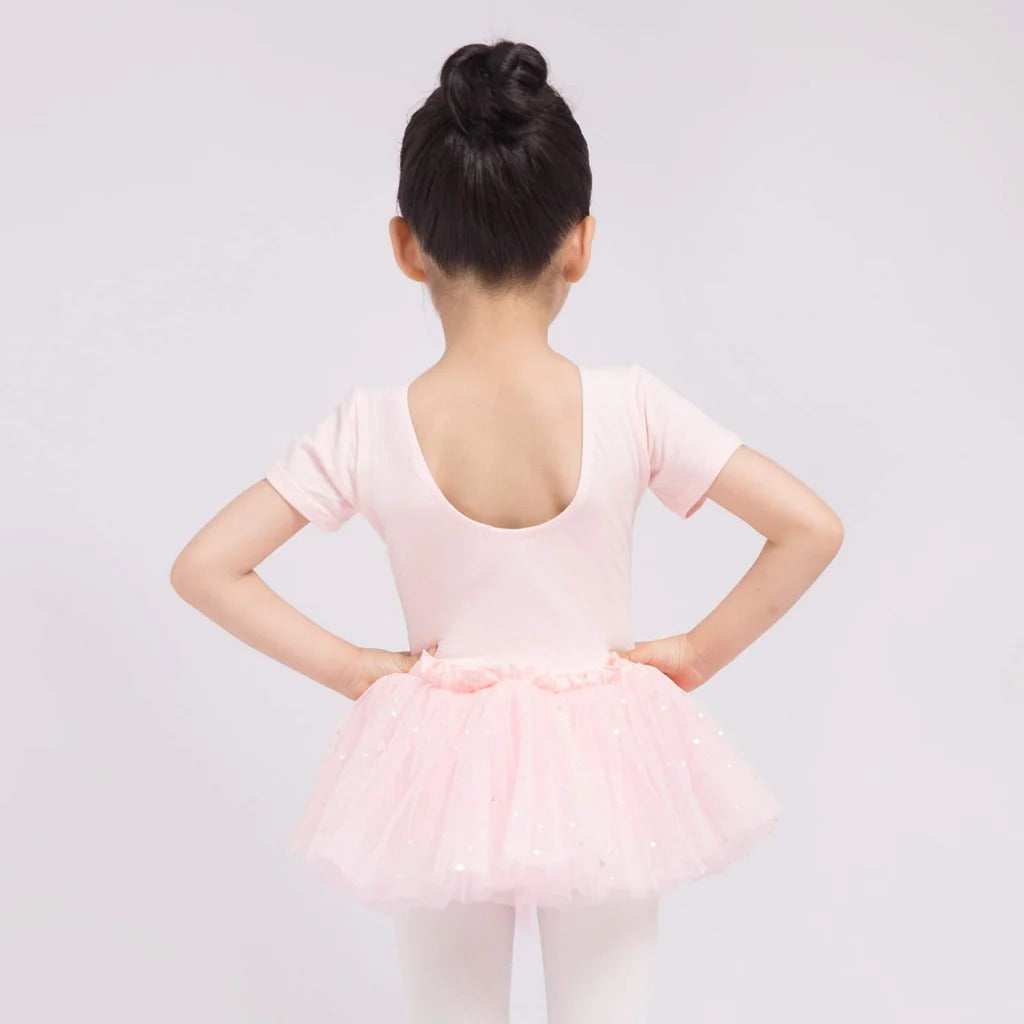
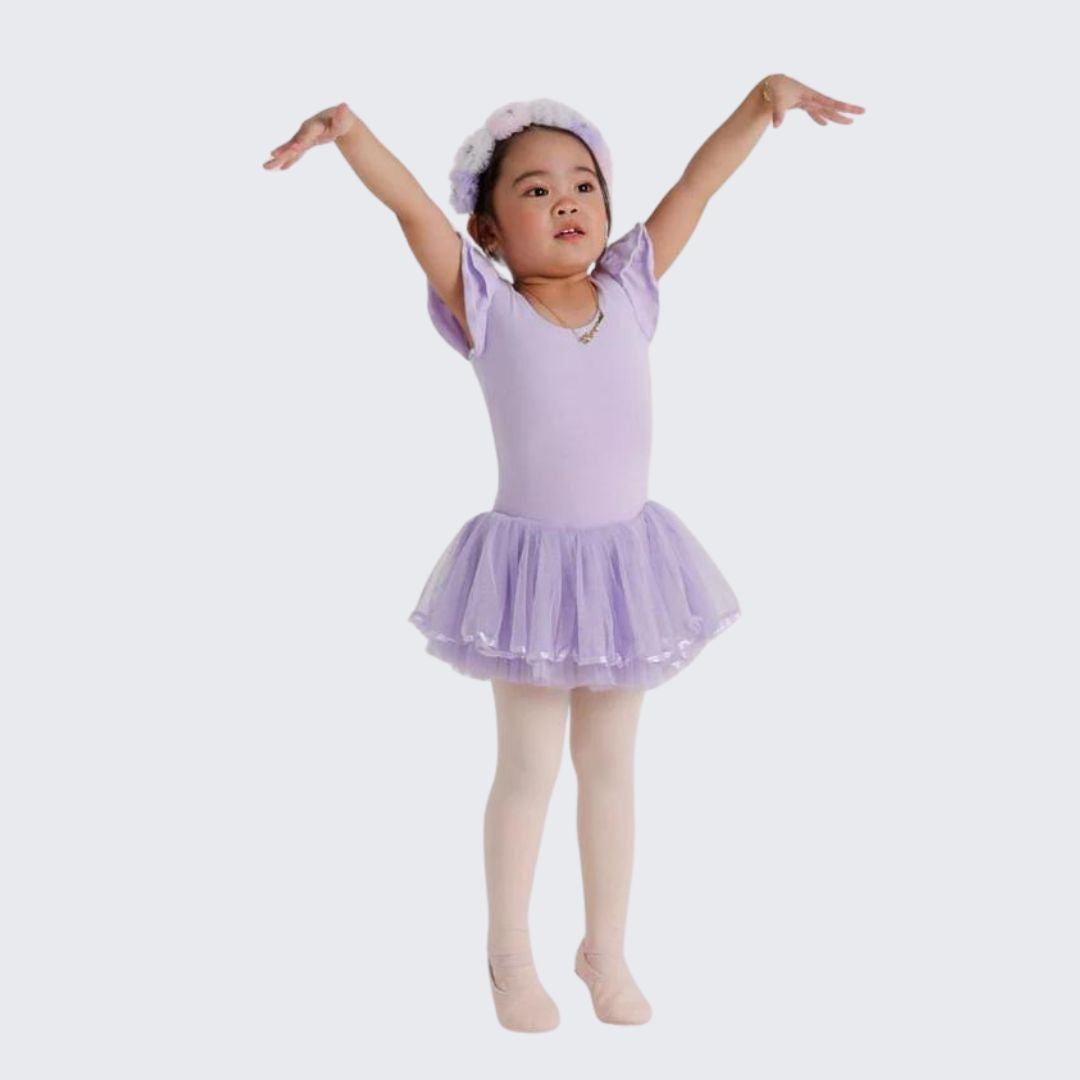
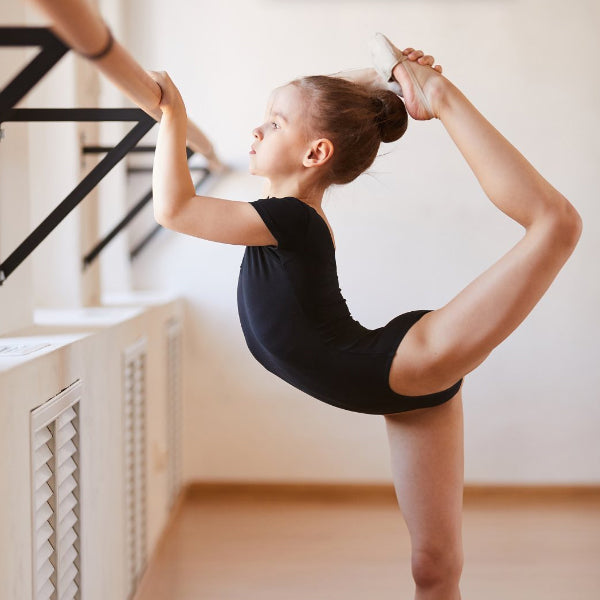
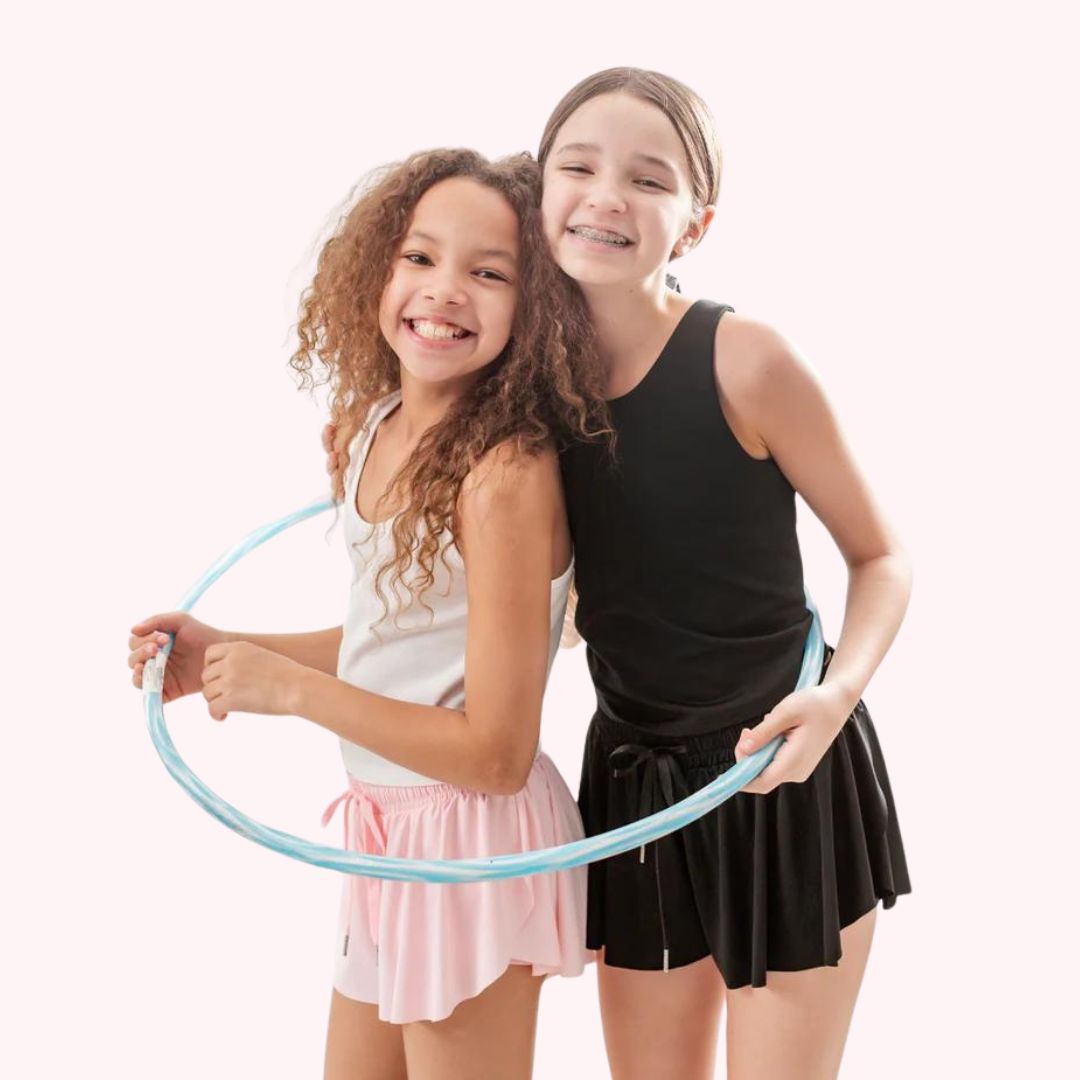

best leotard for a 12 year old beginner ballerina
Finding the best leotard for a 12 year old beginner ballerina starts with fit, comfort, and the studio’s dress code. At this age, your little one may fall between children’s and adult sizing while wanting clothing that feels modest and grown-up. A thoughtful choice can help your little one focus on first positions, simple barre work, and classroom manners instead of adjusting straps or worrying about appearance.
Key Takeaways
- Look for a leotard with adjustable straps so your dancer can get a custom fit as she grows.
- Choose a simple style that meets the studio dress code and lets her focus on learning, not on her outfit.
- Consider a leotard with a modest neckline and full front lining for comfort and confidence at this age.
- Check the size chart carefully because many 12 year olds need a size between children’s and adult ranges.
- Pick a fabric that breathes and moves with her, like cotton spandex, so she stays comfortable during class.
I am Andrea Schiffer, founder of Dancina, and I recommend checking the studio requirements before purchasing. Ask whether a specific color, neckline, sleeve length, or back style is expected. A plain, well-fitting leotard is usually a sensible first choice. It should stay in place during pliés and stretches, allow easy movement through the shoulders and hips, and feel secure without squeezing.
Choosing Your First Ballet Leotard: A Guide for 12-Year-Old Beginners
For many 12-year-old beginners, the right starting point is a simple leotard with a comfortable neckline, secure straps, and a fully lined front. Choose based on torso girth and the studio dress code rather than age alone. A child XL or an adult XS may fit, yet the size label cannot make that decision for you. The leotard should lie smoothly against the body, stay covered during movement, and leave enough room for breathing and growing.
Fabric affects the experience, too. Nylon-spandex blends often provide stretch and shape retention, while moisture-wicking fabric can feel useful during a warm class. Soft straps should remain flat against the shoulders. A higher back or wider shoulder design may feel more secure than very thin straps. If your little one feels self-conscious, a classic solid color and modest cut can look polished without seeming too young.
Start with one or two leotards for a weekly class, then see what your little one prefers. Prompt laundering may be enough at the beginning, helping you avoid buying a full wardrobe before your family knows whether ballet will become a steady activity. A first leotard should support comfort and participation without adding extra fuss.
Sizing Smart: Bridging Child and Adult Leotard Charts

Many 12-year-olds sit between Girls 12/14, often listed as child XL, and adult XS or small. Torso girth usually gives a better guide than height because a leotard must stretch from the shoulder, through the body, and into the leg opening. Dancewear fitting guidance from Bloch also emphasizes consulting the garment’s own measurements, since sizing can differ across collections.
Step-by-Step Measuring Guide
- Measure torso girth: Place the tape at the top of one shoulder, run it down the front, through the legs, and up the back to the starting point. Keep the tape close without pulling.
- Measure chest, waist, and hips: Record each measurement while your little one stands naturally. Do not make the tape tight.
- Read the exact size chart: Match the measurements to the chart for that leotard. Do not assume that child XL equals adult XS.
- Check the return policy: Online shoppers should confirm whether unworn dancewear may be returned, especially when choosing between two nearby sizes.
The fit should be snug but not restrictive. Shoulder straps should remain in place, leg openings should not dig in, and fabric should not pull sharply across the torso. If the neckline gaps, the back rides upward, or your little one cannot move the arms freely, try another size or cut. A larger size is not always better, since excess fabric can shift during class. Recheck measurements as your little one grows, and follow the manufacturer’s chart each time.
Modesty, Support, and Studio Etiquette: What Beginners Need to Know
For a 12-year-old beginner, modesty can matter just as much as movement. Your little one may feel more comfortable in a fully lined front, a higher neckline, or wider straps that stay flat on the shoulders. A built-in shelf bra can offer light coverage for a developing dancer, while a supportive training bra may be suitable if the studio permits it and the leotard has enough room. Choose the option that feels secure during pliés, stretches, and arm movements. The best leotard for a 12 year old beginner ballerina should help your little one participate without frequent adjusting or concern about coverage.
Underwear rules vary, so the studio teacher should have the final word. Many dancers wear a leotard without regular underwear because visible edges can show during movement. If underwear is allowed or needed for comfort, select a smooth, close-fitting style in a color that does not show through the fabric. A bra or training bra should lie flat and should not create straps or bands that distract from the clean line of the leotard. Tights are commonly worn under the leotard for a traditional ballet uniform, though some studios request tights over the leotard. Ask before the first class rather than guessing.
Studio etiquette usually begins with the dress code. A teacher may request a plain black leotard for older beginners, pink or skin-tone tights, and ballet slippers. Black can feel polished and less childish for a self-conscious preteen, while a simple tank, short-sleeve, or capped-sleeve cut keeps the outfit practical. Avoid decorative skirts, loose layers, large bows, or bright prints unless the teacher approves them. Secure hair away from the face, label belongings, and arrive ready to listen. These habits help your little one feel prepared while the class stays focused.
Common First-Class Questions
- Should a beginner wear a sports bra? A sports bra may be too bulky for ballet. A low-profile training bra or shelf lining is often more suitable, subject to the studio’s rules.
- Are tights worn under or over the leotard? Under the leotard is common in traditional classes, but the written dress code takes priority.
- How many leotards are needed? One or two can be enough for a weekly class when each garment is washed promptly. This lets your family learn your little one’s preferences before buying more.
- What style suits a self-conscious preteen? A plain color, full front lining, secure straps, and a modest neckline usually feel more grown-up and dependable.
Building Your Beginner Ballet Toolkit: Essential Learning Resources
The best leotard for a 12 year old beginner ballerina is only one part of feeling ready for class. Learning also grows through small, steady habits at home. I encourage families to keep practice simple. Reviewing ballet vocabulary, listening carefully to instructions, or strengthening hand control can support your little one’s independence. These activities do not replace studio teaching; they give your little one another way to remember, organize, and express new information.
Handwriting practice can be useful. Ballet asks dancers to notice direction, spacing, posture, and sequence. Writing letters and words gives your little one a way to work on pencil grip, hand coordination, visual tracking, and patience. These skills do not make anyone dance perfectly. They build fine motor control that supports everyday learning, from tying shoes to recording new ballet terms in a notebook.
The Dancina Learning collection is designed for educational practice at home. Individual lowercase and uppercase cursive letter practice sheets can help your little one review letter formation one step at a time. Printable 3-line practice paper provides writing space for copying a ballet word, writing a class reminder, or making a short list of goals. Keep the activity brief and stop while your little one still feels interested.
Choose learning materials that match your little one’s current stage. If writing several lines feels tiring, begin with one letter or one ballet word. If your little one enjoys organization, a notebook can hold terms such as plié, tendu, turnout, balance, and rhythm. You can also invite your little one to draw a simple foot position or label the parts of a ballet slipper. The goal is regular practice, not perfect pages.
As classes become more familiar, update the toolkit gently. Add a calendar for class dates, a water bottle reminder, or a short reflection after practice. These routines help your little one prepare belongings, remember instructions, and notice progress over time. Steady learning away from the studio can support a more prepared dancer inside it.
The pictures on our blog are created using artificial intelligence to bring our learning content to life. We hope they make reading more enjoyable.
Frequently Asked Questions
What is the best leotard brand for ballet dancers?
The best leotard brand for ballet dancers is one that offers accurate measurements, comfortable fabric, and styles that meet the studio dress code. For a 12-year-old beginner, brand name matters less than a secure fit, a fully lined front, and straps that stay flat during movement. Check the brand’s size chart before ordering.
What do you wear to a beginner ballet class?
A beginner ballet class usually requires a leotard, ballet tights, and ballet slippers, with hair secured away from the face. A plain black leotard may be required for older beginners, though each studio sets its own rules. Ask the teacher whether tights go under or over the leotard and whether a training bra is permitted.
Why are Yumiko leotards so popular?
Yumiko leotards are popular because many dancers appreciate their distinctive styling, fitted cuts, and range of color and fabric choices. A Yumiko leotard may not be the right first purchase if the studio requires a plain uniform or if the fit does not match your child’s measurements. Dress code, comfort, and coverage should guide the decision.
What are some good ballet dance leotards for girls?
Good ballet dance leotards for girls include simple tank, capped-sleeve, or short-sleeve styles with a comfortable neckline and a fully lined front. For a 12-year-old beginner, wider straps and a modest back can feel secure during pliés and stretches. Choose nylon-spandex or similar flexible fabric, then follow the studio’s color requirements.
What leotards are best for beginners?
The best leotards for beginners are well-fitting, modest styles that stay in place without restricting movement. A 12-year-old beginner ballerina may prefer a plain solid color, soft straps, a higher back, and light built-in lining. Measure torso girth, chest, waist, and hips, then compare those measurements with the maker’s chart.
How should a ballet leotard fit a 12-year-old beginner?
A ballet leotard for a 12-year-old beginner should fit snugly while allowing comfortable breathing and free arm movement. The neckline should not gap, the leg openings should not dig in, and the straps should stay on the shoulders during class. Compare child XL and adult XS only through exact measurements and the garment’s return policy.
